
Fine Motor Skills Toys for 3 Year Olds: Ultimate Guide for Development
Discover the best toys that build hand strength, dexterity, and coordination through engaging play. Expert-selected toys to support your preschooler's fine motor development.
Fine motor skill toys for 3-year-olds focus on developing essential hand strength, dexterity, and hand-eye coordination through hands-on, engaging play. At this critical developmental stage, the right toys can transform playtime into valuable learning opportunities that prepare children for writing, self-care, and academic tasks.
Why Fine Motor Skills Matter at Age 3:
Three-year-olds are developing the precise muscle control needed for future skills like pencil grip, buttoning clothes, and using utensils. Targeted toys make this development natural and fun.
Top Recommended Fine Motor Skills Toys for 3 Year Olds
Our carefully curated selection of toys addresses different aspects of fine motor development, from pincer grasp to bilateral coordination.
Manipulatives & Building Toys
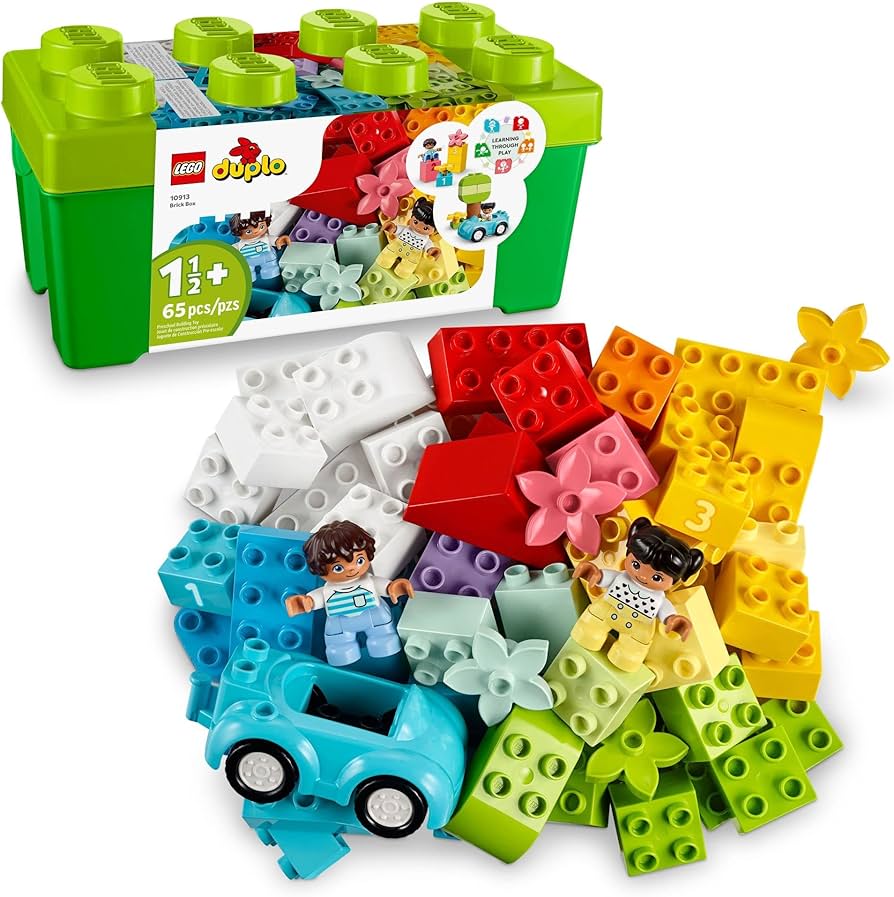
Lego Duplo Blocks
These larger building blocks are perfect for small hands. Connecting and separating the blocks strengthens finger muscles and improves hand-eye coordination. The variety of shapes and colors also introduces early math concepts.
Skills Developed:
- Hand strength and pressure control
- Pincer grasp refinement
- Spatial awareness and planning
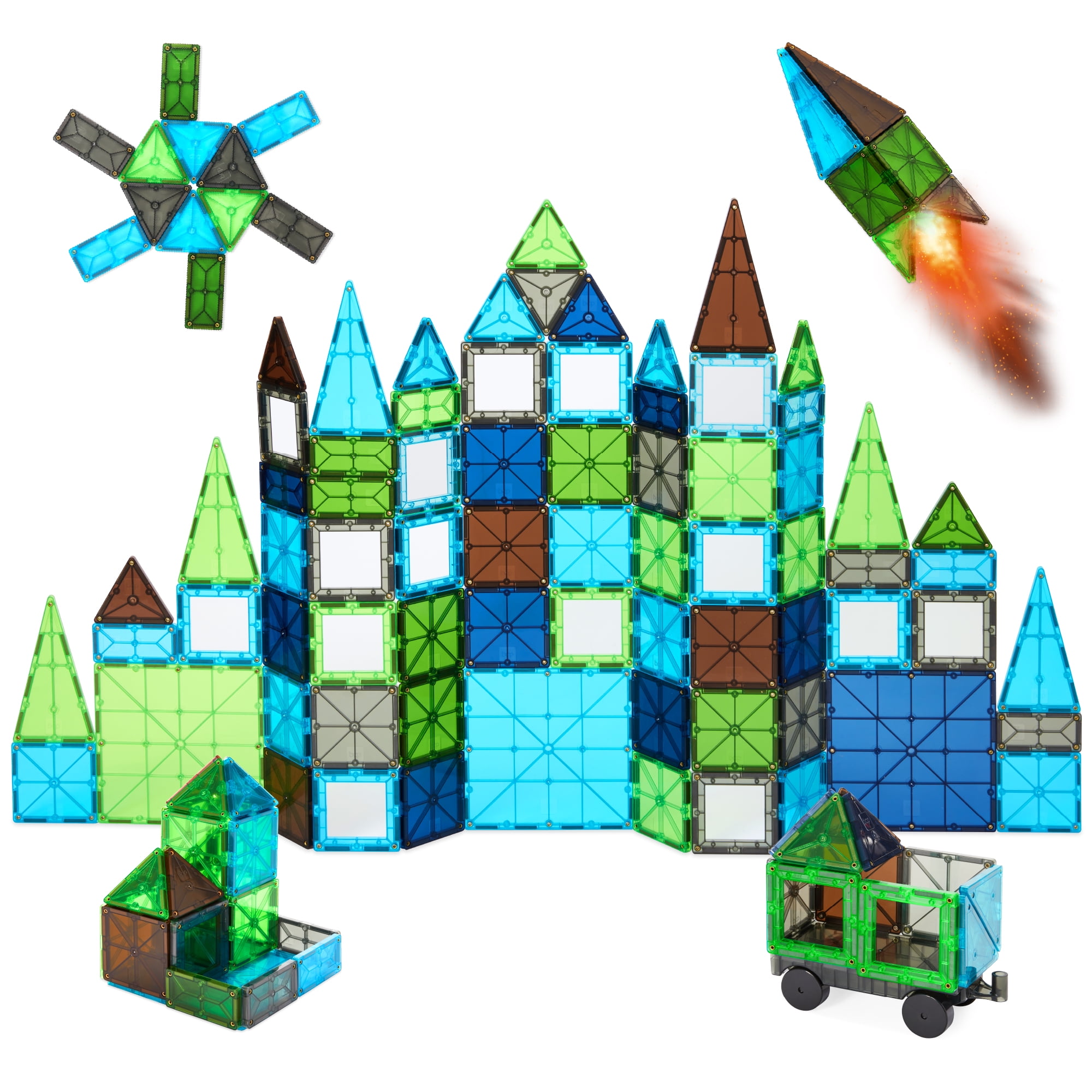
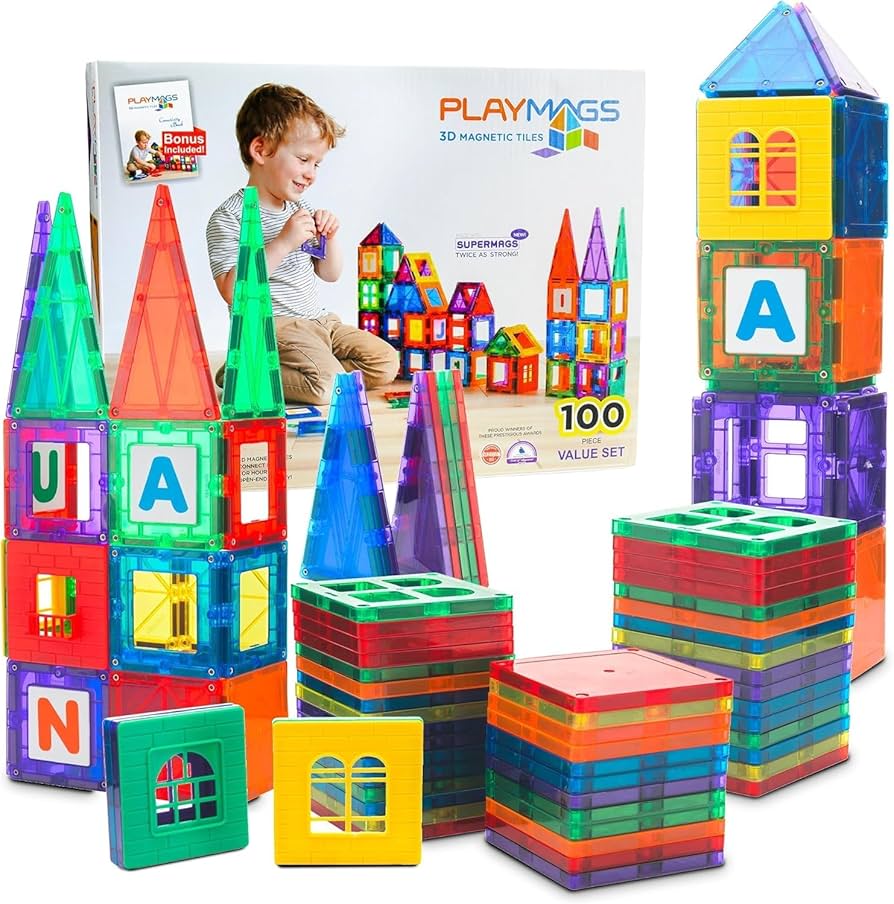
Magnetic Tiles / Magna-Tiles
These innovative building toys use magnetic edges to connect geometric shapes. Three-year-olds develop precision as they align edges and create structures. The magnetic connection provides satisfying feedback that encourages persistence.
Skills Developed:
- Bilateral coordination (using both hands together)
- Precision and alignment skills
- Creative problem solving
Threading & Lacing Toys
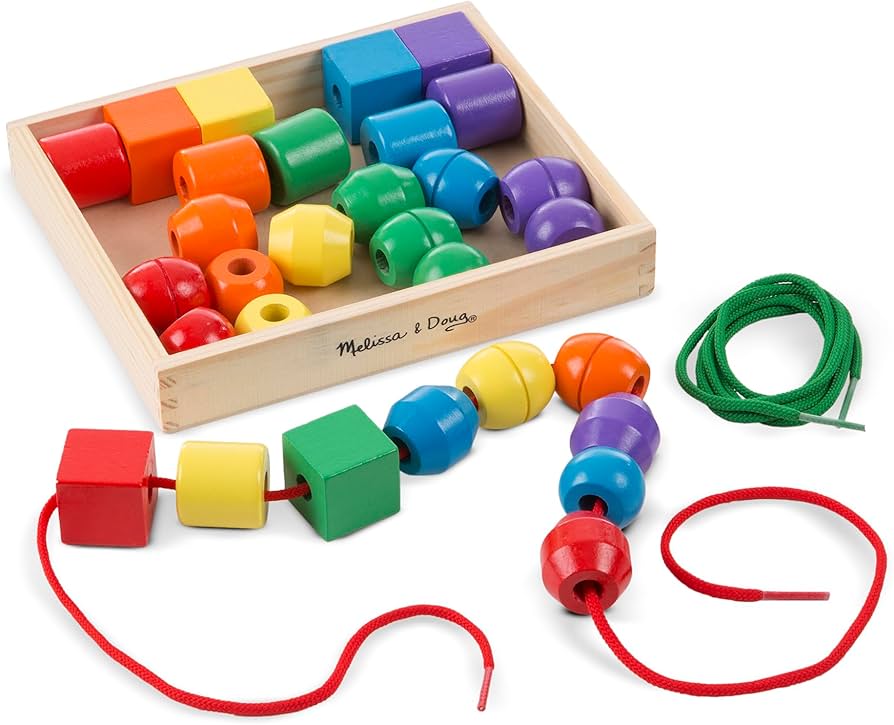
Melissa & Doug Primary Lacing Beads
This classic threading set features large wooden beads with extra-wide holes and two sturdy laces. The activity requires children to use a precise pincer grasp to hold the lace and thread it through each bead, developing essential pre-writing muscles.
Skills Developed:
- Pincer grasp refinement
- Hand-eye coordination
- Pattern recognition and sequencing
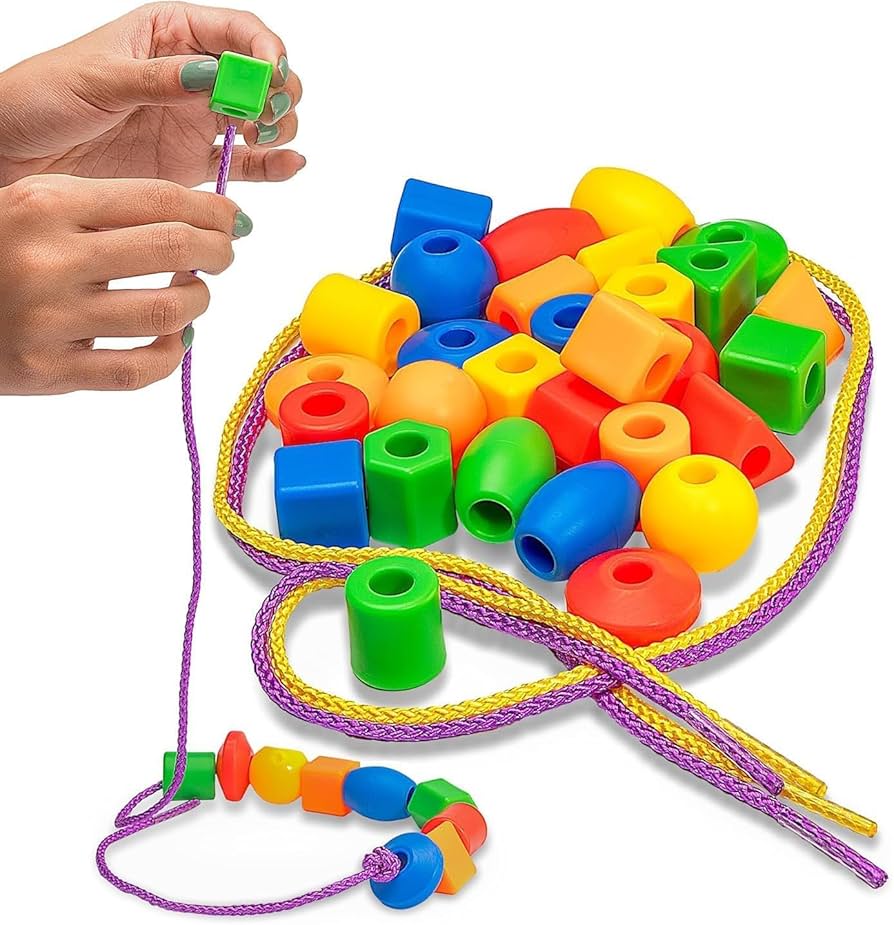
Skoolzy Lacing Sets
These themed lacing sets often include animals, fruits, or vehicles with multiple holes for creative threading patterns. The varying difficulty levels allow children to progress from simple to complex threading challenges.
Skills Developed:
- Visual tracking and focus
- Fine motor precision
- Patience and persistence
Tools & Strength Building Toys
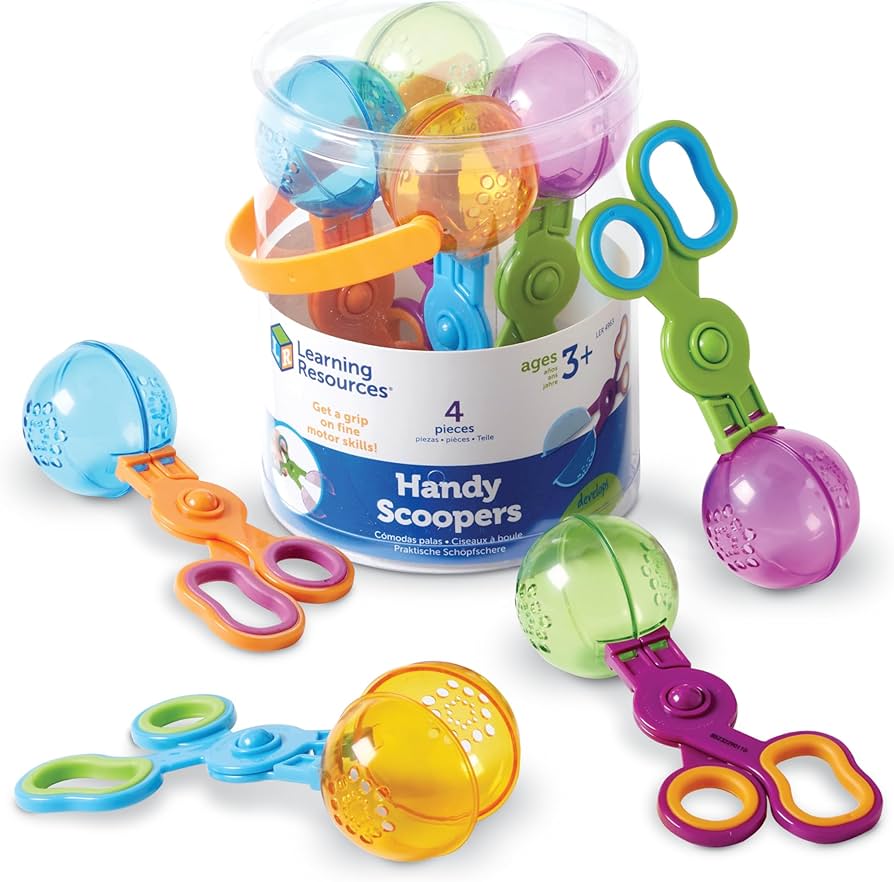
Learning Resources Handy Scoopers
These specialized tweezers are designed for small hands to pick up and transfer small objects. The squeezing action builds hand arches essential for proper pencil grip.
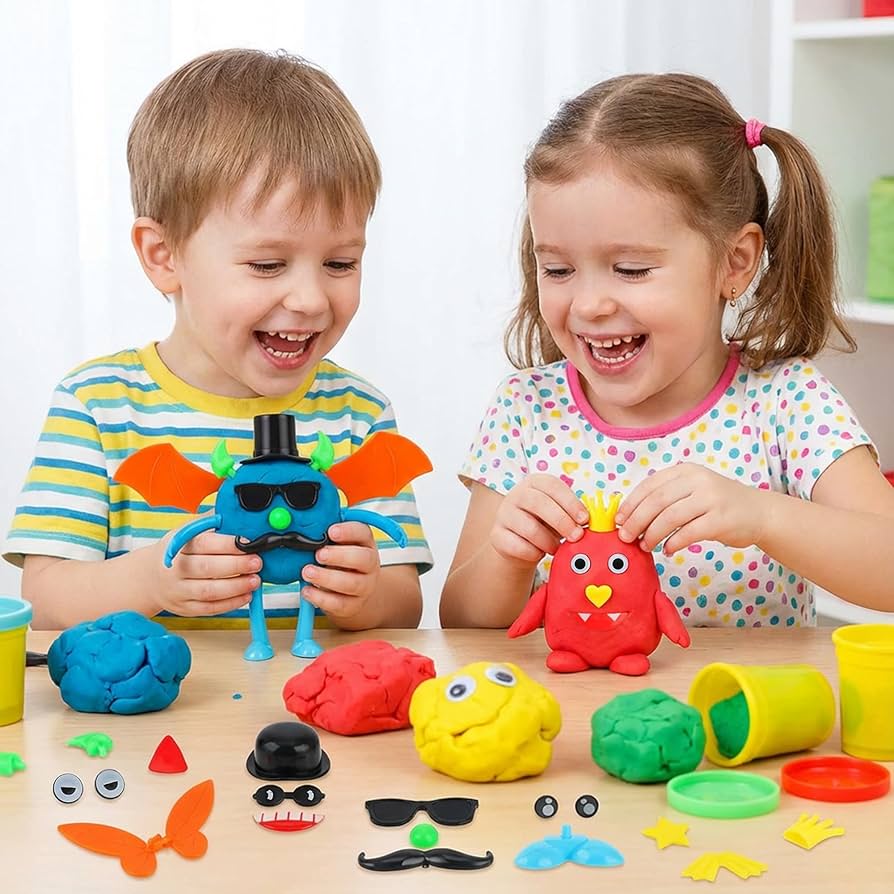
Play-Doh & Modeling Clay
The resistance of dough provides excellent hand strengthening. Rolling, pinching, and shaping develop finger isolation and palm strength.
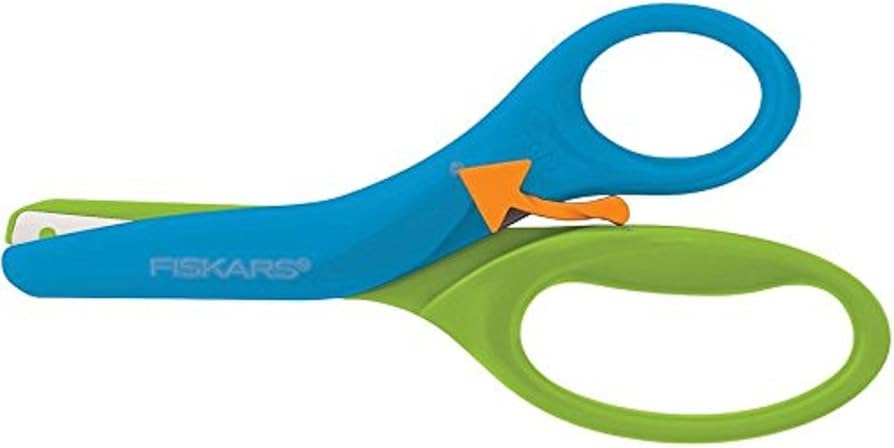
Kid-Safe Scissors
Spring-assisted scissors help children learn the opening/closing motion. Cutting along lines develops bilateral coordination and hand strength.
Watch Fine Motor Toys in Action
See how these toys engage 3-year-olds and learn pro tips for maximizing developmental benefits during playtime.
- ✓ Proper toy positioning techniques
- ✓ Progression from simple to complex tasks
- ✓ Encouraging persistence without frustration
Key Fine Motor Skills Developed by These Toys
Hand Strength
Developed through squeezing dough, using spray bottles, or connecting pop-beads. Essential for endurance in writing and daily tasks.
Best Toys:
Play-Doh, Squigz, Building Blocks
Pincer Grasp
Refined by picking up small items with tongs or placing pegs in pegboards. Critical for pencil grip and button manipulation.
Best Toys:
Lacing Beads, Pegboards, Sorting Toys
Hand-Eye Coordination
Improved through threading beads, placing puzzle pieces, or building with blocks. Connures visual input with precise hand movements.
Best Toys:
Puzzles, Magnetic Tiles, Shape Sorters
Functional Skills
Practiced using locks, zippers, and buttons on busy boards. Builds independence in dressing and self-care activities.
Best Toys:
Latches Boards, Dressing Frames, Busy Books
More Excellent Fine Motor Toys for 3 Year Olds
Functional & Sorting Toys
Melissa & Doug Latches Board
Six different latches develop wrist rotation, hand strength, and problem-solving skills while teaching real-life mechanisms.
Sorting Pie
Using tweezers to sort colorful "fruits" develops pincer grasp, categorization skills, and color recognition.
Shape Sorters
Modern shape sorters with multiple opening types challenge spatial reasoning and precise hand placement.
Art & Precision Toys
Stencils
Holding stencils steady while tracing develops bilateral coordination and controlled marking skills.
Sticker Books
Peeling and placing stickers refines pincer grasp and spatial planning on a small scale.
LCD Writing Tablets
Pressure-sensitive drawing develops graded pressure control without the mess of traditional materials.
Pro Tips for Maximizing Fine Motor Development
Toy Rotation Strategy
Rotate toys every 1-2 weeks to maintain interest and challenge developing skills. Group toys by skill type (threading, building, tool use) for focused development periods.
- • Start with easier versions of toys to build confidence
- • Gradually introduce more challenging variations
- • Combine fine motor toys with storytelling for engagement
Creating a Fine Motor-Friendly Environment
Set up a dedicated play space with proper seating and surfaces. Ensure the child's feet are supported and the table is at elbow height for optimal positioning.
- • Use non-slip mats under play surfaces
- • Store toys in accessible containers that require manipulation
- • Incorporate fine motor activities into daily routines
Investing in Fine Motor Development at Age 3
The fine motor skills toys for 3 year olds featured in this guide provide more than just entertainment—they build the foundational skills necessary for academic success and daily independence. By choosing toys that target specific developmental areas like pincer grasp, hand strength, and hand-eye coordination, you're giving your child the tools they need to thrive.
Remember: The best fine motor toys meet three criteria:
1. They match your child's current skill level while offering slight challenges
2. They engage your child's interests to encourage repeated practice
3. They address multiple developmental areas through varied play possibilities