


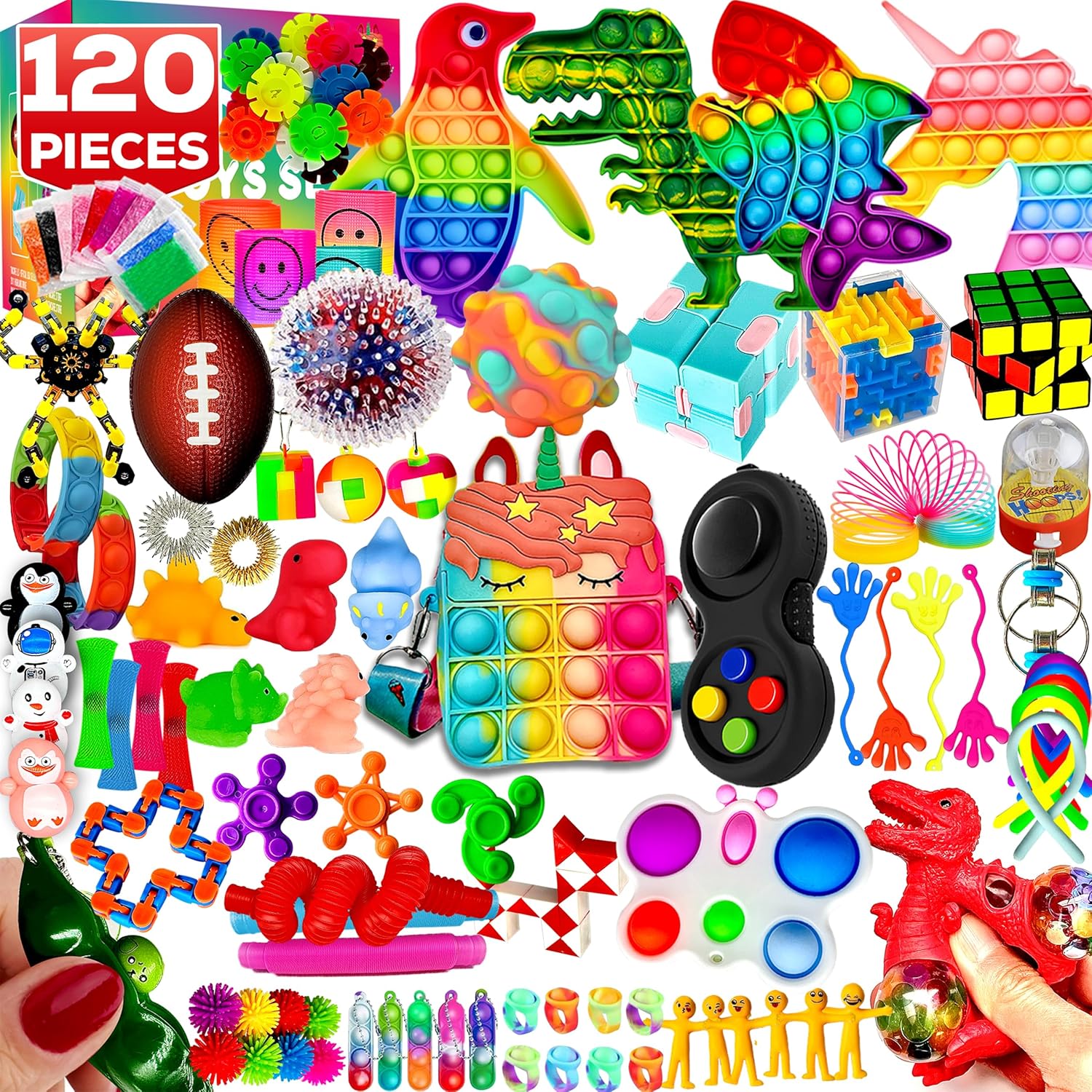
Sensory Toys for Autism 6 Year Old: A Practical Guide to Support Growth in Learning & Life
Discover how the right sensory tools can help your child navigate the crucial transition to school with greater confidence, focus, and emotional balance.
Age 6 marks a significant transition for many children, moving from kindergarten to elementary school. For children with Autism Spectrum Disorder (ASD), this year brings not only increased academic demands but also higher expectations for understanding rules, maintaining focus, and regulating emotions. During this pivotal stage, sensory toys continue to play an irreplaceable role.
By engaging touch, sight, sound, proprioception, and other senses, sensory toys help children better regulate their emotions, enhance concentration, and develop social and learning skills. This guide will explore the sensory profile of 6-year-olds with autism, the core benefits of sensory toys, suitable types, and practical strategies for parents and educators.
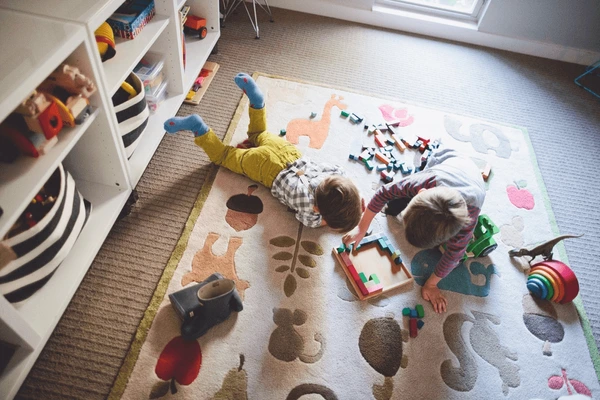
Why 6-Year-Old Autistic Children Still Need Sensory Toys
Some parents may feel that at age 6, children "should start serious learning and no longer need toys." However, for autistic children, play remains the most natural and effective form of learning.
Common challenges at this age include:
- Increased academic pressure and stress.
- Growing understanding of classroom rules, but difficulty in consistent execution.
- Emotional volatility due to failure or unexpected changes.
- Continued sensitivity to environmental stimuli, leading to distraction.
Sensory toys provide targeted support in these areas:
✔ Emotional Stability
Helps maintain calm during learning tasks.
✔ Extended Focus
Increases attention span and task engagement.
✔ Body Control
Improves motor planning and task completion skills.
✔ Social Interaction
Supports language development and peer interaction.
Sensory and Behavioral Profile of a 6-Year-Old with Autism
While every child is unique, many 6-year-olds on the spectrum share common traits:
- Sensory Processing Differences: Hyper- or hypo-reactivity to sounds, lights, textures, or smells.
- Fixed Interests: Intense focus on specific topics like numbers, vehicles, maps, or schedules.
- Rule Comprehension vs. Emotional Regulation: Understanding rules is improving, but managing frustration remains challenging.
- Task Avoidance: Tendency to shut down or escape when facing difficult tasks.
Understanding this profile helps in selecting sensory toys based on real needs—not just age recommendations or aesthetics.
Core Benefits of Sensory Toys for 6-Year-Old Autistic Children
1. Emotional Regulation & Self-Calming
Repetitive, rhythmic, or pressure-providing toys offer a safe outlet for anxiety and help restore emotional equilibrium.
2. Social Interaction & Language Development
Toys that encourage turn-taking, imitation, and cooperative play create natural opportunities for communication practice.
3. Enhanced Learning & Task Completion
Structured toys with a clear beginning and end help children understand processes and build executive function skills.
4. Improved Body Awareness & Motor Control
Movement-based and proprioceptive toys support better coordination, balance, and self-control.
Best Sensory Toys for 6-Year-Old Autism Support

Tactile & Calming Toys
Ideal for children who need tactile input to relax or focus.
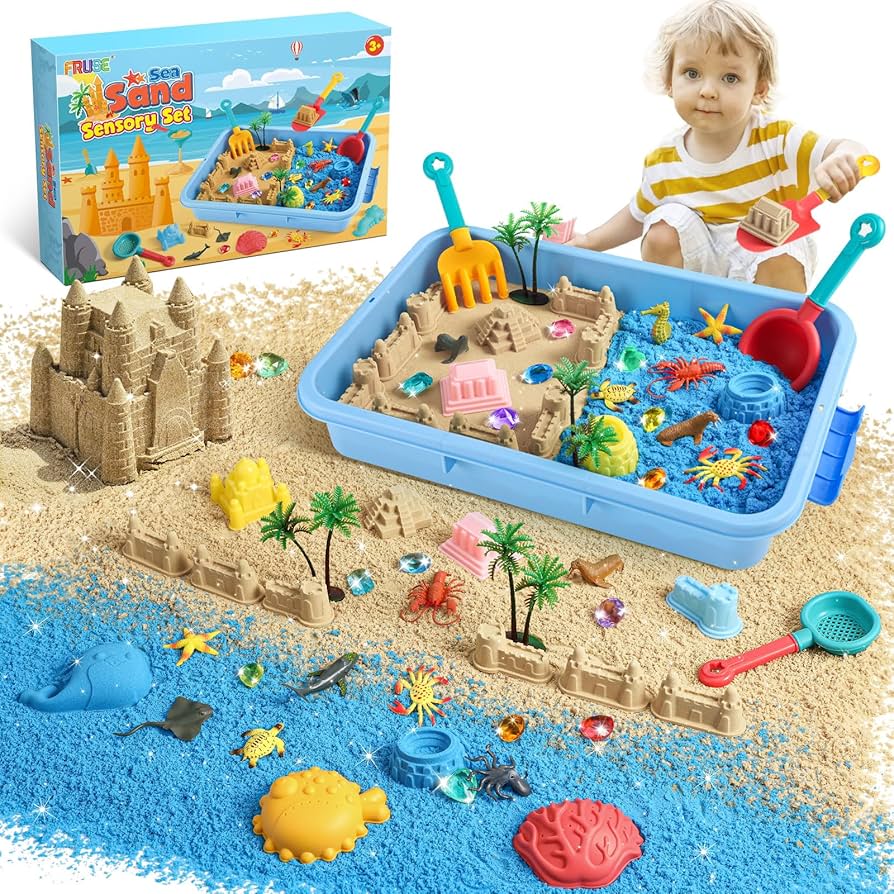
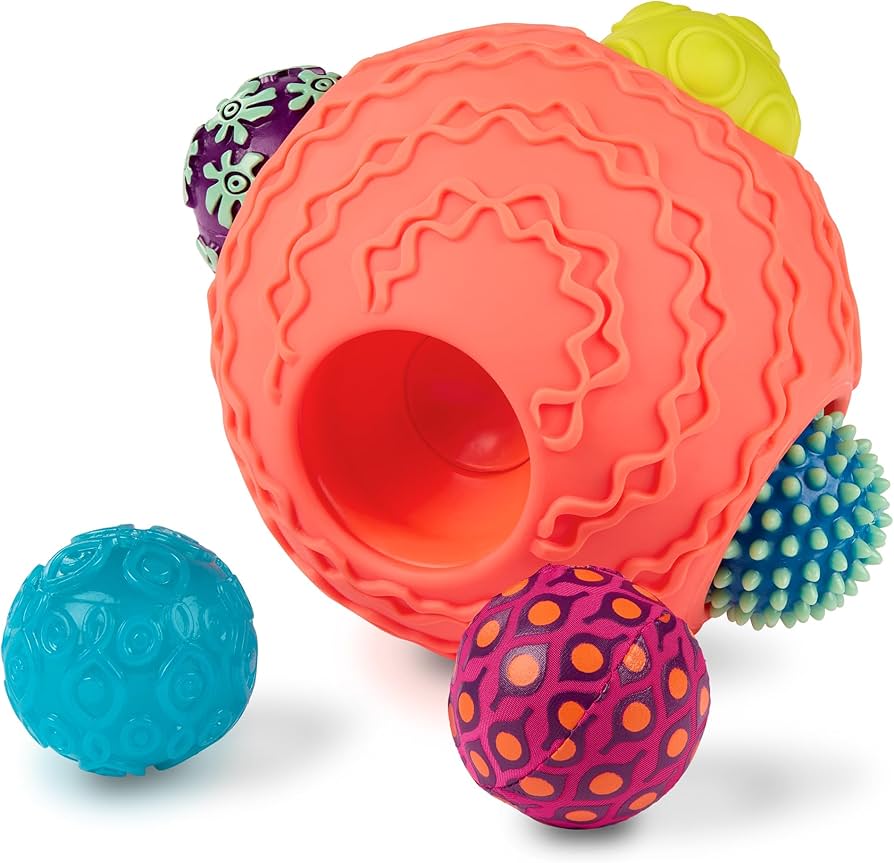
- Kinetic sand, playdough, modeling clay
- Stress balls, stretchy fidget toys
- Texture boards, tactile maze panels
Benefits: Releases tension, improves tactile tolerance, enhances fine motor skills.

Visual & Focus Toys
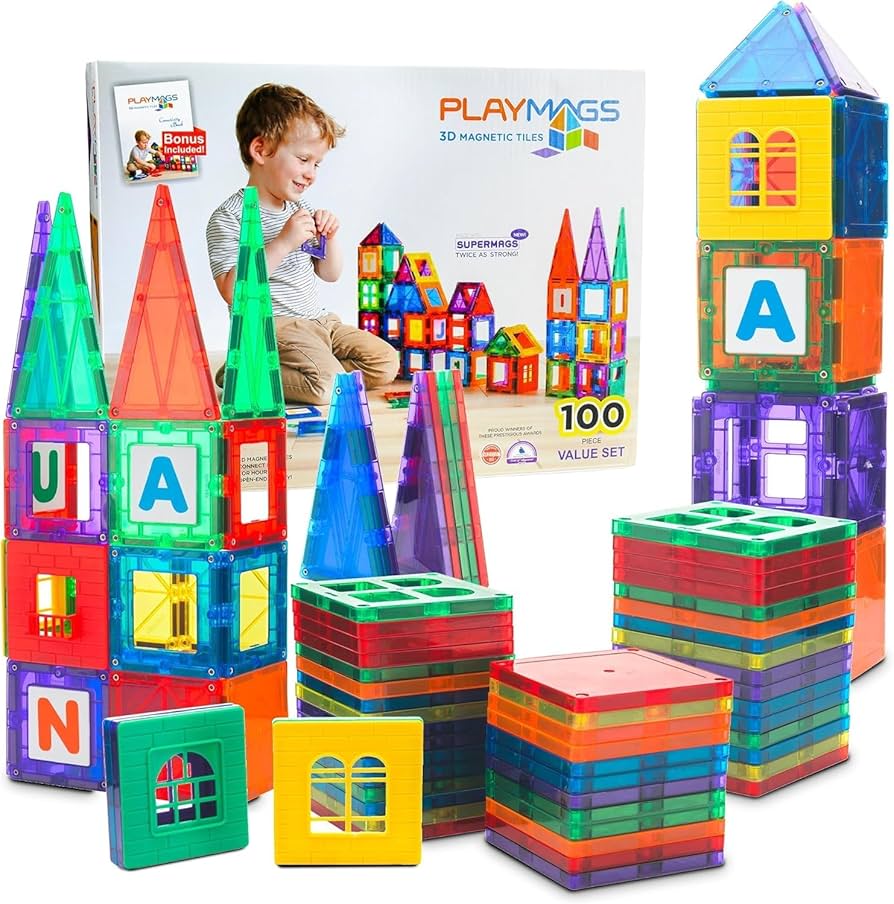
Great for children fascinated by patterns, paths, and structures.
- 50–100 piece puzzles
- Tabletop marble runs and labyrinths
- Pattern matching and tracking games
Benefits: Boosts attention to detail, problem-solving, and visual processing.

Auditory & Rhythm Toys
Suits children who are responsive to sounds and patterns.
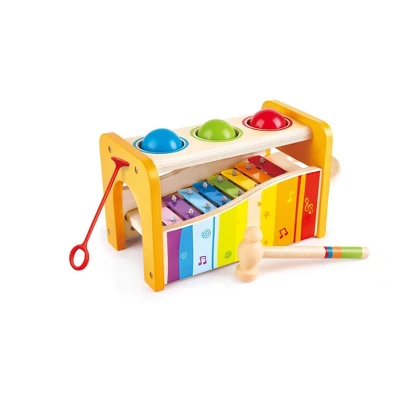
- Xylophones, hand drums, rhythm sticks
- Sound-matching memory games
- Interactive talking toys with volume control
Note: Choose toys with adjustable volume to avoid sudden, loud noises.

Proprioceptive & Movement Toys
Essential for children who need to move to regulate and focus.
- Balance boards and stepping stones
- Soft throwing and catching sets
- Indoor climbing triangles or tunnels
Benefits: Channels energy, improves gross motor skills and body awareness.

Cognitive & Rule-Based Toys
Builds logic, sequencing, and understanding of rules.
- Simple board games with clear steps
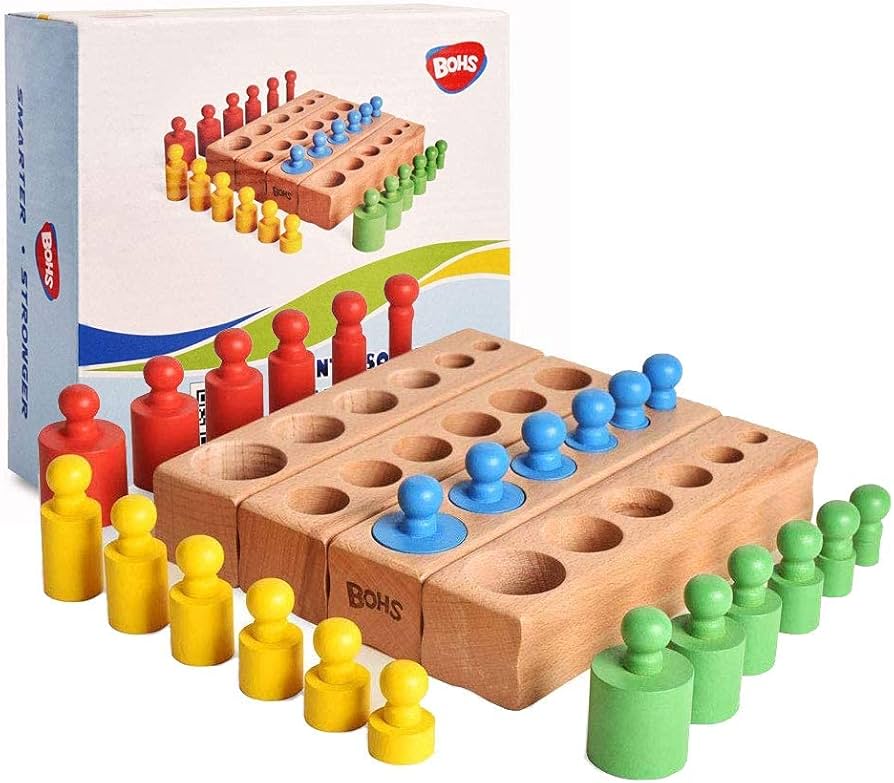
- Sorting and sequencing kits
- Multi-step activity cards or boards
Benefits: Strengthens understanding of order, cause-effect, and task persistence.
How to Choose the Right Sensory Toys for Your 6-Year-Old
1 Follow the Child's Lead
Base choices on the child's individual sensory preferences and interests, not just chronological age.
2 Aim for "Just Right" Challenge
Select toys that are slightly above current ability to encourage growth without causing frustration.
3 Prioritize Safety & Durability
Choose well-made, non-toxic toys that can withstand repeated use and sensory exploration.
4 Encourage Social Interaction
Opt for toys that can be used in solo play initially but have potential for turn-taking or cooperative play.
Sensory Play in Action: Strategies for 6-Year-Olds
Watch how sensory toys can be integrated into daily routines to support learning and regulation.
Video placeholder: Demonstrating structured play with tactile and visual toys.
Practical Strategies for Parents & Educators
- ✓ Integrate into Learning: Use a puzzle to practice patience before a reading session, or sorting toys for math concepts.
- ✓ Gamify Rules: Introduce timers, turn-taking charts, or reward stickers for completing a sensory activity sequence.
- ✓ Scale Social Demands: Start with independent play, then add one peer, gradually building towards group activities.
- ✓ Observe & Adapt: Keep a simple log of the child's engagement and emotional state before/after sensory play to identify what works best.
Common Mistakes & Important Considerations
❌ Overlooking Child's Interest
A toy chosen solely for its therapeutic function but ignored by the child is ineffective. Follow their curiosity.
❌ Sensory Overload
Too many toys or overly stimulating sessions can be counterproductive. Schedule quiet, toy-free breaks.
✔ Prioritize Emotional Feedback
A child's emotional state during play is more important than rigidly completing a task. Be flexible.
✔ Consistency & Patience
Benefits build over time. Integrate sensory play consistently into daily routines rather than as a one-off.
Conclusion: Supporting Growth at a Critical Crossroad
Age 6 is a significant stepping stone for autistic children as they venture into a broader world. Sensory toys are not a "magic solution," but they are a vital bridge connecting learning, emotional regulation, and social engagement.
True support for your child's growth comes from:
- 👉 Understanding and attuned caregivers & teachers
- 👉 Consistent, patient companionship
- 👉 Respect for individual differences and a step-by-step approach
In play, children build skills. In companionship, they build confidence.
May every 6-year-old autistic child walk forward with greater stability and joy, supported by understanding and the right tools.