Sensory Toys for Autism 2 Year Old: Best Picks & Parent Guide
Looking for safe and effective sensory toys for your 2-year-old with autism? This guide provides therapist-recommended picks, common mistakes to avoid, and practical tips to integrate toys into daily routines to support development and reduce anxiety.
Why Sensory Toys Help 2-Year-Olds with Autism
How Sensory Play Supports Early Brain Development
Age 2 is a critical window for sensory integration and brain development. Appropriate sensory stimulation helps autistic children process environmental information more effectively, laying foundations for language, cognition, and social skills.
Through structured sensory input, children learn to organize and interpret tactile, visual, and auditory information—the building blocks of learning and development.
Reducing Anxiety and Improving Emotional Regulation
Many autistic children experience meltdowns when facing sensory overload. The right sensory toys provide predictable, controllable input that helps children transition from agitated to calm states.
Toys offering deep pressure or soothing visual input are particularly effective for emotional regulation, giving children tools for self-soothing.
Common Sensory Profiles in Autistic Children
Sensory Sensitivity
Overreaction to sounds, lights, or textures; may dislike being touched or clothing changes
Sensory Seeking
Repetitive movements like rocking, hand-flapping, or spinning to obtain sensory input
Sensory Avoidance
Resistance to certain textures, sounds, or activities like walking on grass or sand
What to Look for When Choosing Sensory Toys for a 2-Year-Old
Age-Appropriate & Safety Considerations (The #1 Priority)
Two-year-olds explore orally and physically. Ensure toys are:
- No small parts: All components must be larger than a choking hazard tube
- Non-toxic materials: Look for ASTM F963 or CE safety certifications
- Durable construction: Rounded edges, withstands throwing, no loose parts
Understanding Sensory Seekers vs Sensory Avoiders
This is key to choosing the right toy:
Sensory Seekers
Enjoy jumping, spinning, touching everything. Recommend: weighted blankets, swings, texture-rich toys
Sensory Avoiders
Sensitive to sounds, textures, easily overwhelmed. Recommend: gentle, controllable input like noise-canceling headphones, soft pressure toys
Tip: Observe and record your child's reactions to different stimuli to understand their unique profile.
Materials, Textures & Stimulation Level
For 2-year-olds with autism, start with single, mild sensory inputs to avoid overload from complex multi-functional toys.
| Sensory Type | Recommended Level | Avoid |
|---|---|---|
| Visual | Soft color contrasts, slow-moving visuals | Flashing bright lights, rapidly changing visuals |
| Auditory | Gentle, predictable sounds, volume control | Sudden loud noises, constant high volume |
| Tactile | Varied but mild textures, from soft to slightly textured | Overly rough, sticky, or prickly surfaces |
Key Principles for Choosing Sensory Toys for 2-Year-Olds with Autism
1. Safety First
Two-year-olds explore orally and physically. Ensure toys are:
- Non-toxic materials with safety certifications
- No small parts to prevent choking
- Rounded edges and durable construction
2. Moderate Stimulation
Avoid sensory overload with toys that feature:
- Soft, non-startling sounds
- Gentle, non-flashing lights
- Clear but not overwhelming color contrasts
Simple Cause & Effect
Choose toys with clear action-reaction relationships to build cognitive understanding
Developmentally Appropriate
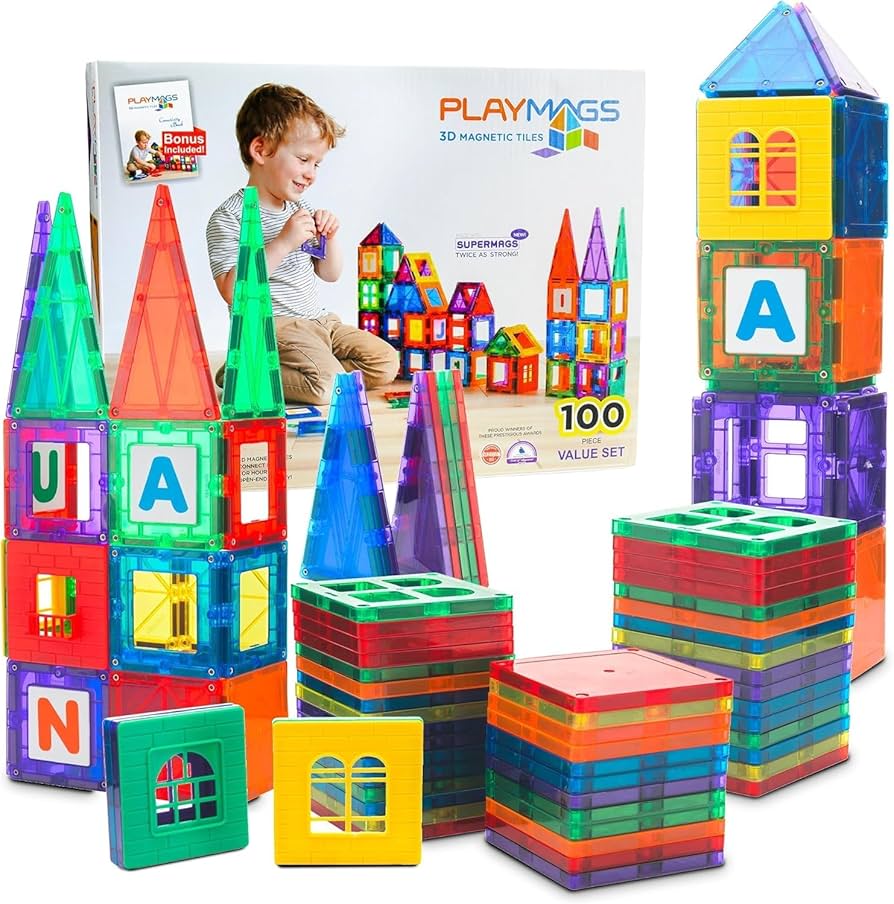
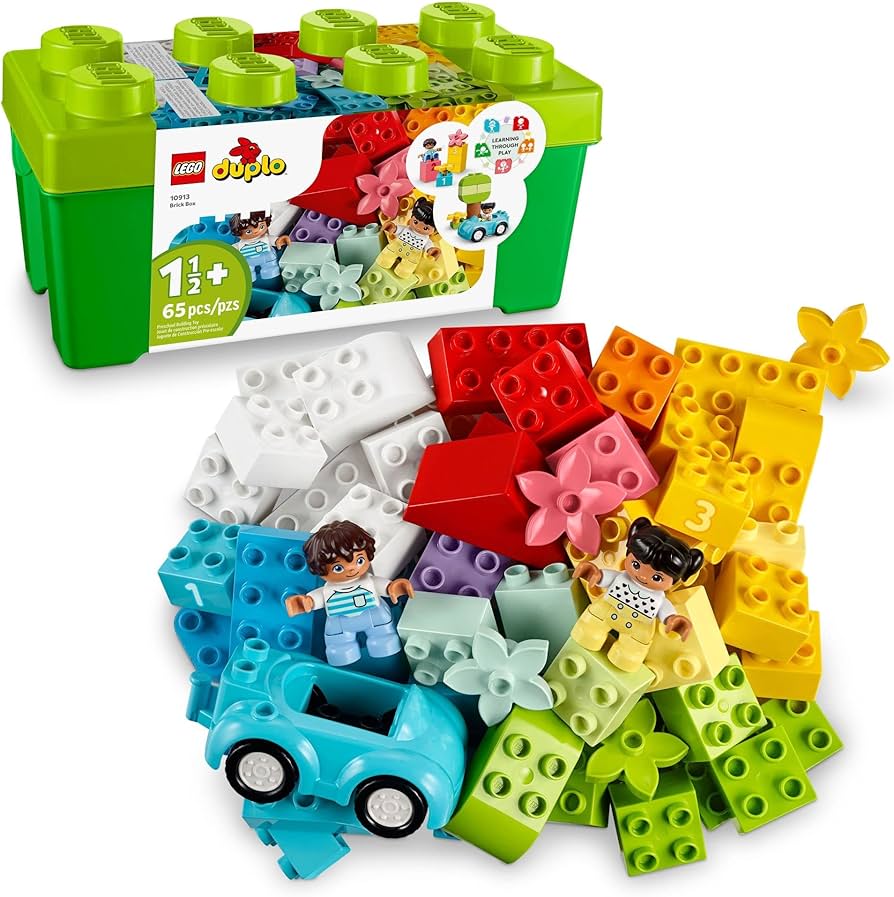
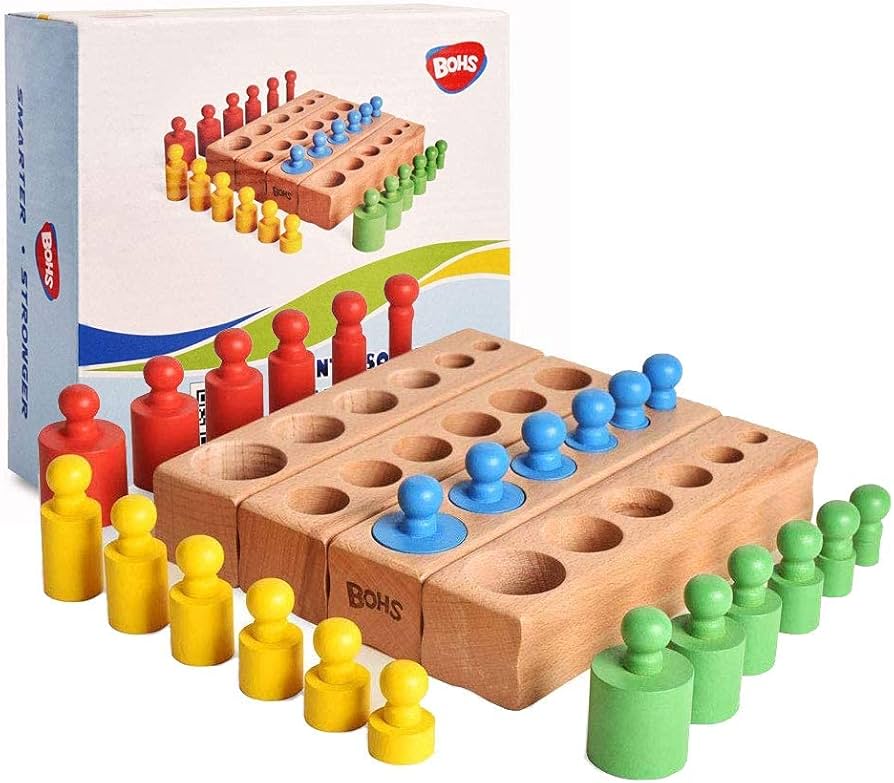
Match toys to 2-year-old motor skills: grasping, pushing, pulling, stacking
Individual Preferences
Observe and respect each child's unique sensory preferences and aversions
Interactive Play is Key
The most valuable sensory toys facilitate interaction rather than solitary play. Look for toys that encourage turn-taking, imitation, joint attention, and shared enjoyment between child and caregiver.
Best Types of Sensory Toys for Autism (Age 2)
Tactile & Fine Motor Toys
Purpose: Satisfy tactile exploration, strengthen hand muscles, improve focus
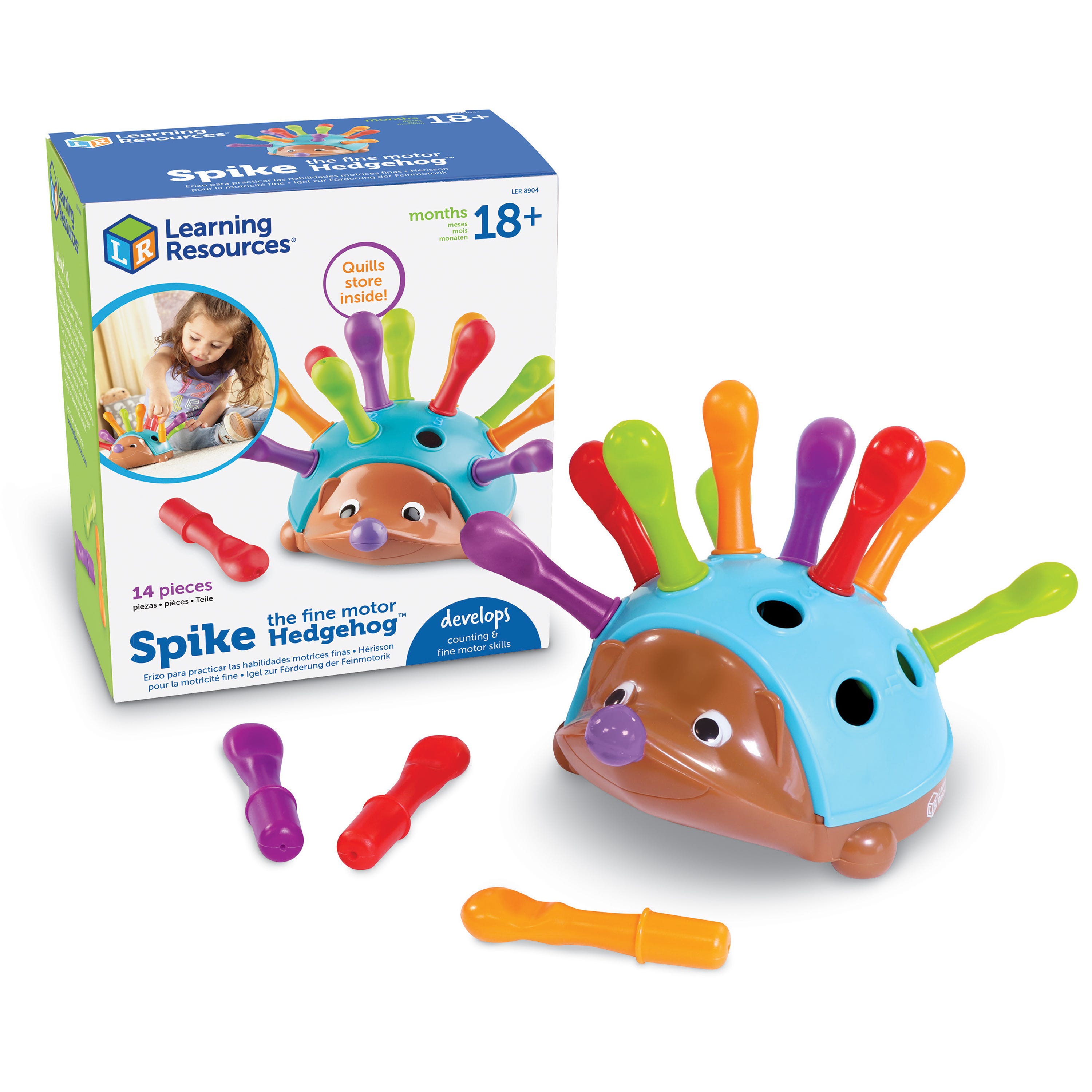
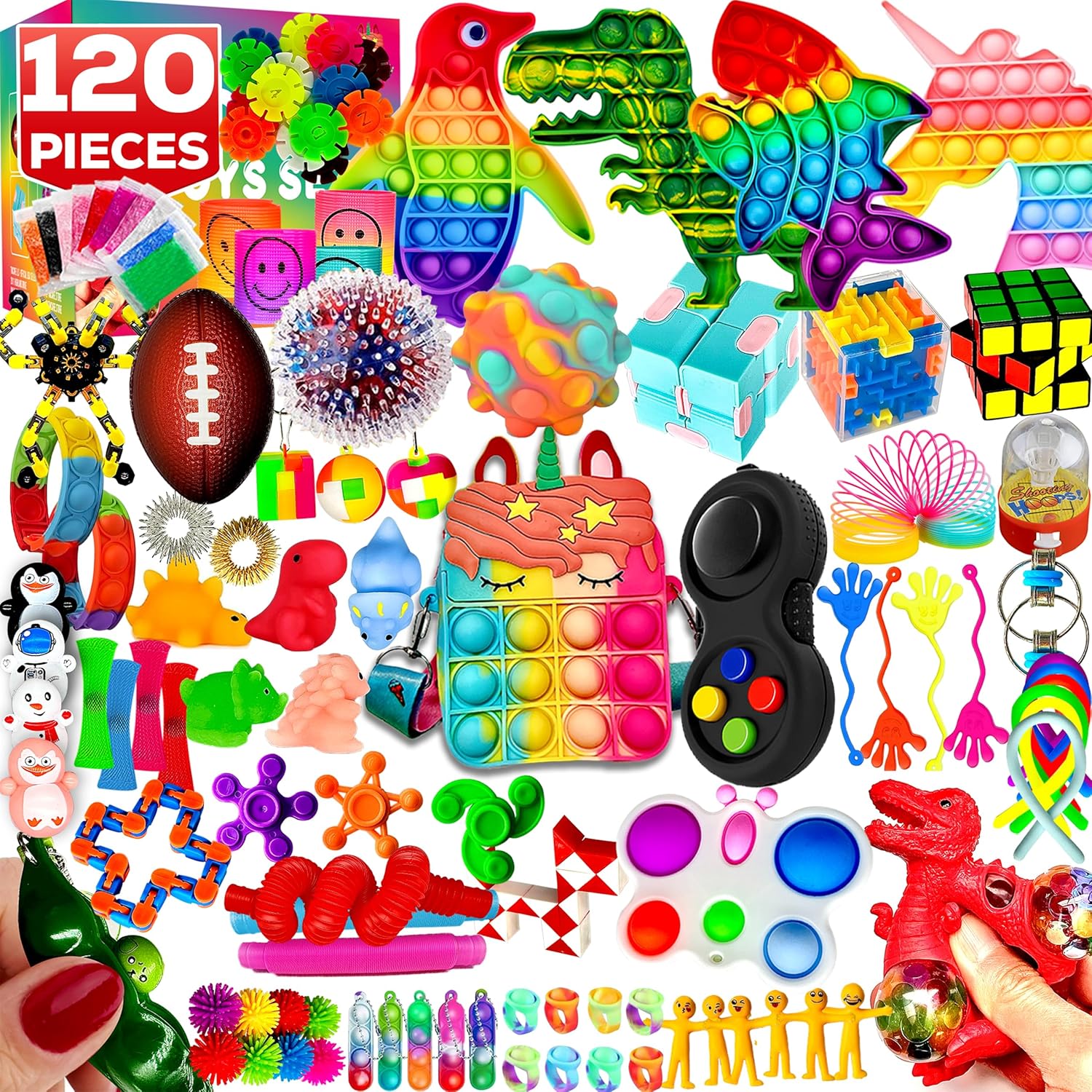
- Silicone push-pop toys (Pop Its)
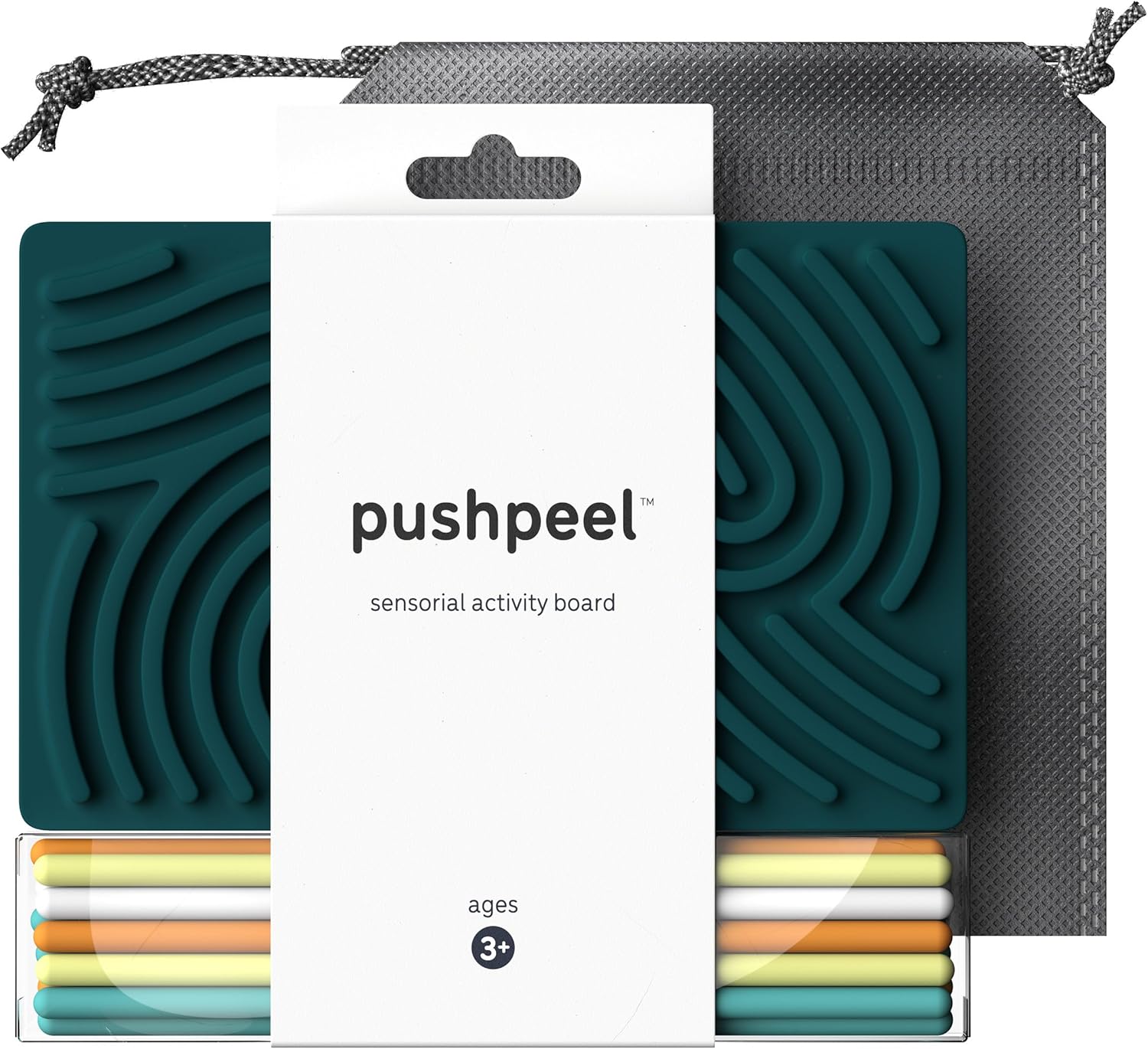
- Busy boards with latches & locks
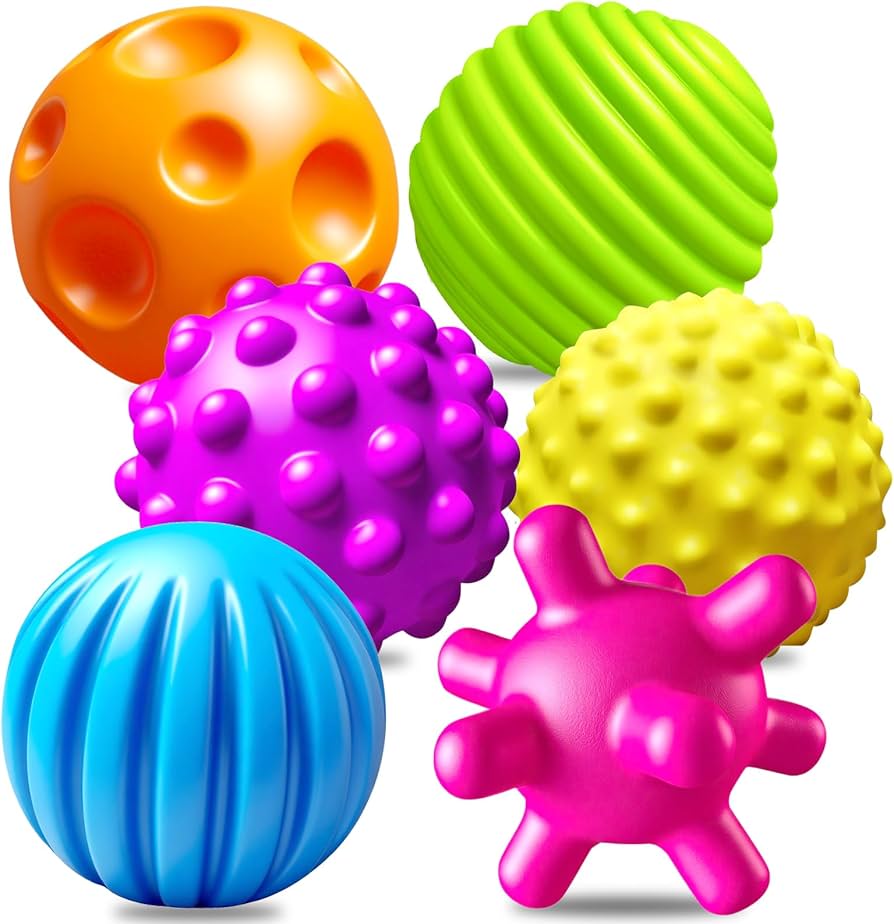
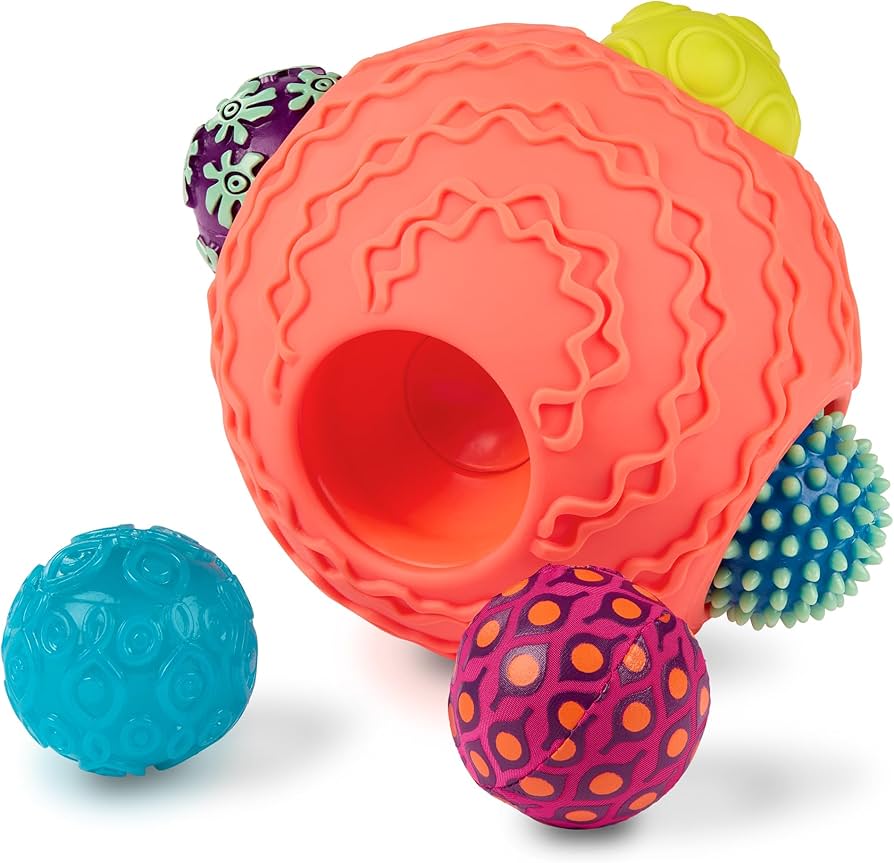
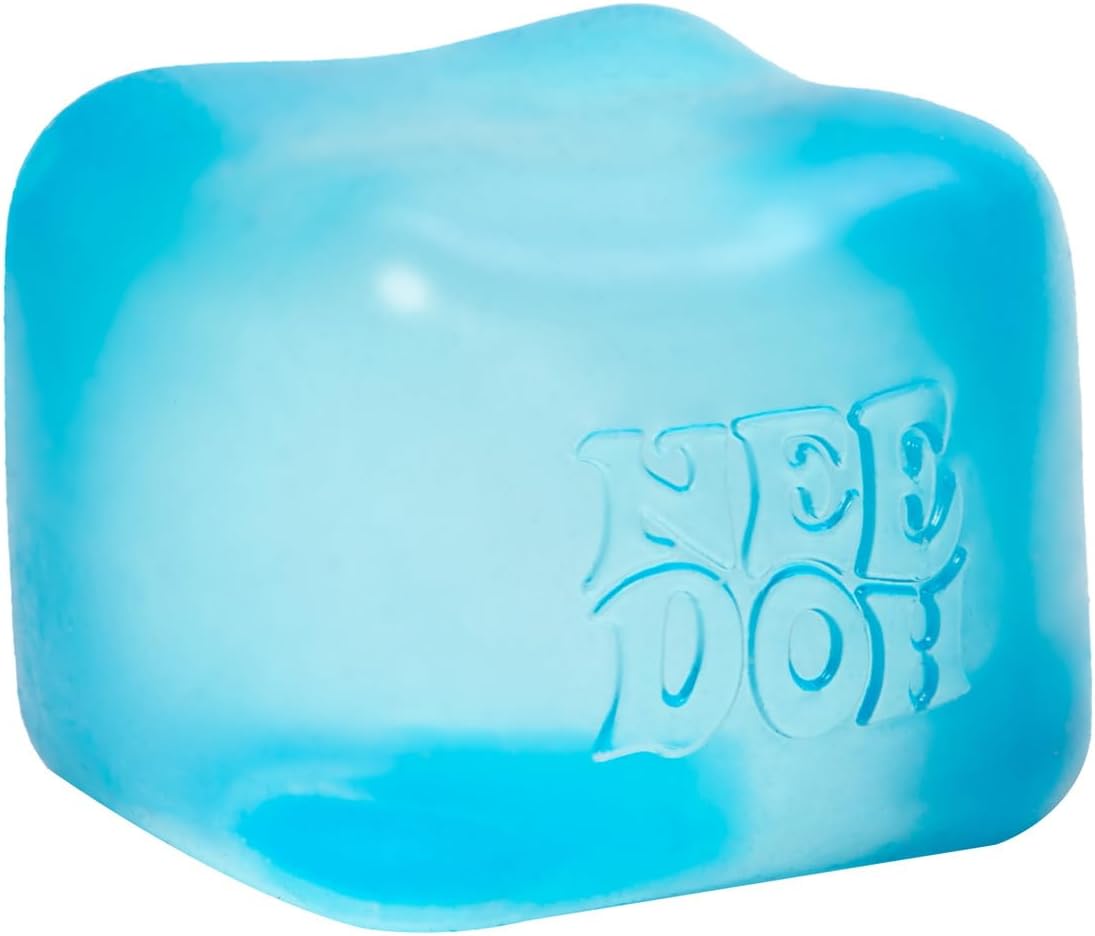
- Textured sensory balls
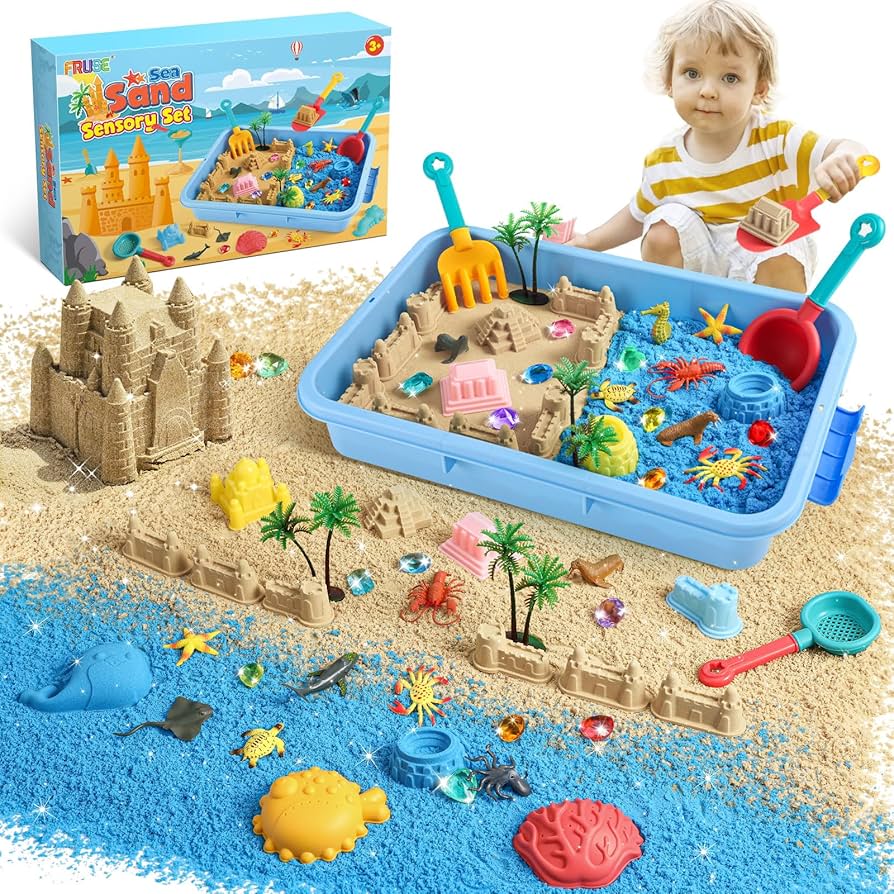
- Washable non-toxic playdough
Why they work: Provide repetitive, controllable tactile feedback to extend attention span.
Calming & Self-Regulation Toys
Purpose: Help children calm down from agitation, manage emotions
- Visual timers / hourglasses
- Lava lamps
- Breathing toys (expanding animals)
- Vibrating plush toys (low intensity)
Why they work: Offer slow, rhythmic visual or deep pressure input to reduce anxiety.
Movement & Proprioceptive Toys
Purpose: Provide vestibular/proprioceptive input, stabilize mood, meet movement needs
- Mini indoor trampoline (with handle)
- Push-pull toys (shopping carts)
- Bean bag chairs
- Low balance beams
Why they work: Help seekers get needed gross motor input, help avoiders better sense body position.
Practical Tips for Parents
Rotate Toys
Offer 2-3 types at a time to maintain interest without overwhelm
Observe Preferences
Notice which sensory inputs your child seeks or avoids
Balance Variety
Include different sensory types rather than focusing on one
How to Use Sensory Toys in Daily Routines
Morning & Bedtime Calming Routines
Establish predictable sensory rituals:
- • Morning: 5-minute weighted blanket hug to start the day calmly
- • Bedtime: 10-minute lava lamp watching or breathing toy to transition to sleep
Interactive Play with Parents & Therapists
Interaction matters more than the toy itself. Strategies:
- • Sit face-to-face, at eye level
- • Imitate your child's play, then add slight variations
- • Take turns with the toy to build social exchange
- • Follow your child's lead rather than directing play
Using Toys During Transitions and Meltdowns
Sensory toys can help manage changes and strong emotions:
Before Outings
Let child play with familiar tactile toy for a few minutes to prepare for environmental change
When Emotions Escalate
Offer deep pressure toy (bean bag chair) or guide to breathing toy for self-regulation
During Activity Transitions
Use visual timer to signal activity ending, provide sensory toy as transition support
Watch for signs of overstimulation (turning away, covering ears) or engagement (smiling, reaching) and adjust accordingly.
Common Mistakes Parents Make (And How to Avoid)
❌ More Toys = Better Results
Myth: Offering many choices helps child find what they like.
Reality: Too many options cause sensory overload and decision fatigue.
✅ Do this instead: Offer 2-3 carefully selected toys at a time, rotate regularly.
❌ Stronger Stimulation = More Effective
Myth: Bright lights and loud sounds better capture attention.
Reality: Overstimulation often causes distress and withdrawal.
✅ Do this instead: Start with mild, controllable input, observe child's response.
❌ Expecting Immediate Results
Myth: New toy should quickly improve behaviors or reduce meltdowns.
Reality: Sensory integration is gradual, requiring time and patience.
✅ Do this instead: View toys as tools for connection and communication, not quick fixes.
FAQs About Sensory Toys for 2-Year-Olds with Autism
My child shows no interest in any toys, what should I do?
First, observe what naturally attracts your child—it might be household items like keys, fabrics, or containers. Start from these interests and find sensory toys with similar textures or functions. Consider consulting an occupational therapist (OT) for personalized recommendations.
What's the difference between sensory toys and regular toys?
Regular toys focus on entertainment and skill development, while sensory toys are specifically designed to provide particular types of sensory input (tactile, visual, auditory) to help regulate the nervous system. Sensory toys emphasize texture, predictability, and controllability over complex functions or game rules.
Should I consult an occupational therapist (OT)?
If your child has significant sensory processing challenges or you're unsure about toy selection, consulting an OT is highly beneficial. An OT can assess your child's unique sensory needs, provide personalized activity recommendations, and guide you on effectively using sensory toys.
I'm on a tight budget, how do I start?
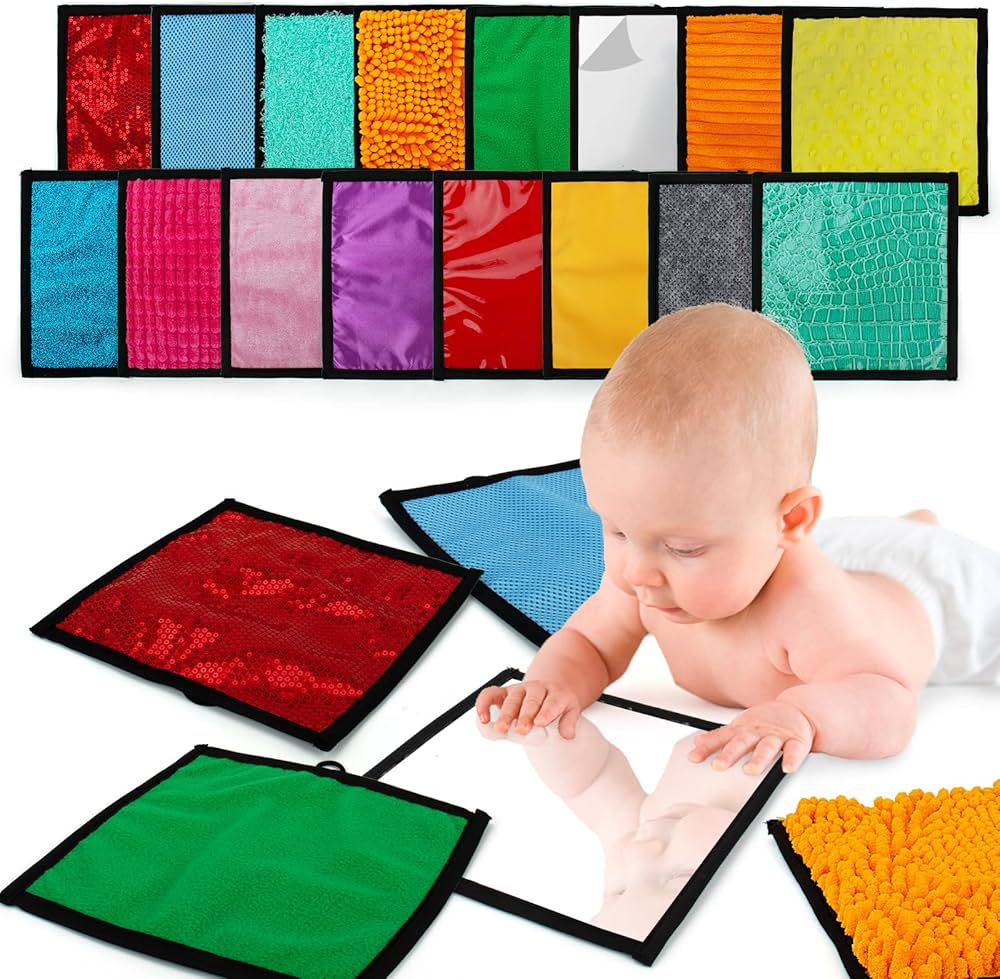
Begin with DIY sensory activities: ziplock bags filled with different materials (water, gel, beans), homemade sensory bottles (water bottles with glitter and water), fabric swatch books. Focus on quality over quantity—invest in 1-2 versatile, durable toys like a busy board or high-quality tactile balls.
How do I know if a toy is actually helping my child?
Look for positive signs: your child voluntarily returns to the toy, appears calmer and more focused after play, the toy helps with difficult transitions, or facilitates more interaction with you. If these signs are absent, try different sensory types or intensities.
Is a Sensory Toy Working for Your Child?
Repeated Engagement
Does your child return to the toy voluntarily?
Calmer Demeanor
Does play lead to reduced anxiety or agitation?
Increased Interaction
Does it facilitate more eye contact or shared attention?
The Most Important Ingredient: Your Presence
While sensory toys provide valuable support, they are merely tools. Your attentive presence, patient observation, and loving interaction transform these tools into meaningful developmental experiences. The connection you build during sensory play matters more than any toy.