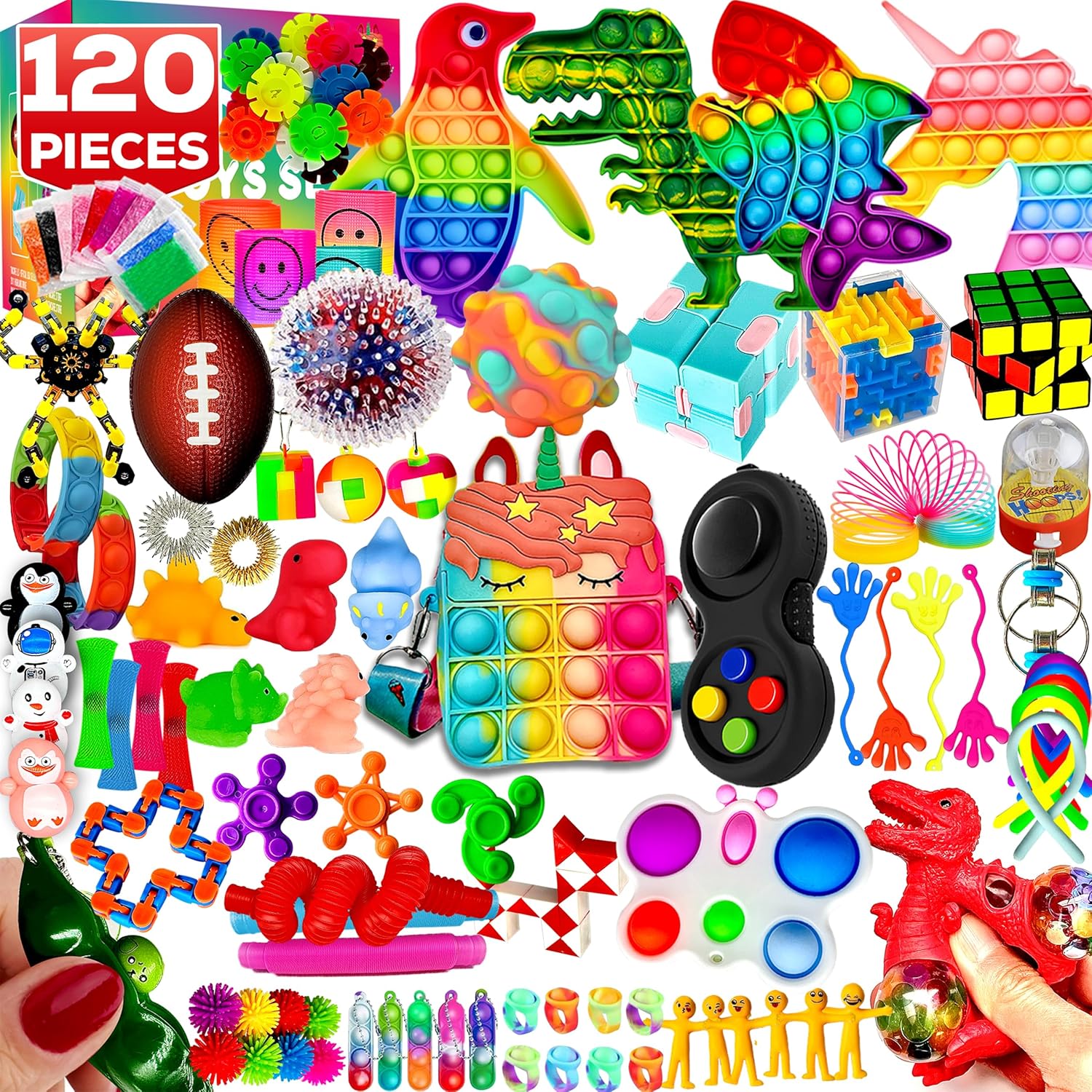
Best Sensory Toys for Autism Toddlers (Ages 2–4): A Parent’s Guide
Looking for the right sensory toys for your autistic toddler? This guide helps you choose safe, calming, and development-supporting toys that reduce meltdowns and build essential skills through play.
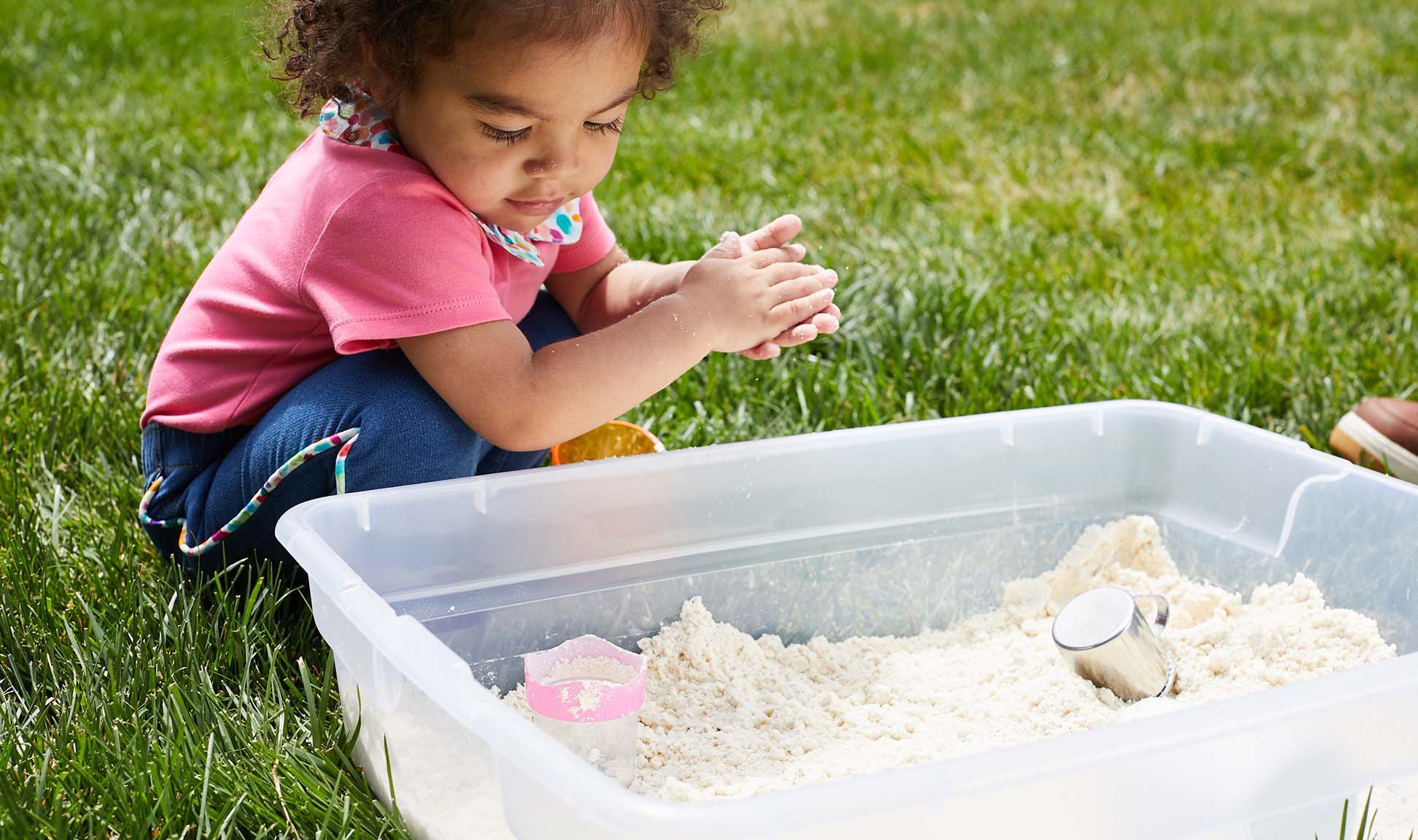
For many autistic toddlers, the world can feel overwhelming — too loud, too bright, or too unpredictable. Sensory toys help bridge this gap by providing controlled, soothing, and meaningful sensory input. When chosen correctly, they can reduce anxiety, improve focus, support motor skills, and help toddlers explore their world with confidence.
Key Benefits of Sensory Toys for Autistic Toddlers
Reduce Anxiety and Emotional Meltdowns
Before we introduced sensory toys into our daily routine, mornings were often stressful. Getting dressed, brushing teeth, or even changing rooms could trigger big emotions. Once we added soft-textured balls, squishy toys, and calming visual toys into playtime, I noticed a big difference. When my toddler starts to feel overwhelmed, they now reach for a familiar sensory toy instead of melting down. It gives them something safe and soothing to focus on.
Improve Focus and Attention Span
I used to struggle to get my child to sit and engage with any activity for more than a minute. But with sensory toys like pop boards, stacking rings, and textured puzzles, I’ve seen their attention span slowly grow. Now, during quiet playtime, they can focus on one toy for several minutes at a time. It’s not just play anymore — it’s learning through touch, movement, and exploration.
Support Fine & Gross Motor Development
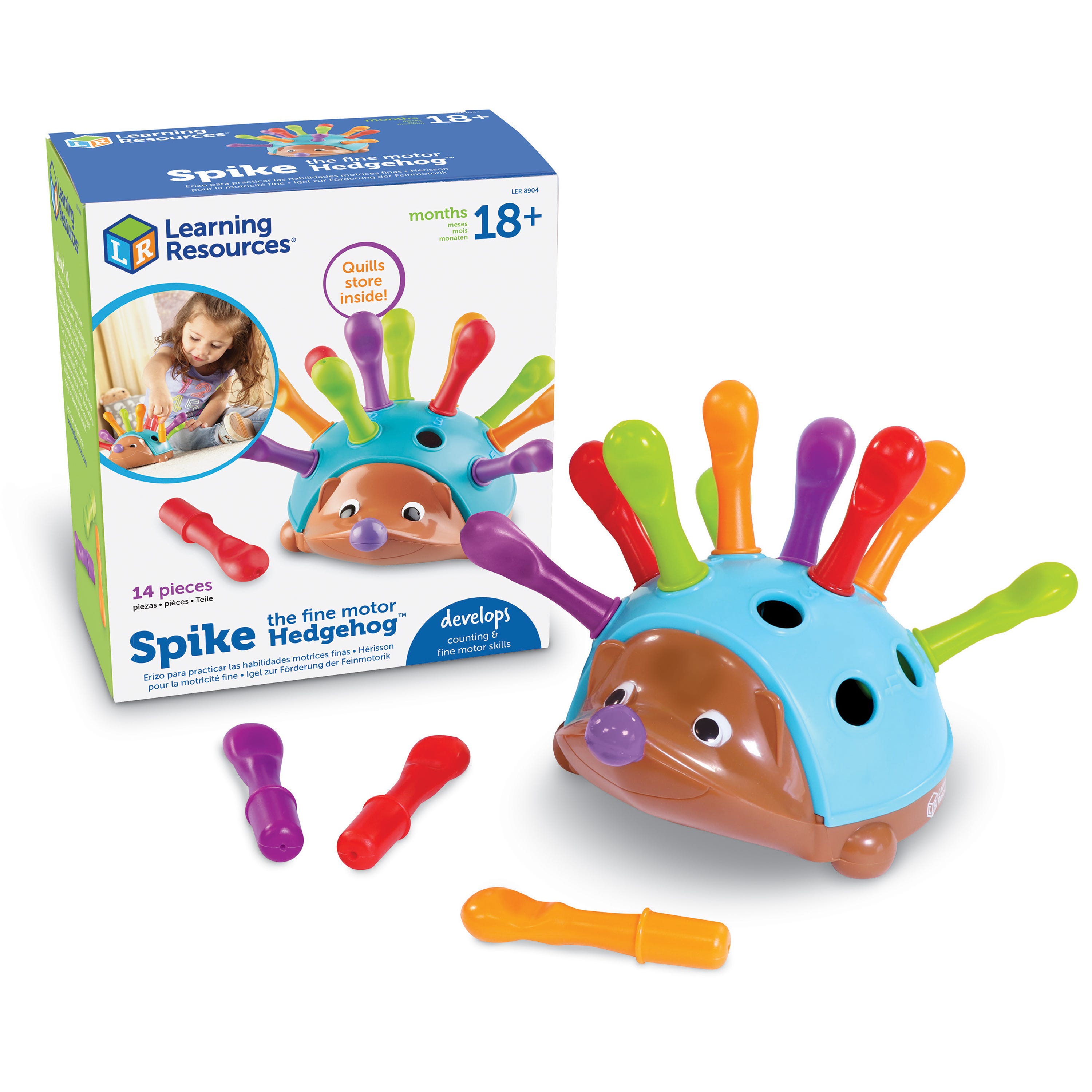
Simple actions like squeezing, stacking, pulling, or rolling toys have made a big difference in my toddler’s physical development. I’ve watched their little fingers become stronger and more coordinated from using fidget toys and shape sorters. At the same time, larger sensory play items like balance boards and push toys help with big movements like walking, jumping, and climbing. It’s amazing how much growth can happen through play.
Encourage Communication and Social Play
At first, my child mostly played alone. But sensory toys opened the door to shared moments. When we sit together with a light-up toy or a sound-making instrument, they start to look at me, smile, and sometimes even copy my actions. These small interactions turn into meaningful connections. Over time, I’ve seen more eye contact, more gestures, and more willingness to play alongside others.
Help Toddlers Self-Regulate Their Emotions
One of the biggest changes I’ve noticed is how sensory toys help my toddler calm themselves. When they’re tired, overstimulated, or frustrated, they now know how to use a toy to settle down. Watching them rock gently with a sensory cushion or squeeze a stress toy to release tension has been incredibly reassuring. It feels like they’re learning how to understand and manage their own emotions — one small step at a time.
How to Choose the Right Sensory Toys for Your Toddler
Choose Age-Appropriate Toys (2–4 Years)
When I first started buying sensory toys, I didn’t realize how important age really is. Some toys looked cute but were too simple, and others were way too complex. Once I focused on toys made specifically for toddlers aged 2 to 4, everything changed. My child was more interested, more confident, and actually wanted to play instead of getting frustrated or bored.
Pick Safe & Non-Toxic Materials (BPA-Free)
As a parent, safety comes first. I always check labels for BPA-free and non-toxic materials now. Early on, I bought a toy that had a strong plastic smell — and it went straight back. Since switching to higher-quality, safer toys, I feel much more at ease letting my toddler explore with their mouth, hands, and face. Peace of mind makes a big difference.
Avoid Small Parts or Sharp Edges
I learned this one the hard way. A toy with tiny detachable pieces became more stressful than fun. I was constantly watching instead of relaxing. Now I only choose toys with solid, smooth designs and no sharp corners. The result? My toddler plays more freely, and I can actually enjoy watching instead of worrying.
Match the Toy to Your Child’s Sensory Needs
Not every child reacts the same way to sensory input. My toddler is more of a “sensory seeker” — they love bright colors, movement, and textures. But I’ve met parents whose kids are sensory-avoiders and get overwhelmed easily. Once I understood this, choosing toys became easier. When the toy matches their needs, playtime feels calm and successful instead of chaotic.
Start with Low Stimulation, Then Build Up
In the beginning, I went straight for flashy, noisy toys. Big mistake. They were too much. My child got overstimulated and cranky. When I switched to simple, quiet toys with gentle textures and slow movements, I saw better focus and calmer play. Now we start small and gradually add more complex toys as they grow and adapt — and it works beautifully.
Essential Sensory Integration Toys for Autism
These toys target the foundational sensory systems, helping toddlers process and respond to information from their environment more effectively.
Sensory Slides
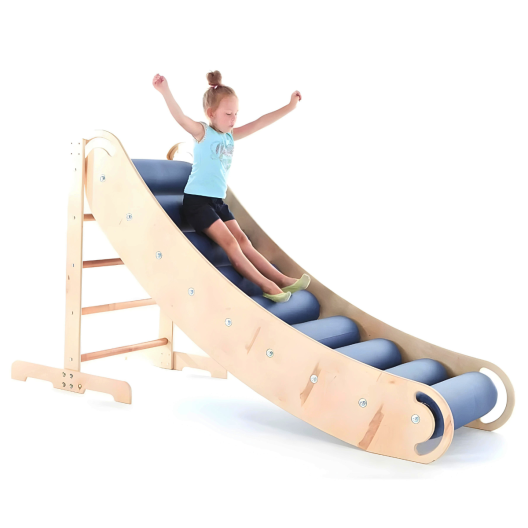
Slides help toddlers experience speed and spatial changes, stimulating the vestibular system. This is crucial for improving balance, coordination, and body awareness.
Benefit: Enhances gravitational security and helps reduce sensory-seeking or avoidance behaviors.
Therapeutic Swings
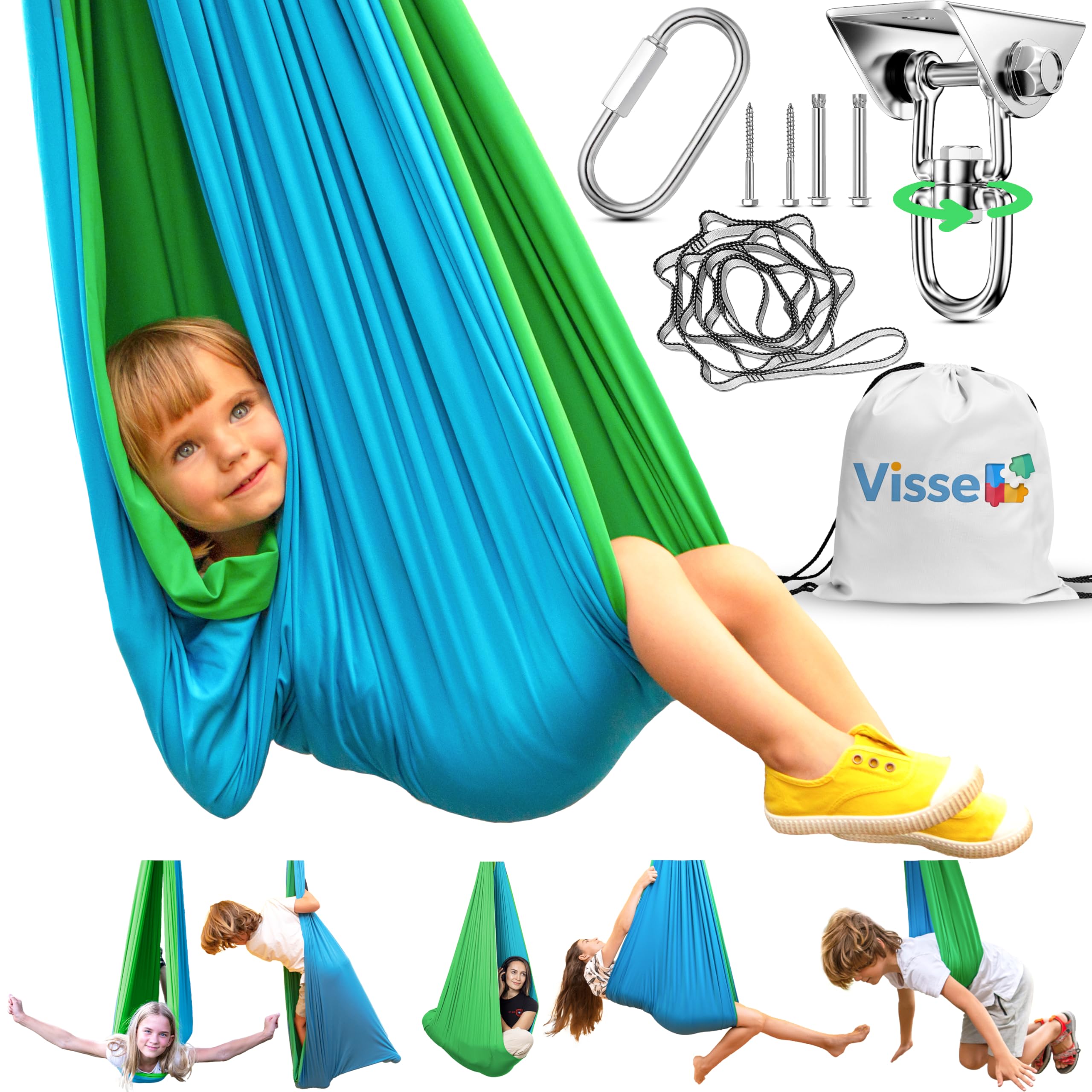
Available in types like platform swings, cocoon swings, or bolster swings, they provide calming linear or rotary motion. This input is key for regulating the vestibular and proprioceptive senses.
Benefit: Improves focus, reduces anxiety, and supports better emotional regulation.
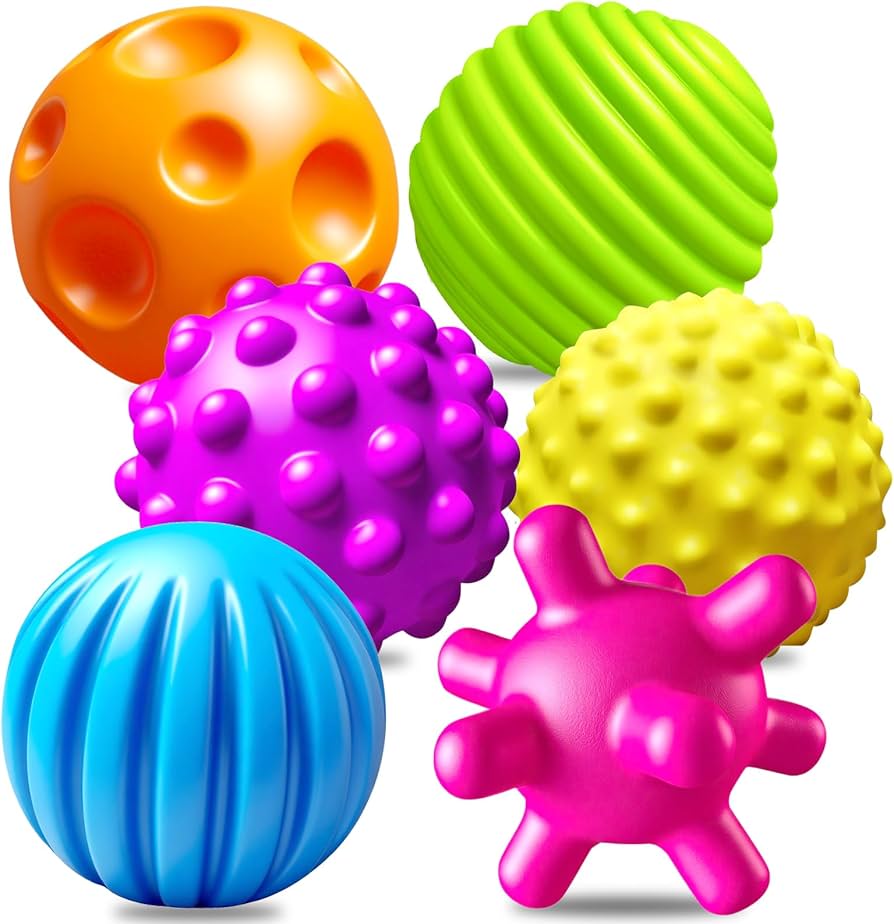
Textured Sensory Balls
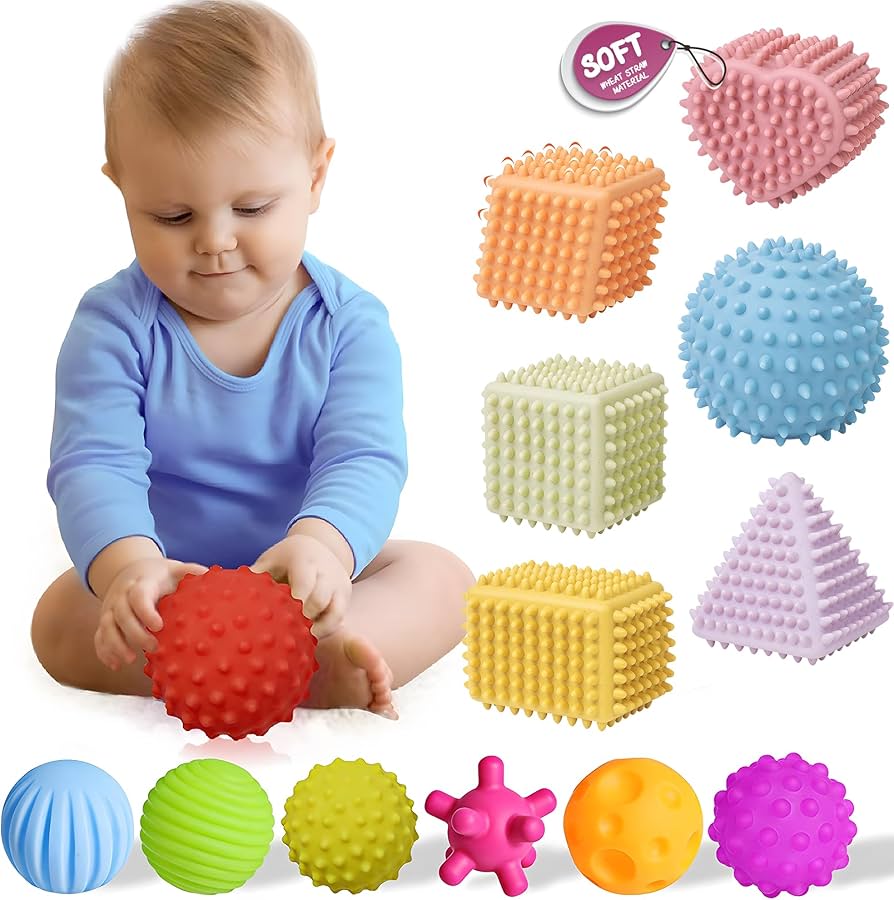
Featuring various textures like nubs, spikes, or soft bristles, these balls offer deep tactile input. They are excellent for toddlers who are either tactile defensive or seek tactile stimulation.
Benefit: Desensitizes or awakens the tactile system, improving tolerance to different touch sensations.
Best Cognitive Toys for Autistic Toddlers
Toys that challenge the mind, improve problem-solving, and build understanding of concepts in a structured, engaging way.
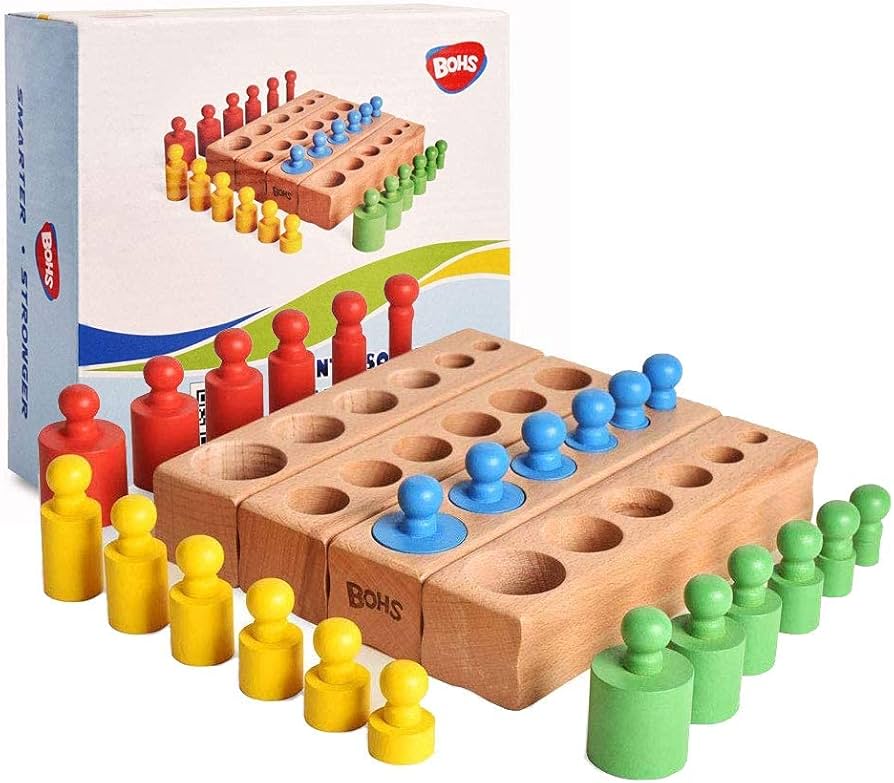
Adaptive Puzzles
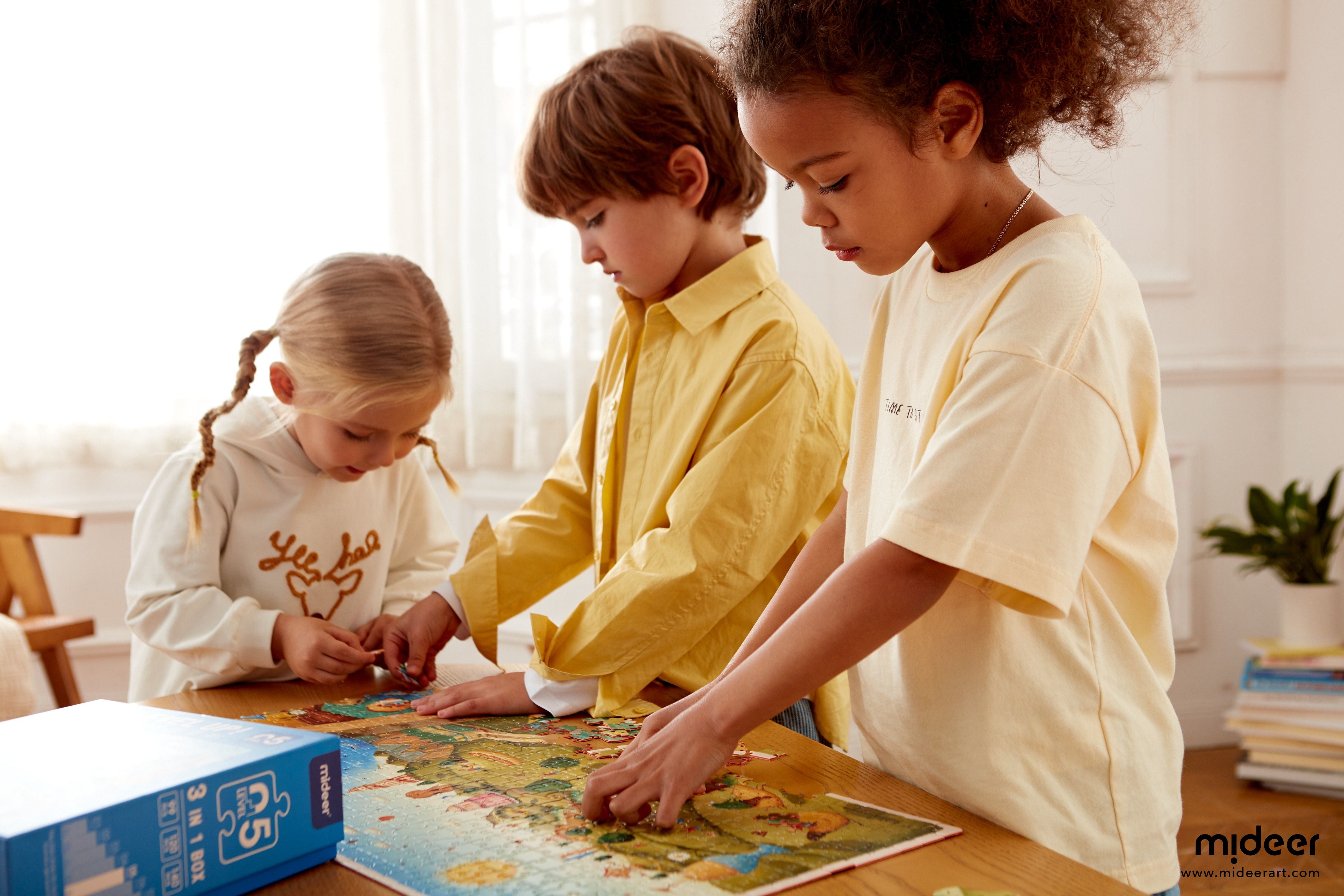
Start with simple, chunky knob puzzles and progress to multi-piece sets. Puzzles build visual perception, patience, and problem-solving skills.
Tip: Use puzzles with your child's specific interests (e.g., vehicles, animals) to increase engagement.
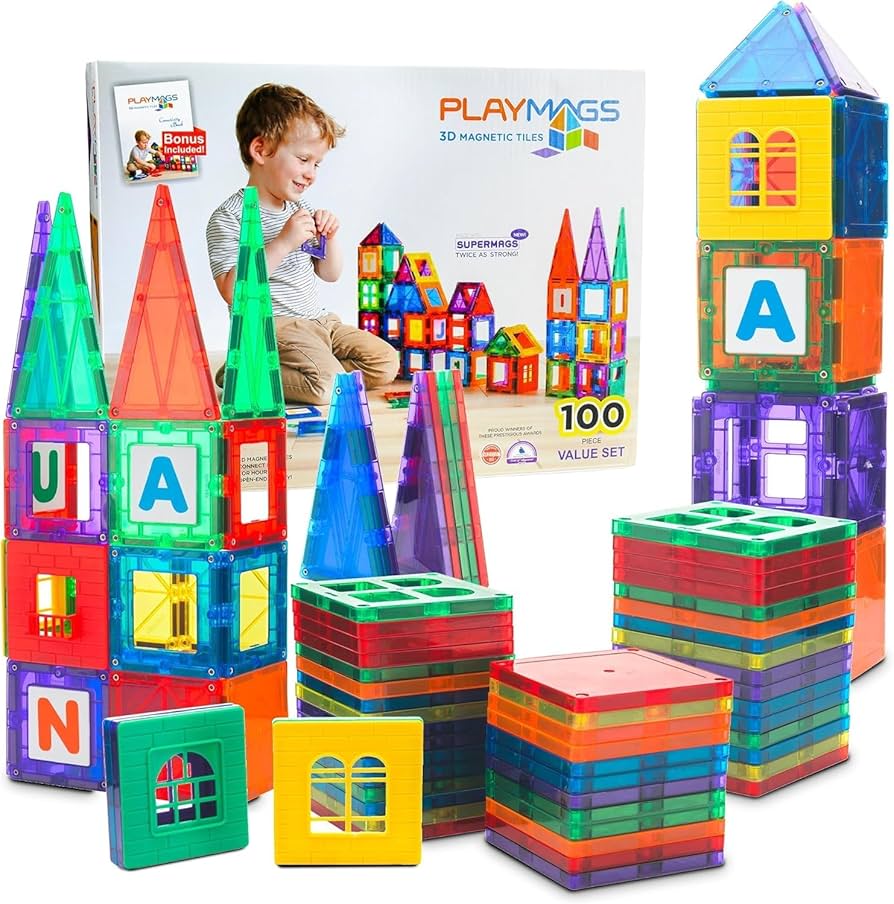
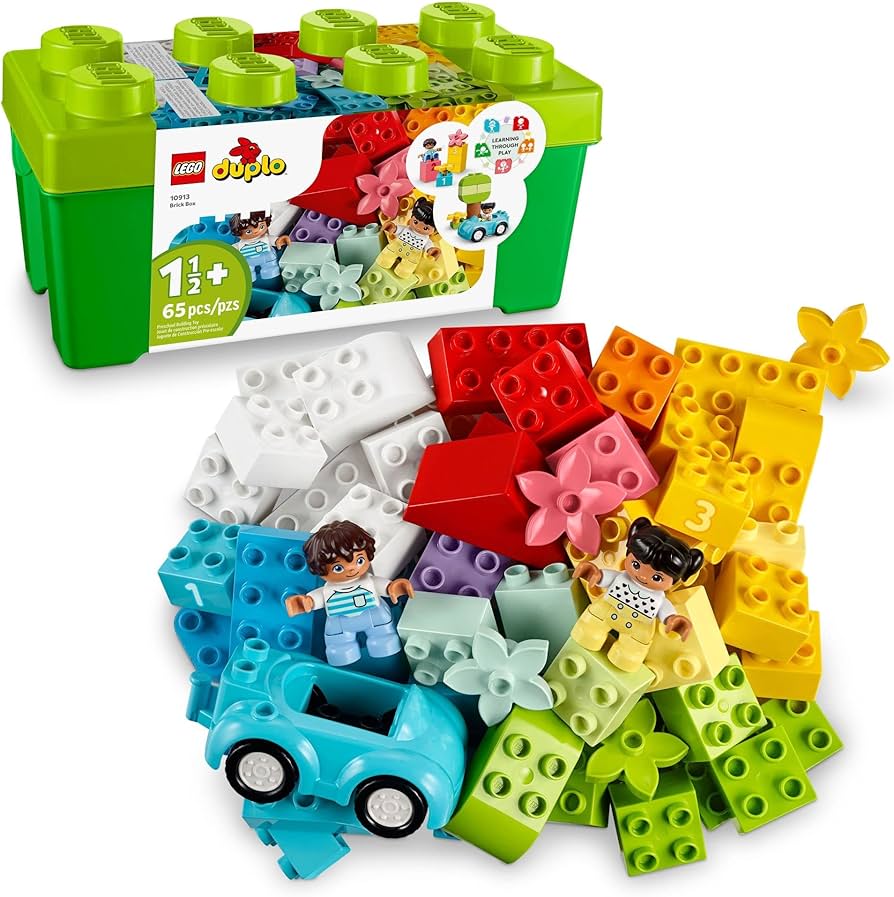
Building Blocks & Sets
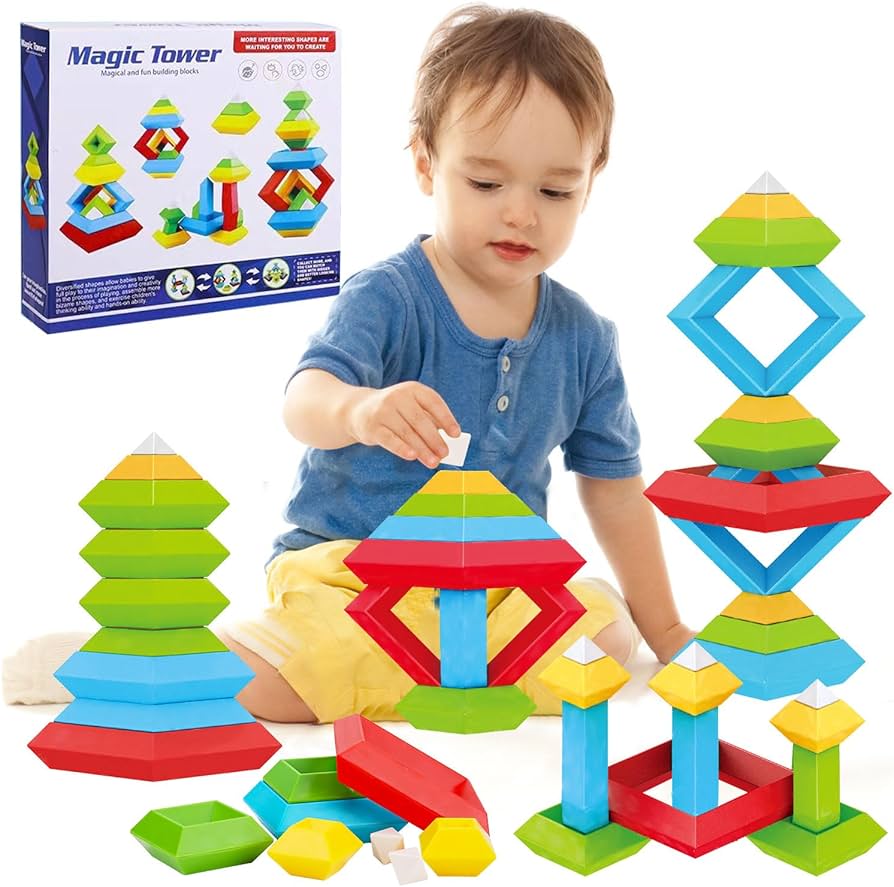
From soft blocks to magnetic tiles, building toys foster creativity, spatial reasoning, and cause-and-effect understanding. They also encourage parallel or cooperative play.
Tip: Use blocks to teach colors, counting, and simple patterning.
Interactive Learning Cards
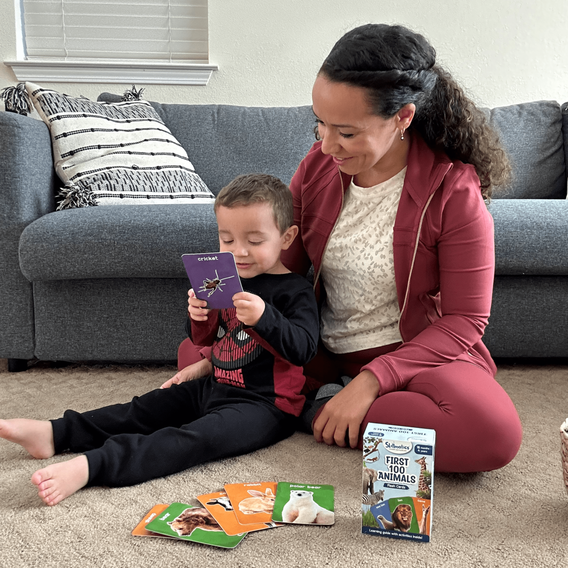
Cards with real-life photos or clear illustrations of objects, actions, and emotions are invaluable. They support language development, vocabulary expansion, and emotional recognition.
Tip: Pair cards with matching objects for a hands-on, multi-sensory learning experience.
See It in Action: Cognitive Play Ideas
Watch this short guide on how to use simple toys for cognitive development.
Social Skills Toys for Toddlers with Autism
Toys that encourage turn-taking, shared attention, and understanding of social roles in a low-pressure setting.
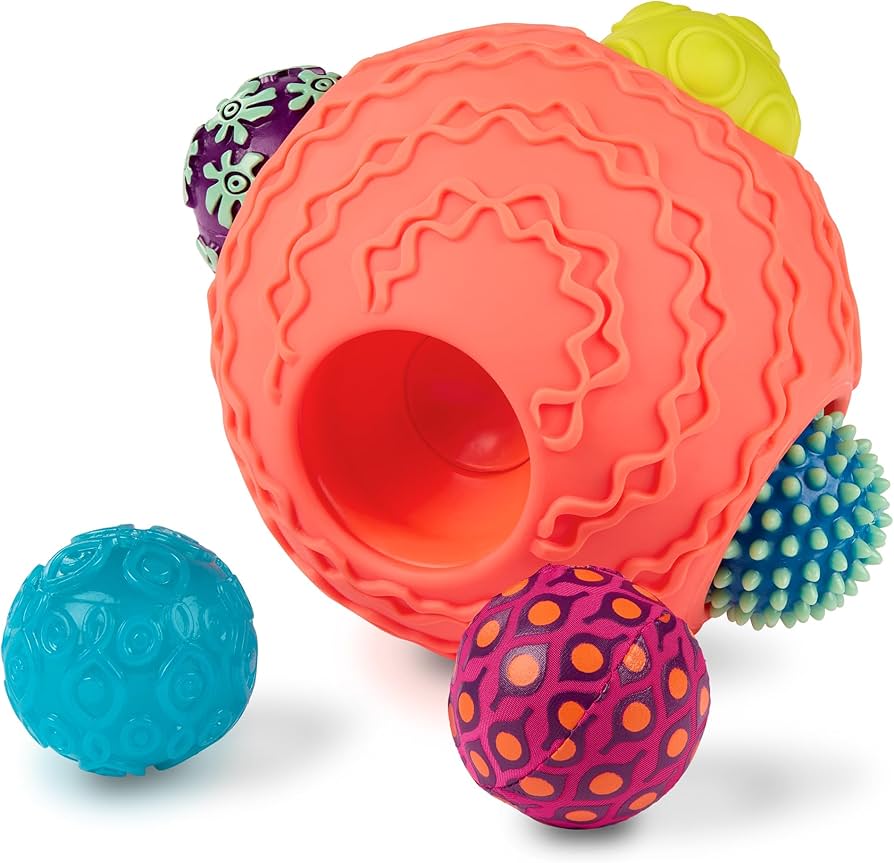
Cooperative Ball Games
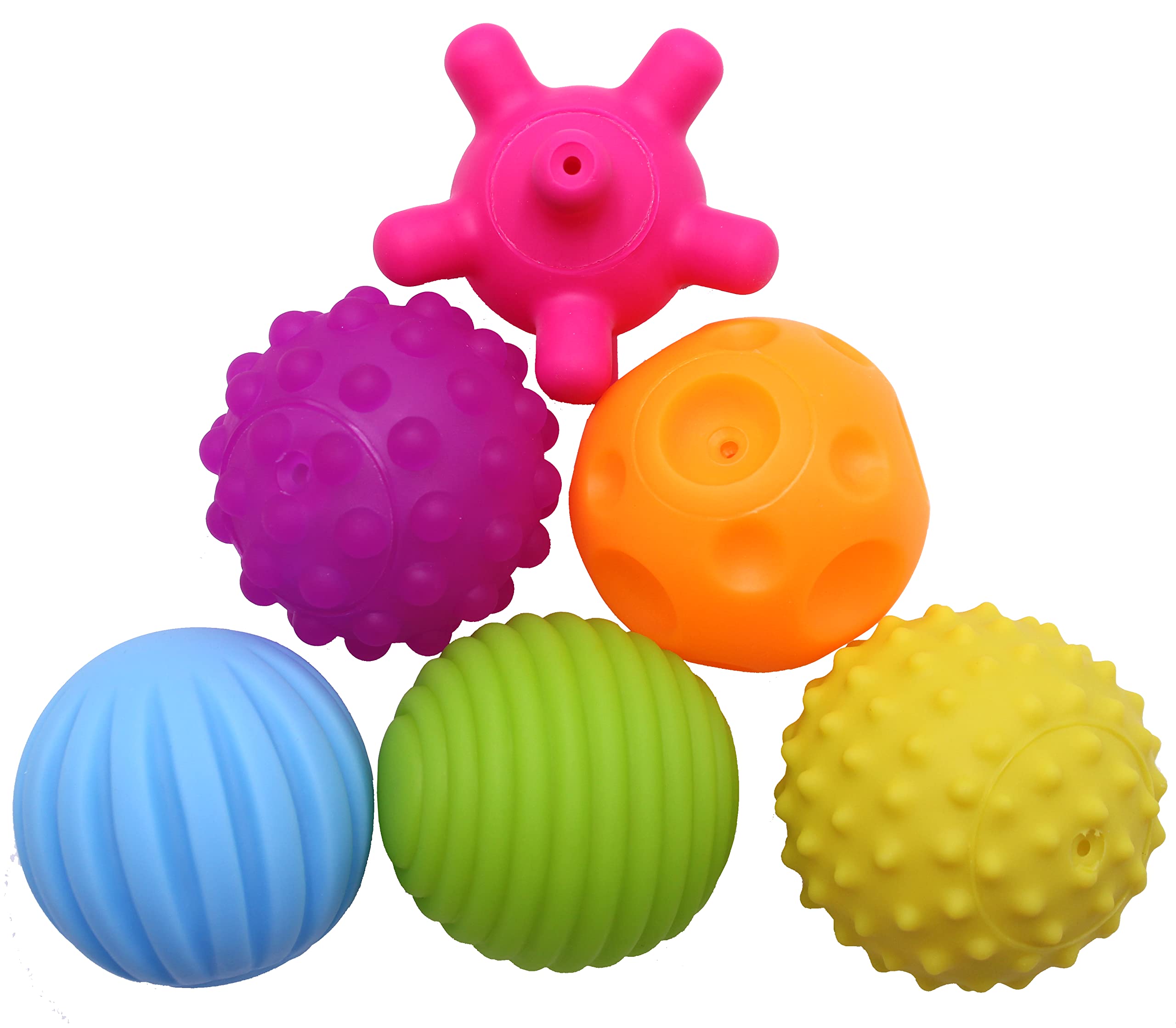
Using soft, textured balls for simple roll-and-catch games promotes joint attention, turn-taking, and non-verbal communication.
Pretend Play Sets
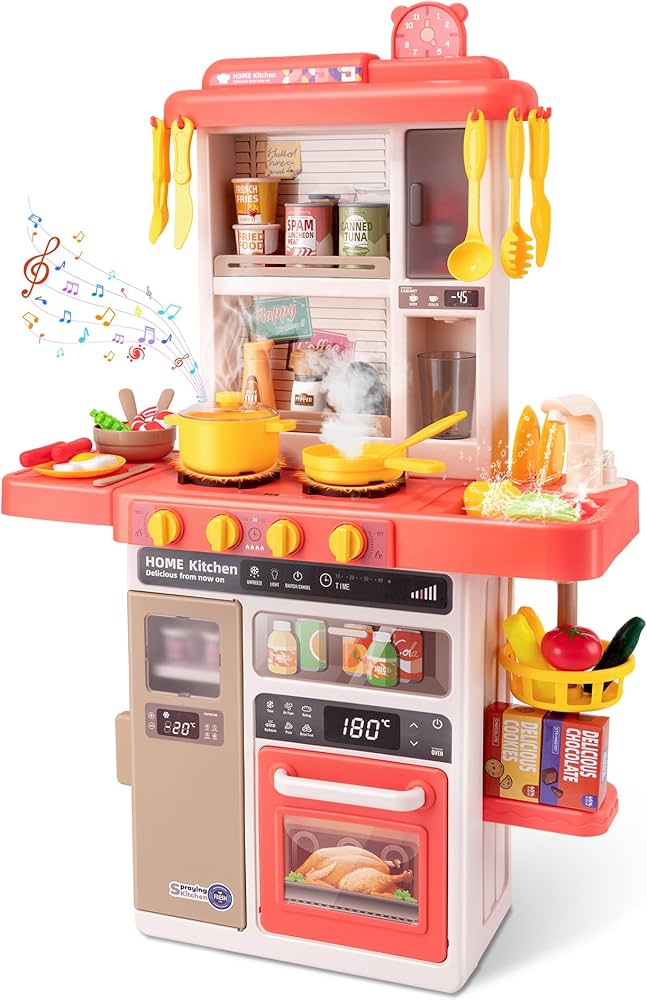
Play kitchens, doctor kits, or dollhouses allow toddlers to imitate social scenarios, practice routines, and explore emotions through familiar roles.
Simple Musical Instruments
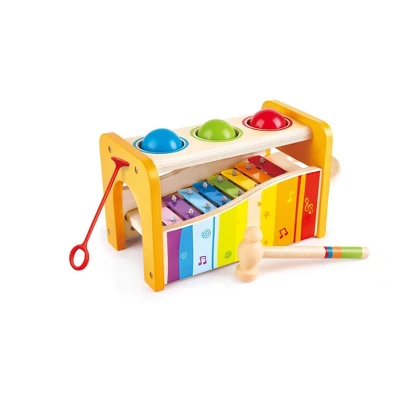
Maracas, drums, or xylophones can be used in call-and-response games, helping toddlers with auditory processing, imitation, and shared enjoyment.
Fine Motor Skills Toys for Autistic Toddlers
Activities that strengthen the small muscles of the hands and fingers, crucial for independence in tasks like dressing and writing.
Beading & Lacing Toys
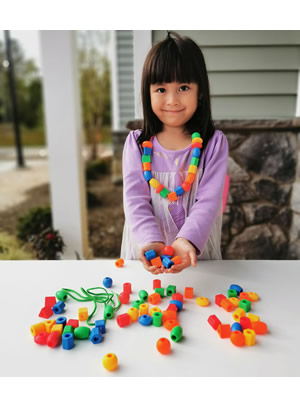
Using large beads or wooden lacing shapes develops pincer grasp, hand-eye coordination, and bilateral coordination.
Adapted Cutting & Art Tools
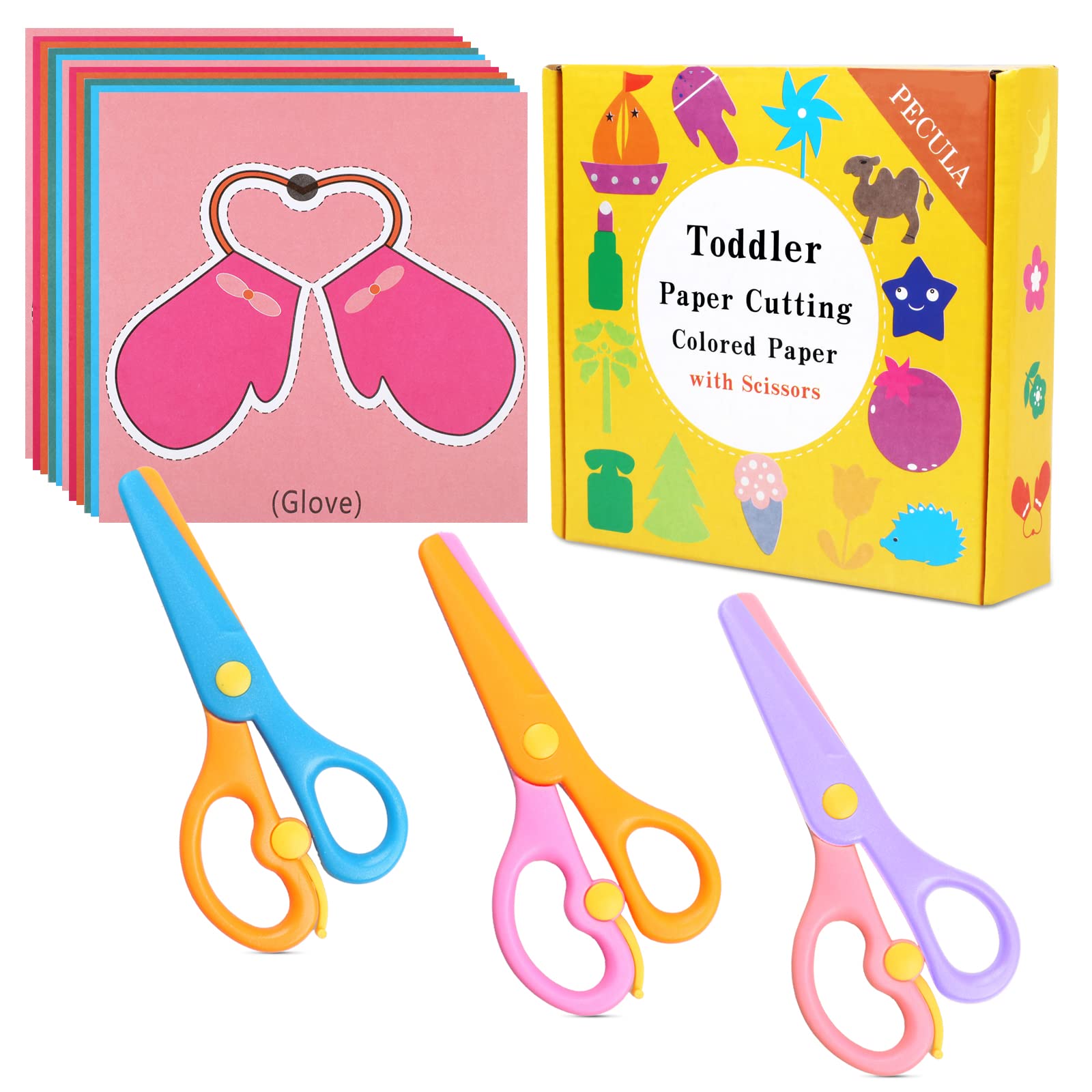
Spring-assisted scissors, chunky crayons, and playdough tools make art accessible. They build hand strength, finger isolation, and tool control.
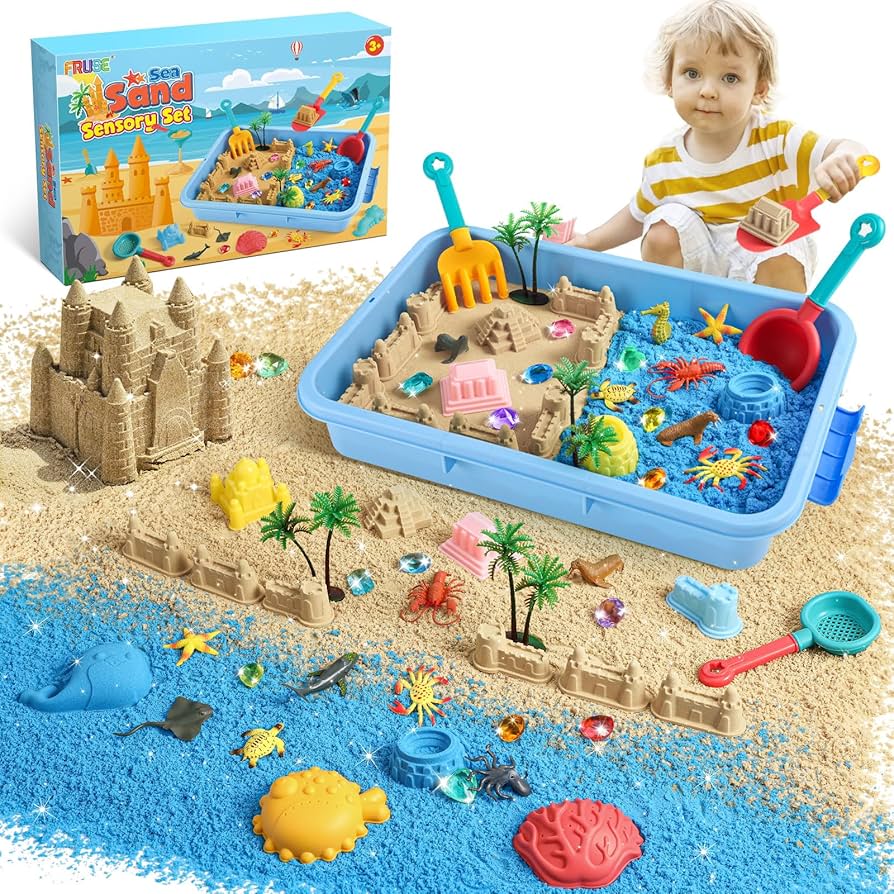
Sensory Bins
Bins filled with rice, beans, or water beads, paired with scoops and tweezers, are excellent for tactile exploration and refining grasp patterns in a contained space.
Common Mistakes Parents Make When Buying Sensory Toys
Buying Toys That Are Too Stimulating
I used to think “more lights, more sounds, more fun.” So I bought flashy toys that beeped, flashed, and moved all at once. The result? My toddler got overwhelmed in minutes. Instead of calm play, we had more meltdowns. When I switched to simpler toys with gentle textures and slower movements, playtime became peaceful instead of chaotic.
Choosing Based Only on Age Labels
At first, I trusted the age label on the box too much. If it said “2+,” I assumed it was perfect. But every child develops differently. Some toys were too easy and boring, others too hard and frustrating. Once I started watching how my child actually played — not just what the box said — I made much better choices.
Ignoring Your Child’s Sensory Preferences
This one was a big lesson for me. I loved bright, colorful toys, so that’s what I bought. But my toddler preferred softer colors and quiet toys. When I stopped choosing based on my taste and started choosing based on *their* reactions, everything changed. Playtime became more focused, calmer, and happier for both of us.
Buying Too Many Toys at Once
I used to go overboard and buy lots of toys at once, thinking more options meant more learning. In reality, my child barely touched most of them. Too many toys caused distraction instead of engagement. Now I rotate a few toys at a time, and my toddler plays longer and deeper with each one. Less really is more.
Frequently Asked Questions
Do sensory toys help autism?
Yes. They support regulation, focus, and emotional comfort — especially when paired with therapy.
Can sensory toys replace therapy?
No. They are a powerful supplement, not a replacement for professional support.
How many sensory toys should a toddler have?
Quality over quantity. 5–10 well-chosen toys are enough.
Support Your Child’s Growth Through Sensory Play
Every autistic toddler is unique. By choosing the right sensory toys, you’re not just buying a product — you’re giving your child tools to feel calm, confident, and capable.
Start small. Follow your child’s lead. Celebrate every step forward. 💙