

Sensory Toys for Autism 5 Year Old: A Practical Guide to Growth Through Play
Discover how the right sensory tools can support language, social skills, focus, and emotional regulation for your preschooler on the spectrum.
Age five is a pivotal year, marking the transition from toddlerhood to the preschool stage. For children with Autism Spectrum Disorder (ASD), this period is full of potential but also comes with unique challenges. As language, social skills, emotional regulation, and focus develop, sensory processing remains a key factor influencing their learning and daily life.
Sensory toys are vital tools that help 5-year-old autistic children understand their world, regulate emotions, and build skills. By providing multi-channel stimulation—touch, sight, sound, proprioception—they offer a safe, controlled, and joyful environment for growth.
Why 5-Year-Old Autistic Children Benefit from Sensory Toys
At five, children begin moving from self-centered play to understanding rules and others. Autistic children often show:
Common Challenges at Age 5
- Increasing verbal expression but persistent social difficulties
- Heightened or dulled responses to environmental stimuli
- Significant emotional fluctuations and poor self-regulation
- Improving but still fragile attention spans
How Sensory Toys Help
- Stabilize Emotions: Provide a calming, predictable outlet.
- Extend Focus: Engage interest to build concentration.
- Develop Motor & Cognitive Skills: Encourage hands-on learning.
- Support Language & Interaction: Act as a bridge for communication.
Understanding Sensory & Behavioral Traits
Every child is unique, but many 5-year-olds with autism share common sensory profiles:
Understanding these traits helps us choose effective toys—not just accumulate unused items.
Key Benefits of Sensory Toys for 5-Year-Olds with Autism
1. Emotional Regulation & Self-Soothing
Soft, squeezable, rhythmic toys help calm anxiety and frustration.
2. Language & Social Skills
Toys encourage turn-taking, imitation, and simple interaction.
3. Fine Motor & Coordination
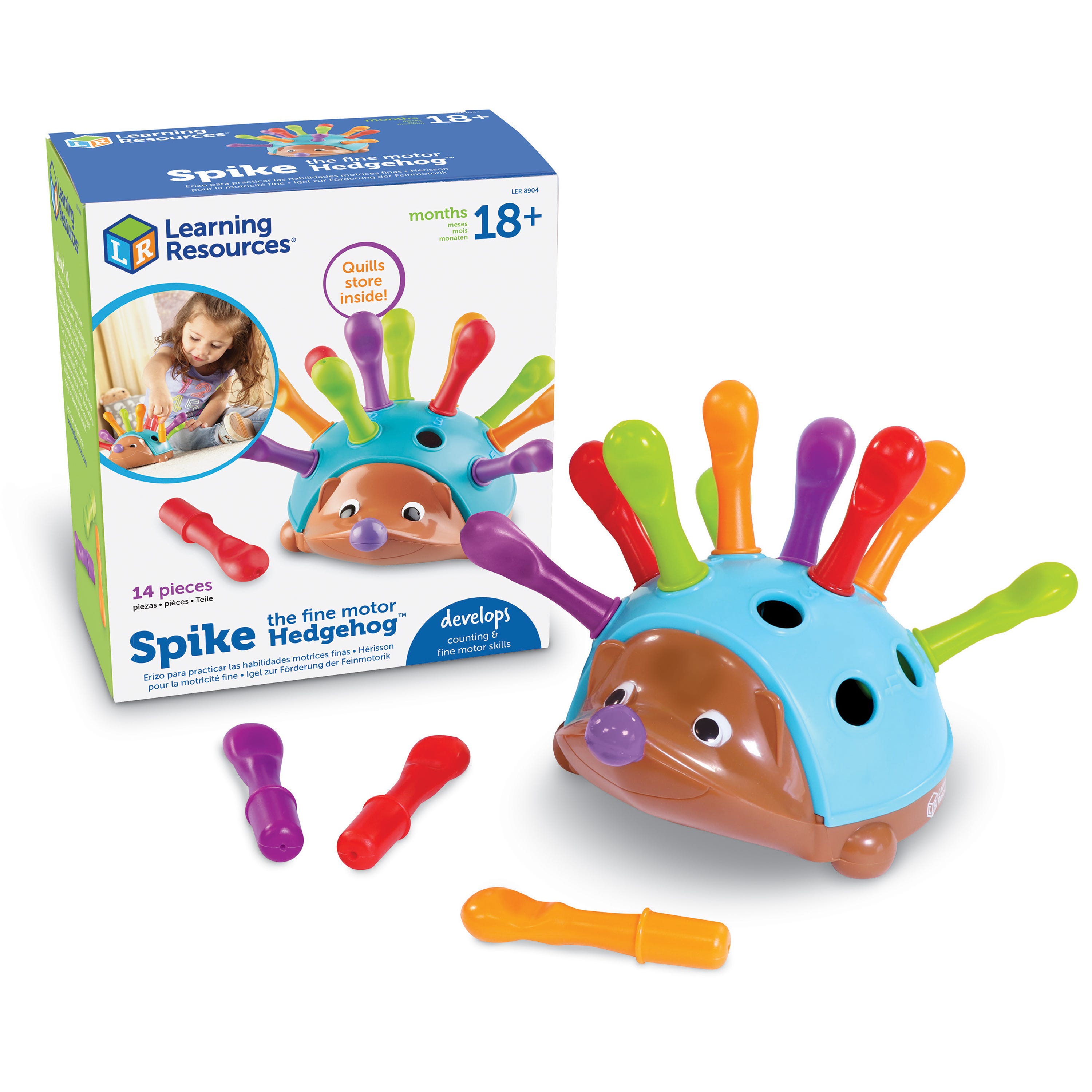
Poking, lacing, pressing toys build hand strength and control.
4. Rule-Following & Cognition
Sorting, sequencing toys teach "beginning-middle-end" concepts.
Best Sensory Toys for a 5-Year-Old with Autism
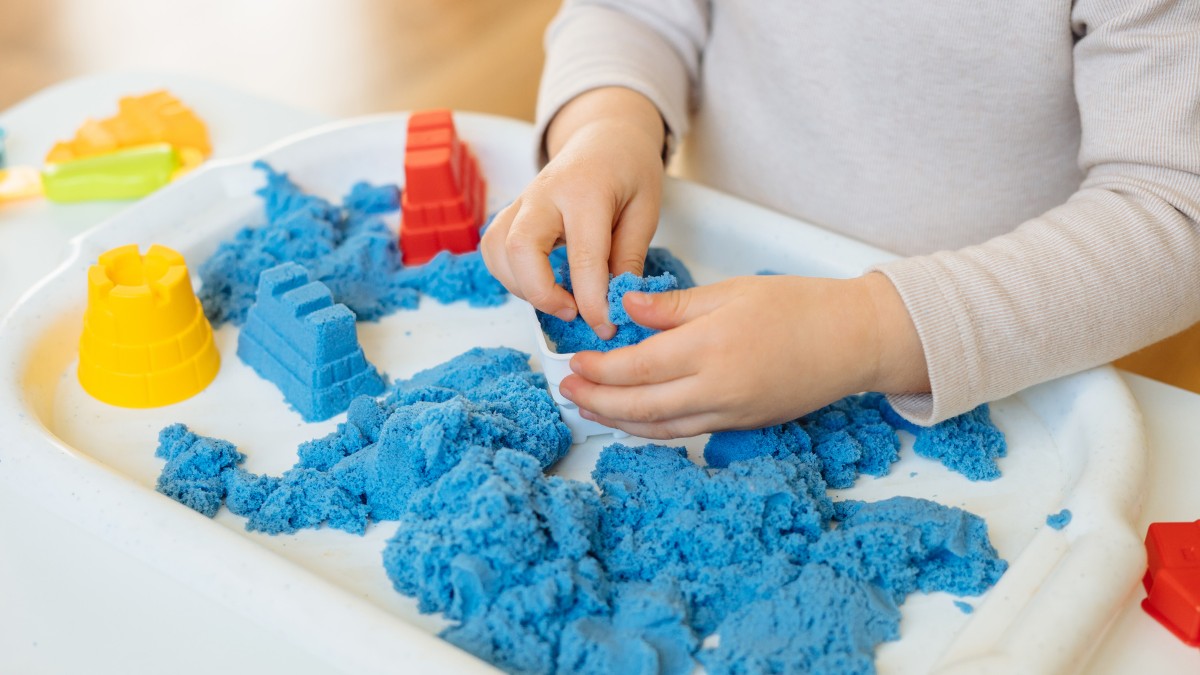
Tactile Sensory Toys
Ideal for children who love to squeeze, pull, and explore textures.
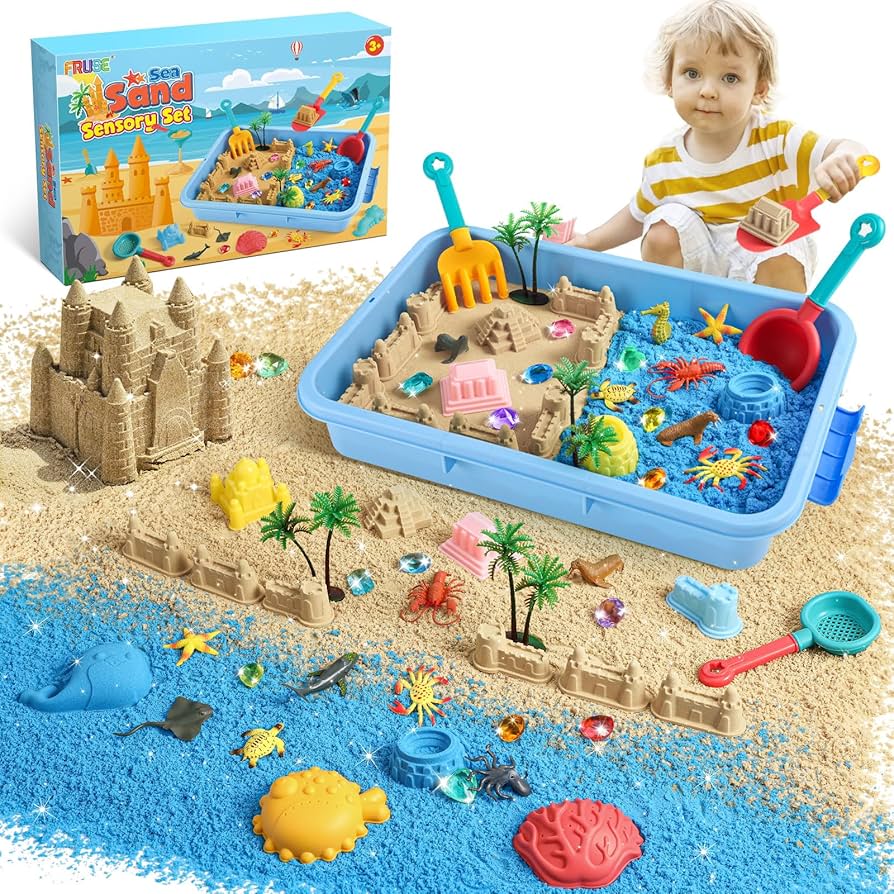
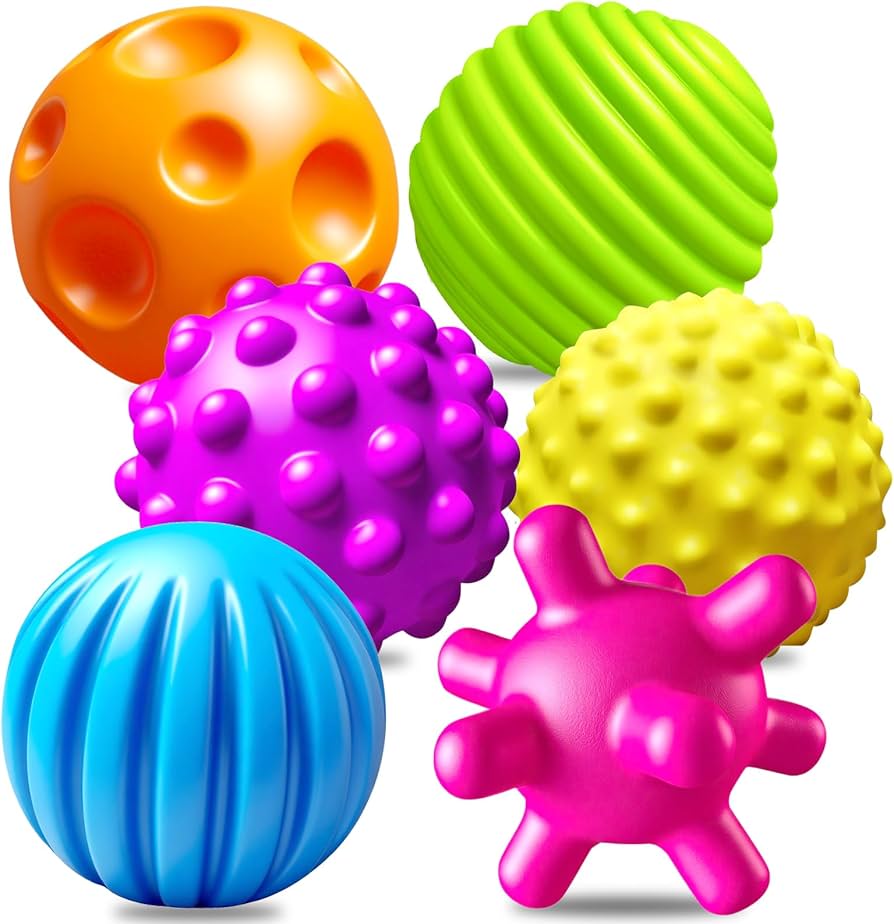
- Kinetic Sand & Sensory Bins: For molding and digging.
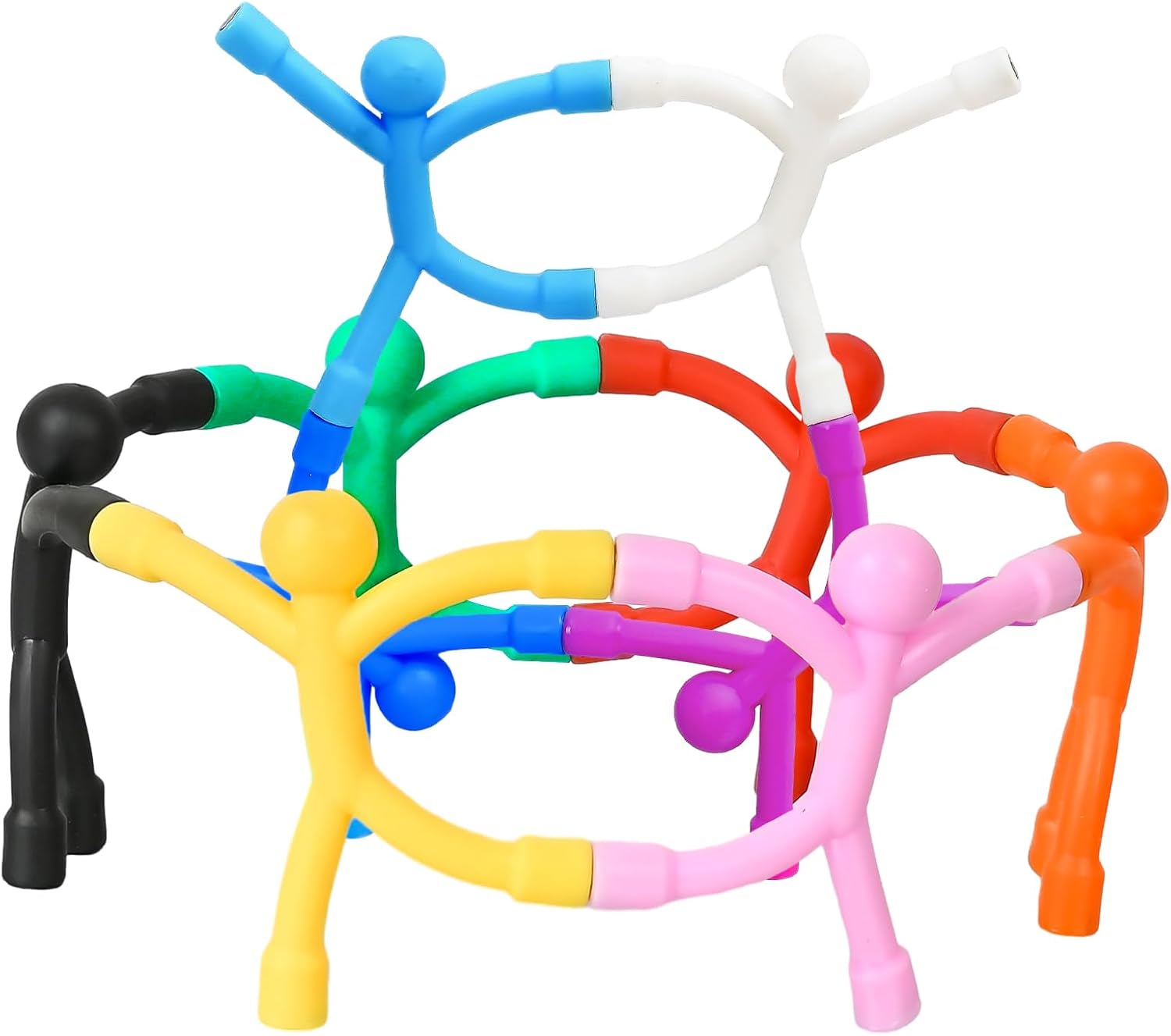
- Stress Balls & Stretch Toys: For hand strength and calming.
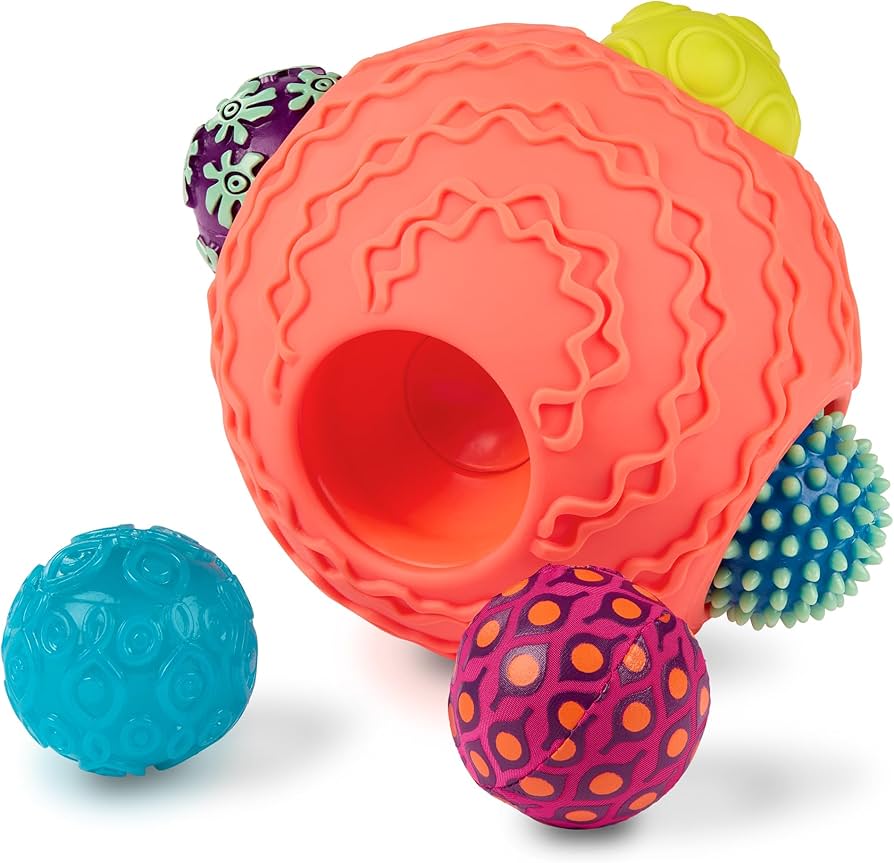
- Texture Boards & Fabric Puzzles: For tactile discrimination.
Primary Benefit: Reduces anxiety, improves tactile tolerance, and provides deep pressure input.

Visual Stimulation Toys
Perfect for kids fascinated by colors, patterns, and movement.
- Liquid Motion Bubblers & Lava Lamps: Captivating, slow-moving visuals.
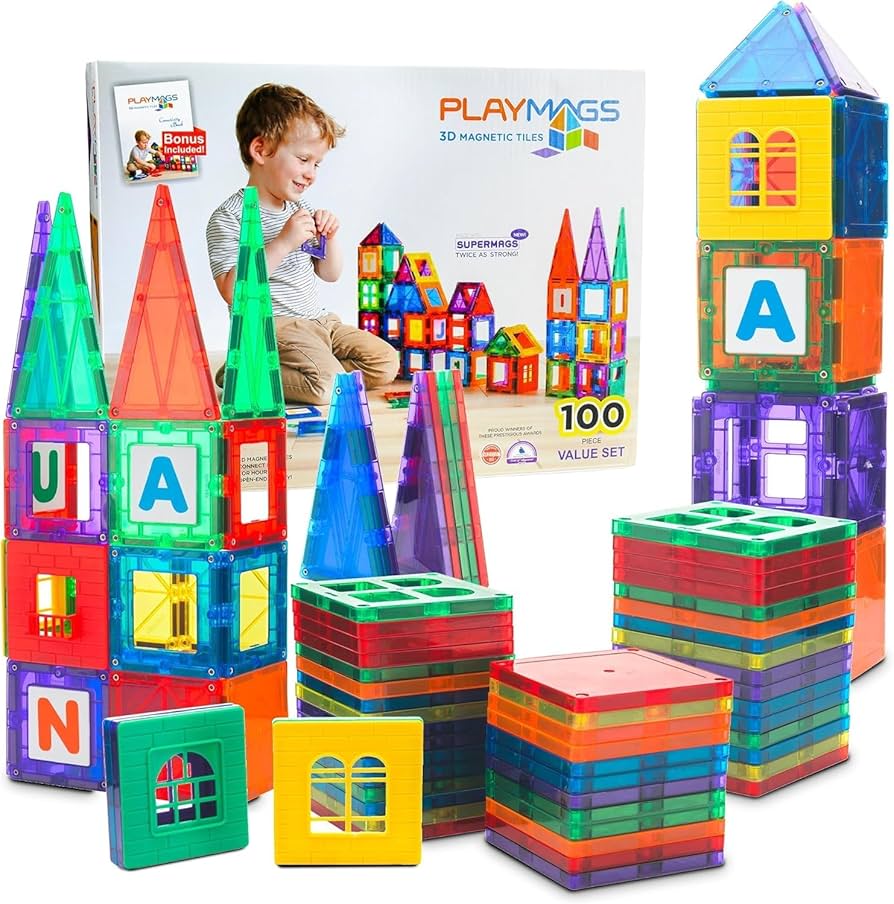
- Color Sorting Games & Rainbow Stackers: Builds categorization skills.
- Simple Puzzles (20-30 pieces): Enhances visual-spatial reasoning.
Primary Benefit: Improves visual tracking, attention to detail, and calm focus.
Auditory Sensory Toys
Designed for children who seek or respond to rhythm, pitch, and controlled sounds.
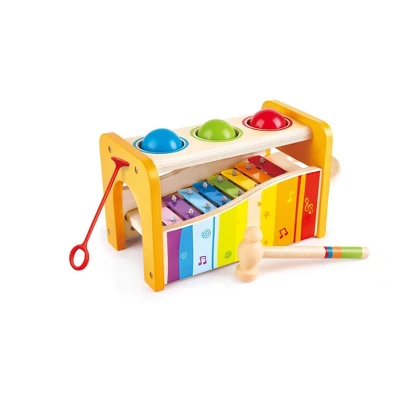
- Xylophones, Hand Drums, & Gentle Chimes: For creating predictable sounds.
- Music Buttons & Recordable Sound Toys: For cause-effect learning.
- Echo Microphones & Voice-Activated Toys: Encourages vocalization.
Note: Choose toys with adjustable volume and avoid sudden, loud noises.
Proprioceptive & Movement Toys
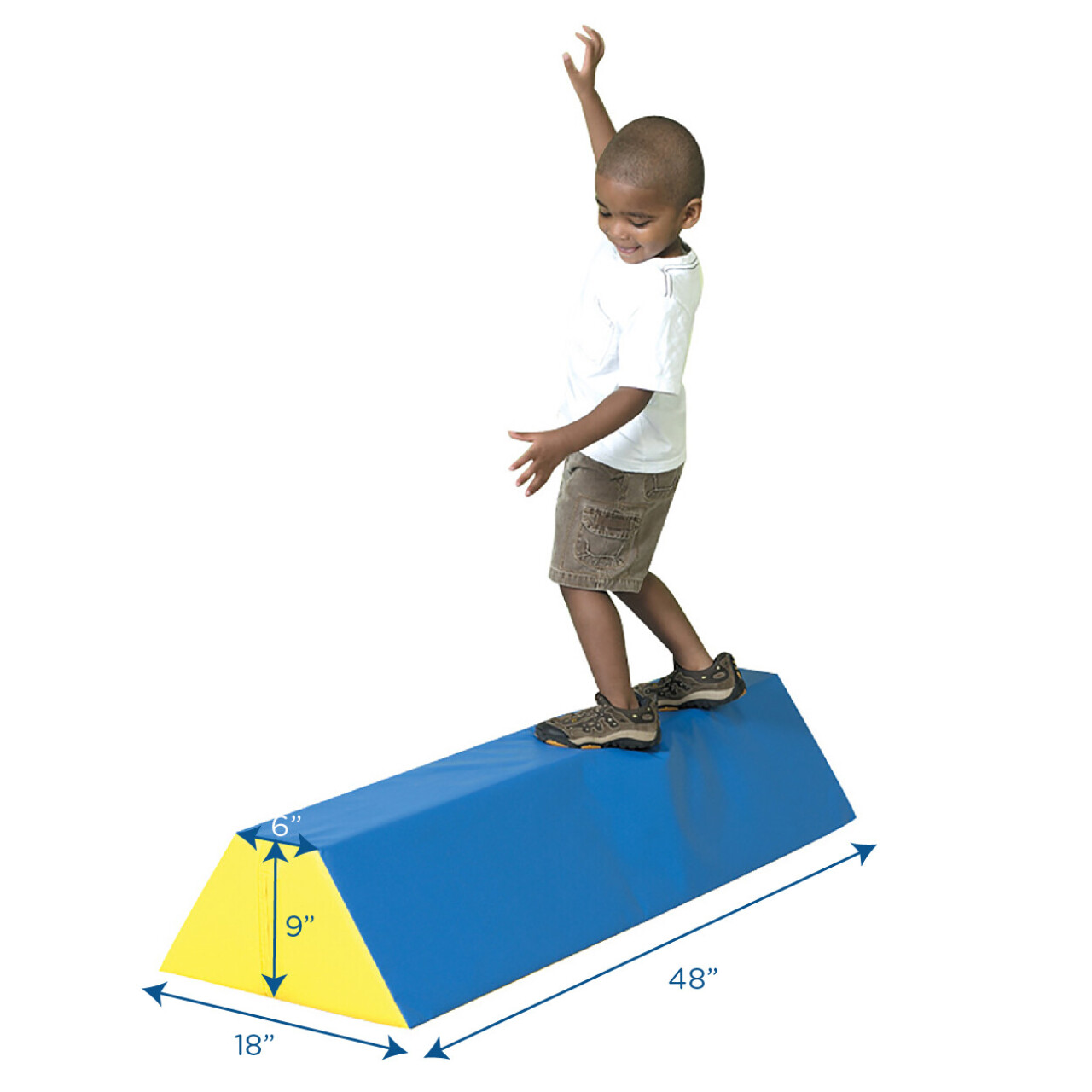
Helps children understand body position and movement.
- Indoor Balance Beams
- Mini Trampolines & Crash Pads
- Soft Throwing & Catching Sets
Benefit: Releases energy, improves coordination, and enhances body awareness.
Focus & Cognitive Training Toys
Advanced learning tools for the 5-year-old mind.
- Multi-piece Puzzles (40-50 pieces)
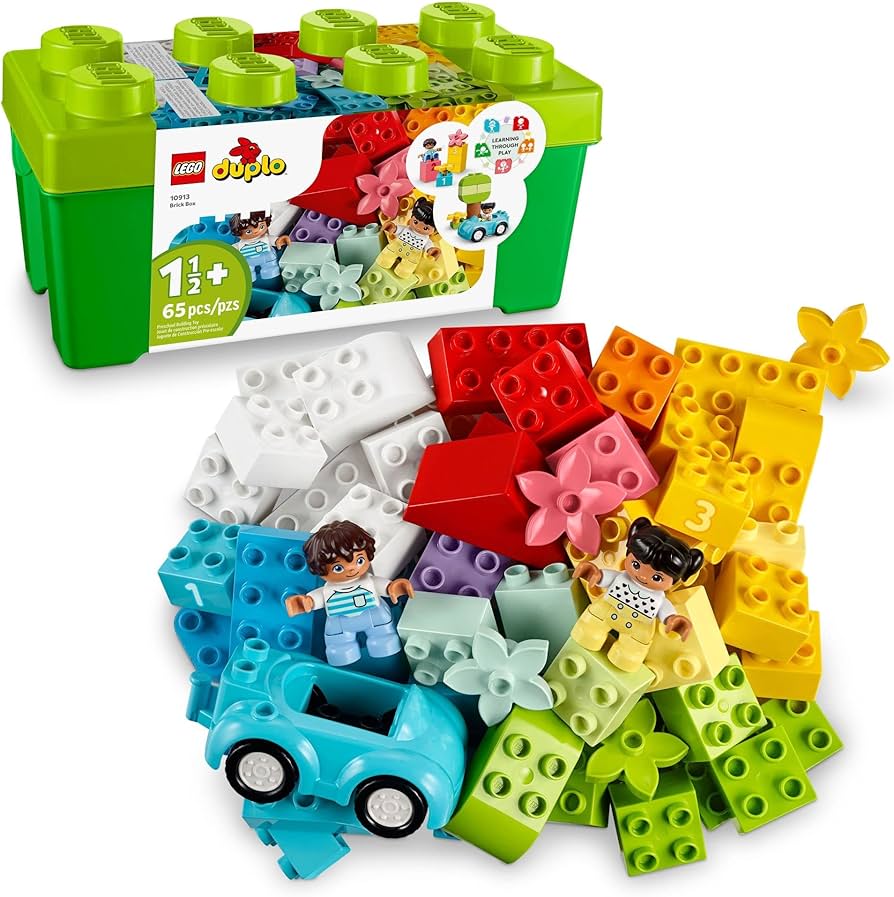
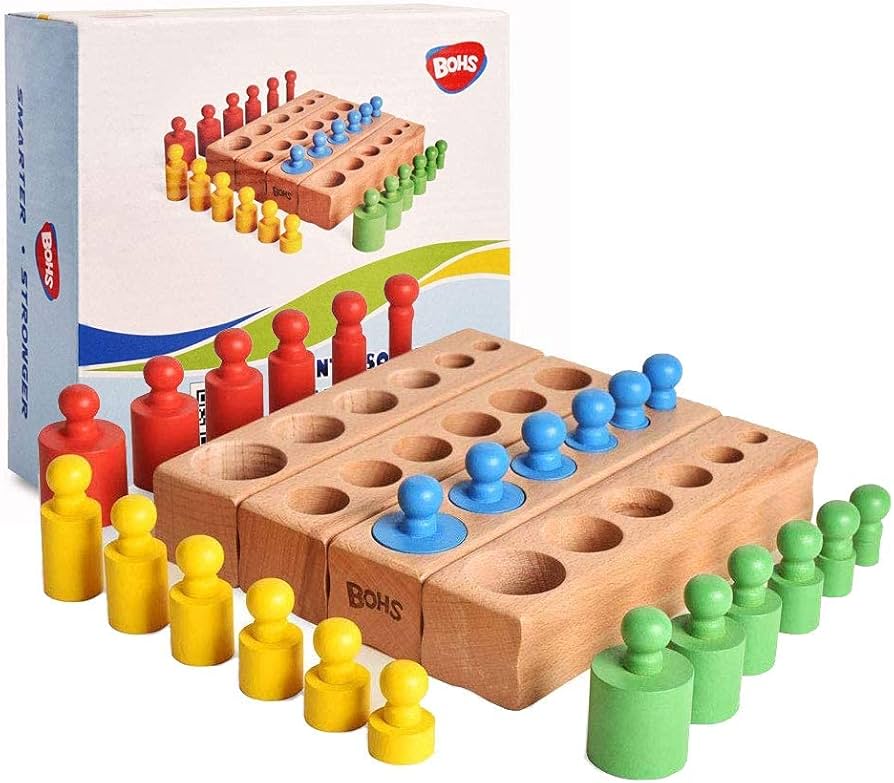
- Logic Sorting Boxes & Pattern Blocks
- Simple Turn-taking Board Games
Benefit: Extends attention span, builds problem-solving and sequential thinking.
How to Choose & Use Sensory Toys for Your 5-Year-Old
4 Principles for Choosing the Right Toy
Safety First
Non-toxic, no small detachable parts, durable for chewing or throwing.
Match Sensory Preferences
Observe if your child is tactile-seeking, visual, auditory, or a mover.
Appropriate Challenge Level
Slightly above current ability to encourage growth without frustration.
Promote Interaction
Toys that encourage turn-taking or cooperative play add social value.
Practical Tips for Parents & Teachers
- ✓ Establish a Routine: Designate 10-30 minutes daily as "sensory play time" for predictability.
- ✓ Use Play to Teach Rules: Model phrases like "Your turn," "Wait," and "Let's do it together."
- ✓ Observe and Adapt: Note which toys increase calmness, focus, or engagement.
- ✓ Gradually Introduce Social Play: Start with solo exploration, then join in, then invite a peer.
Creating a Sensory-Friendly Space
At Home: Designate a "sensory corner" with a mat, storage bins, and favorite toys for self-regulation.
In School: Incorporate sensory breaks and small-group sensory activities into the daily schedule.
Common Mistakes & What to Do Instead
❌ More Toys = Better Results
Overwhelming choices can lead to disengagement.
✅ Focus on a few high-quality, preferred toys.
❌ Stronger Stimulation is More Effective
Overstimulation can trigger anxiety or meltdowns.
✅ Observe and match the child's sensory threshold.
❌ Toys Replace Human Interaction
Toys are tools, not substitutes for connection.
✅ Use toys as a medium for engaged, playful interaction.
❌ Ignoring the Child's Lead
Forcing a specific play pattern can cause resistance.
✅ Follow the child's interest to build engagement and trust.
Conclusion: Growing Together Through Play
Sensory toys are not a magic cure for autism, but they are powerful bridges that support the growth of a 5-year-old on the spectrum. They provide a safe, predictable, and joyful context for developing skills, regulating emotions, and building confidence.
The real change comes not from the toy, but from:
In play, the child learns the world.
In陪伴 (accompaniment), the world embraces the child.