Top Rated Sensory Toys on Amazon for Children and Adults

Our expert-selected sensory toys with direct Amazon links for easy purchasing.

Amazon's Choice Prime Eligible Verified Reviews
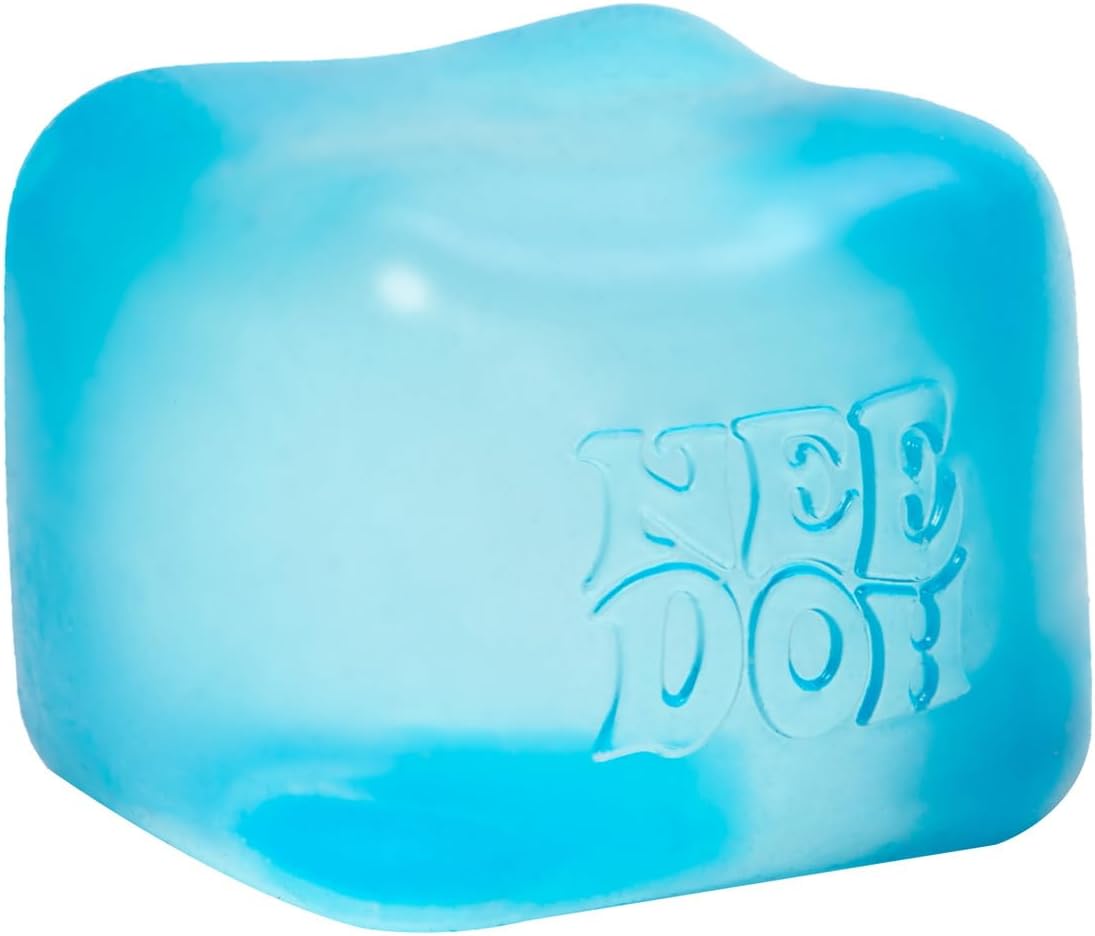
Schylling NeeDoh Nice Cube - Sensory Squeeze Toy
#1 Best Seller

Schylling NeeDoh Nice Cube - Sensory Squeeze Toy with Super Solid Squish

4.3 (3,633 reviews)

Fun to squeeze, squish, and stretch in your hands. This squish sensation feels soft when slow squished and firm when fast squished. Bright, eye-catching colors that look as good as they feel. Measures 2.25" cube. Ages 3+

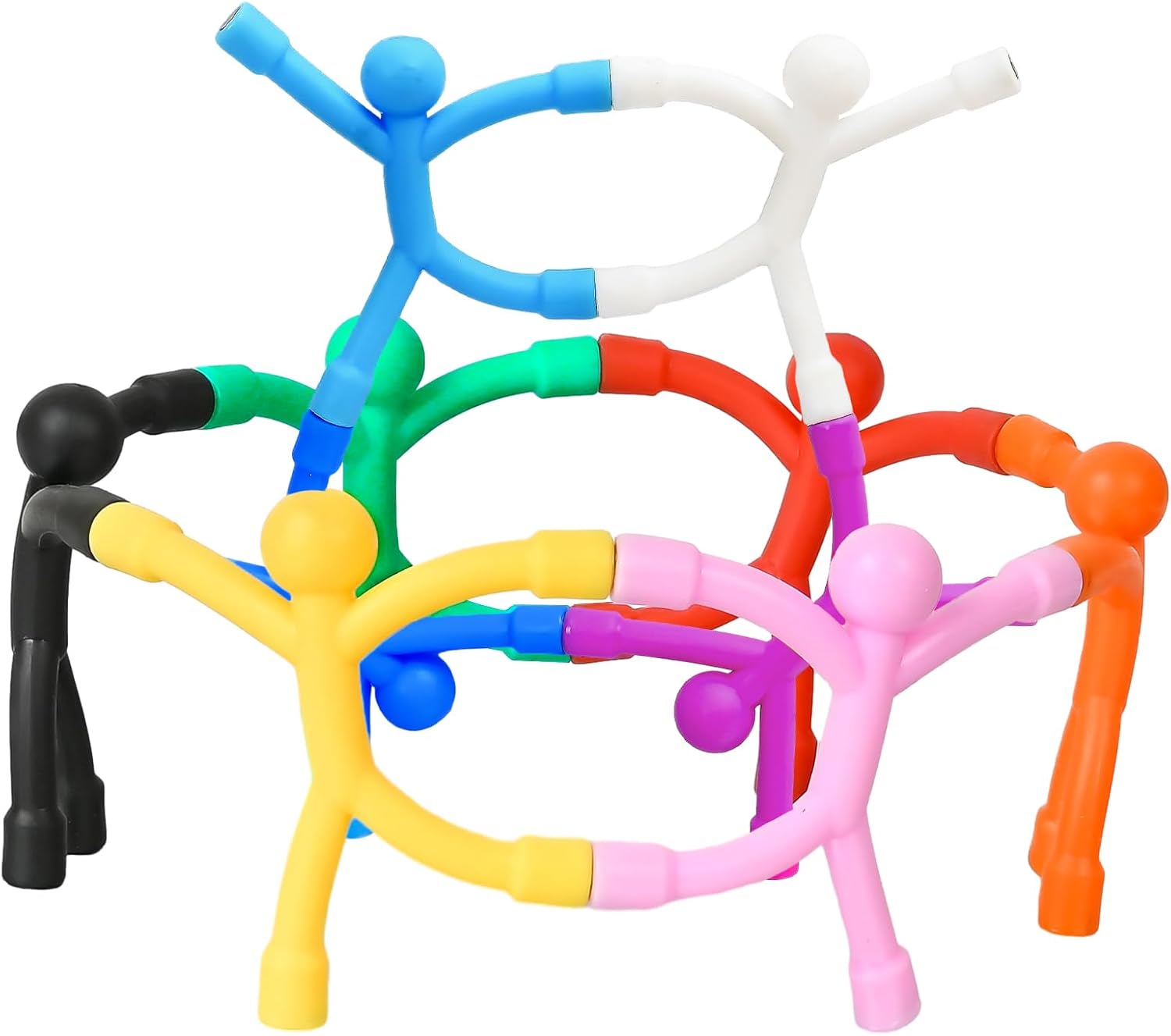
Magnetic Travel Toys for Toddlers Kids - Fidget Toys Airplane Car Travel Activities
Overall Pick

Magnetic Travel Toys for Toddlers Kids, Fidget Toys Airplane Car Travel Activities

4.6 (22 reviews)

This humanoid magnet is made of high quality Silicone and magnets. There are 4 durable magnets built into the arms and legs of the toy, and the body is bendable and resistant to deformation and color fading. Small, silent, contain no electronic screens and easy to carry around, a must-have toy for kids traveling, as well as everyday restaurant toys, airplane toys, car toys and church toys.

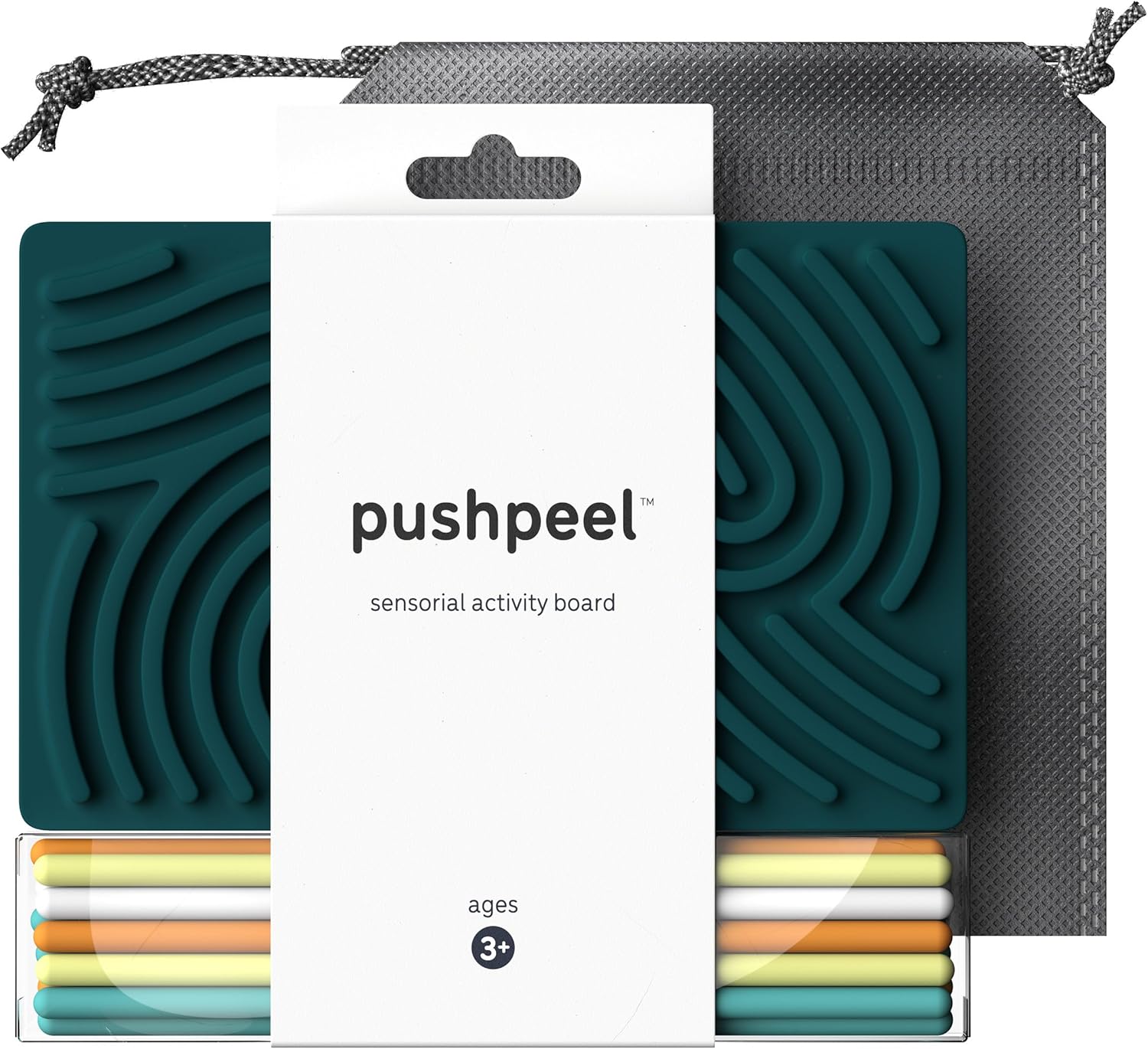
Sensory Activity Board: Silicone Fidget Toy for Calming, Stress, Anxiety, ADHD & Autism
Amazon's Choice

Sensory Activity Board: Silicone Fidget Toy for Calming, Stress, ADHD & Autism

4.7 (1,206 reviews)

Screen-free peace with patented design offering a quiet, clean, screenless alternative for keeping kids occupied. Features premium non-toxic silicone board with 11 vibrantly colored strings and portable travel bag. Perfect for individuals with Autism, ADHD, ADD, and OCD, providing stress relief and cognitive development.

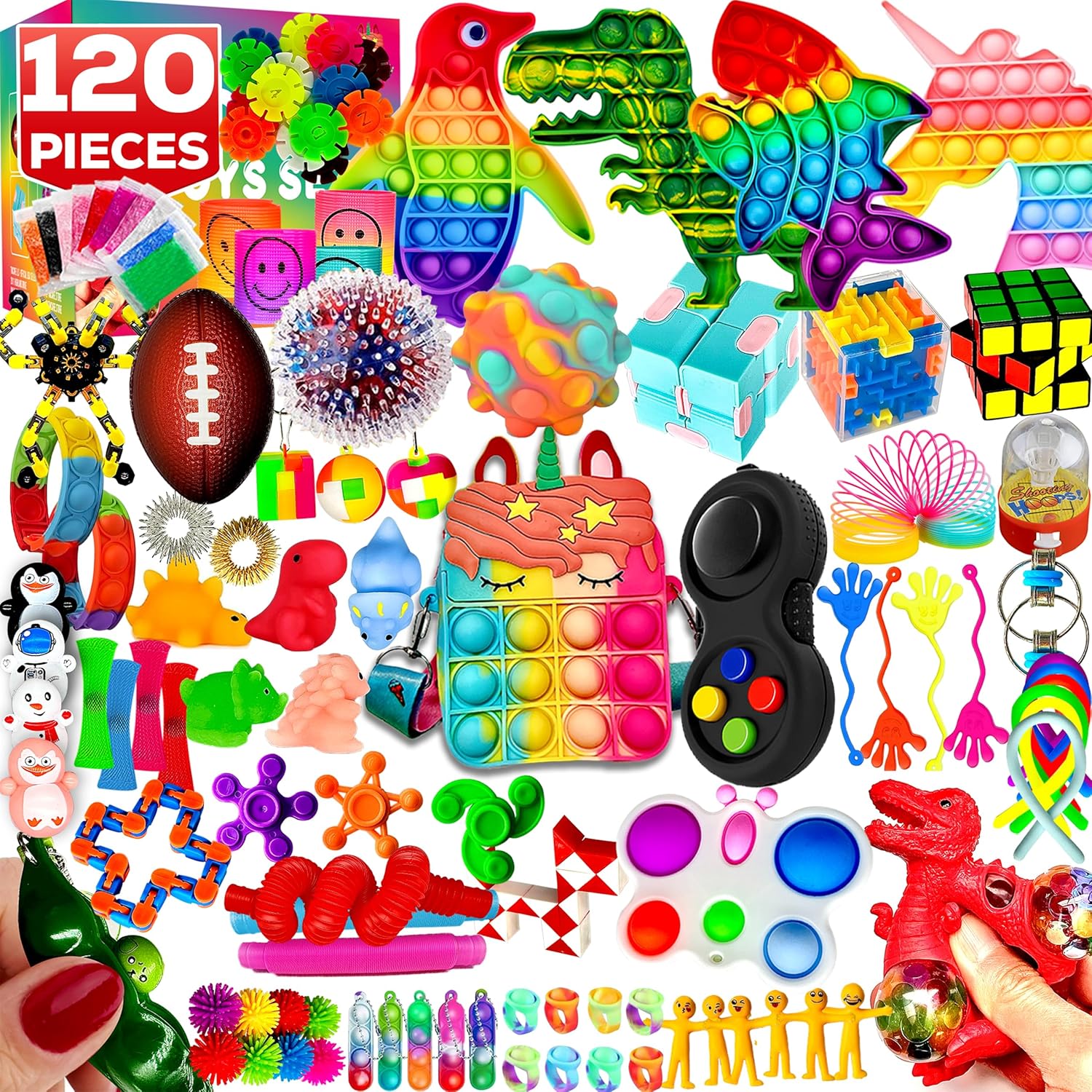
120 Pcs Fidget Toys Pack, Pop Sensory Party Favors Set Gifts for Kids Adults
Amazon's Choice

120 Pcs Fidget Toys Pack, Pop Sensory Party Favors Set Gifts for Kids Adults

4.6 (1,709 reviews)

Set of 120 fidget toys including 4 poppers, 2 squishy balls, 2 stress balls, 4 sticky hands, 4 spinners, 1 infinity cube, 2 sensory rings, 1 flippy chain, 5 dino squishies, 2 pop bracelets, 10 slimes, 1 snake cube, 6 monkey noodles, 1 unicorn pop purse, 1 dimple, 1 pea popper, 4 springs, 1 wacky track, 3 puzzle cubes, 6 stretchies, 6 spike balls, 4 marble & meshs, 1 rubik, 1 maze puzzle, 1 basketball machine, 4 penguin wobblers, 3 pop tubes, 8 pop rings, 1 controller pad, 5 keychains, 25 building blocks. Superior quality with CPC Children Safety Certificate, ASTM F963-16/17 and CPSIA standards.

Sensory Toys for Autism: A Practical Guide for Your 4-Year-Old

The age of four is a crucial developmental stage. For children with Autism Spectrum Disorder (ASD), this period often involves unique needs in language, emotion, social interaction, and sensory processing. Sensory toys have become vital tools for many families and therapists in this context.

Sensory toys are more than just "toys." They provide visual, auditory, tactile, and proprioceptive stimulation, helping children better understand the world, regulate emotions, and build essential skills. This guide will explore the sensory profile of a 4-year-old with autism, the benefits of sensory toys, common types, and key considerations for parents.

Reviewed for Accuracy

This article is based on current understanding of sensory processing differences in Autism Spectrum Disorder (ASD), informed by guidance from the American Academy of Pediatrics (AAP), occupational therapy (OT) practice standards, and peer-reviewed research on sensory integration.

Content reviewed by a pediatric occupational therapy consultant. This guide is for educational purposes only and does not replace individualized medical or therapeutic advice.
Understanding Sensory Needs in 4-Year-Old Autistic Children

Children with autism often process sensory information differently. Some are hypersensitive to sounds, lights, or textures, while others are hyposensitive and seek more intense input to register sensation.

Common Sensory Characteristics at Age 4:

  • Auditory Sensitivity: Easily startled or distressed by specific sounds.
  • Tactile Defensiveness: Dislikes being touched or only tolerates specific textures.
  • Visual Seeking: Fascinated by colors, spinning objects, or flashing lights.
  • Repetitive Movements: Engages in rocking, hand-flapping, or spinning.
  • Emotional Regulation: May have a short attention span and experience rapid mood swings.

Because of these unique profiles, typical toys often fall short. Sensory toys are designed to provide targeted, supportive input that aligns with a child's neurological wiring.

Core Benefits of Sensory Toys for 4-Year-Olds with Autism

The value of sensory toys extends far beyond just "calming a child down." They play a multifaceted role in development.

Emotional Regulation & Calming

Soft, squeezable, and rhythmically slow toys may support emotional regulation and help children practice calming strategies when guided appropriately.

Fine Motor & Coordination

Toys involving pinching, lacing, and pressing build hand strength and improve hand-eye coordination.

Focus & Cognitive Skills

Toys that require observation, sorting, and matching help extend attention span and build cognitive foundations.

Language & Social Growth

Interactive play with a parent or peer can encourage imitation, turn-taking, and simple communication.

Best Sensory Toys for a 4-Year-Old with Autism

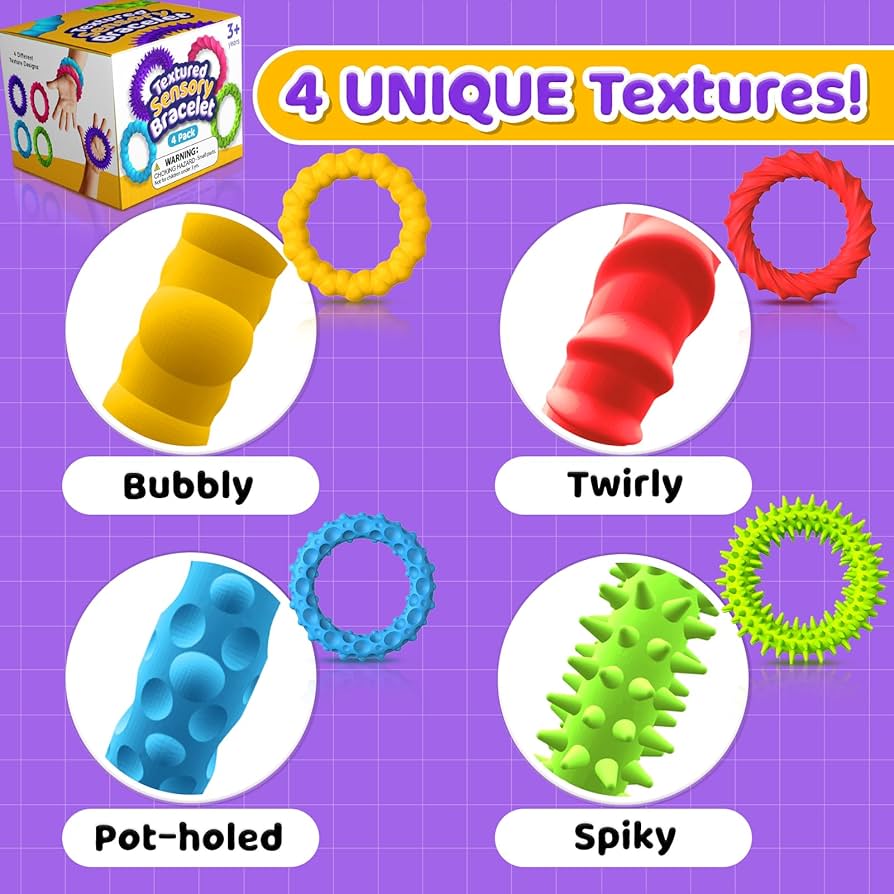
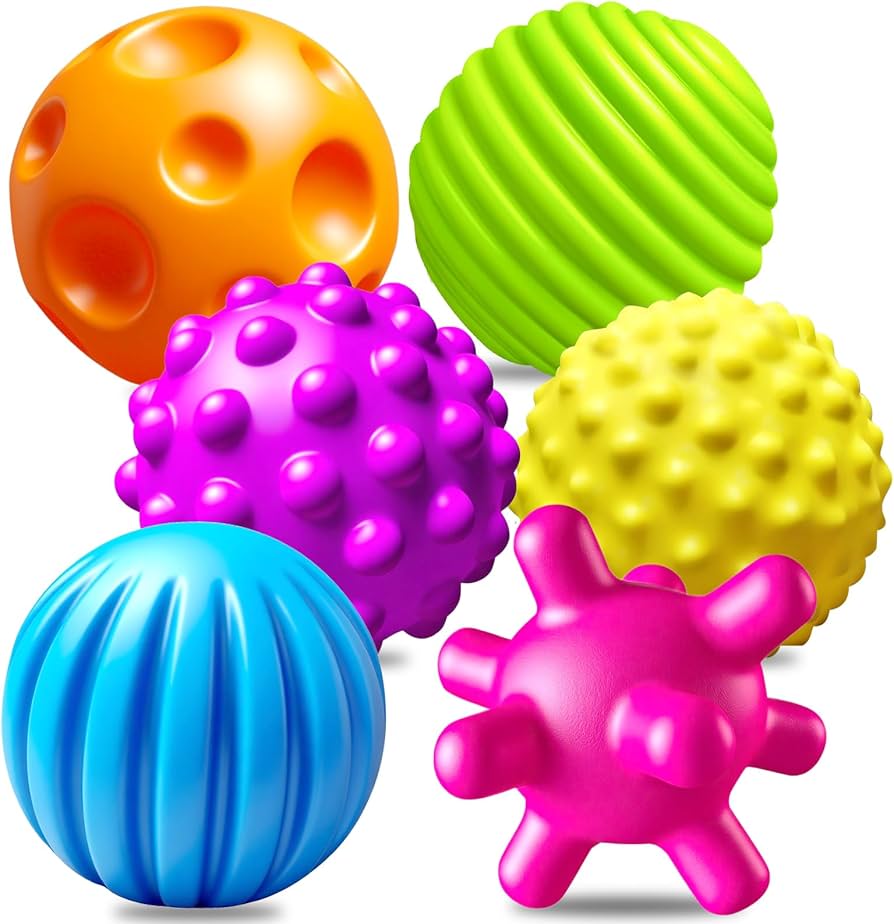
A collection of tactile sensory toys including textured balls and fidgets

Tactile Sensory Toys

Tactile input is crucial for many autistic children, helping them explore textures and self-regulate.

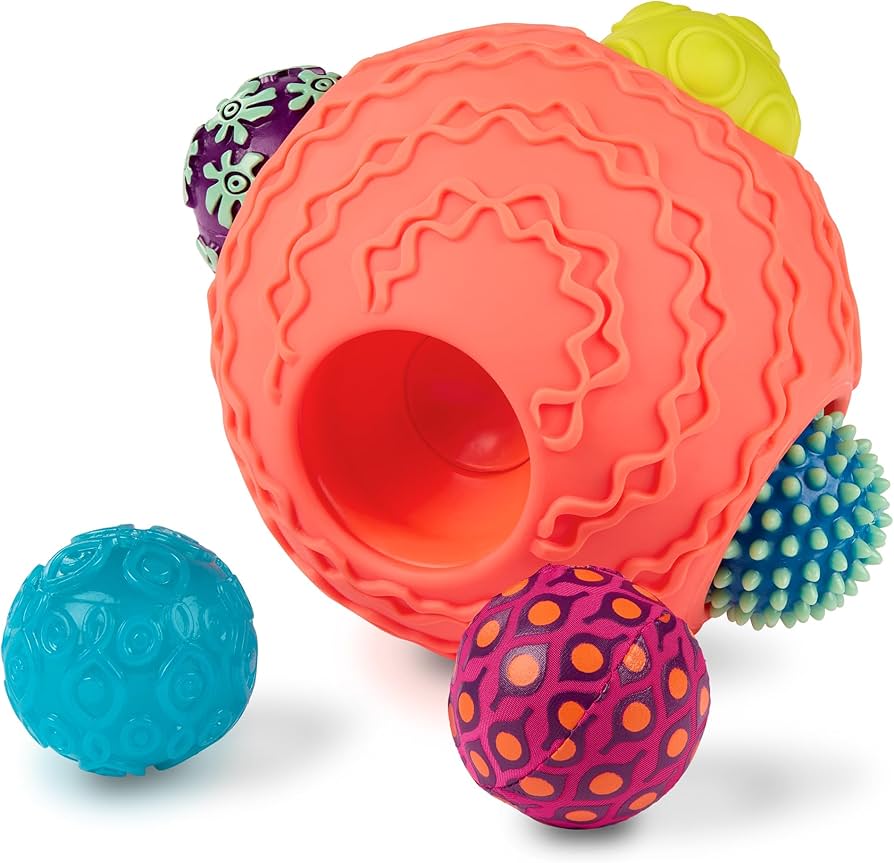
  • Textured Sensory Balls: With nubs, bristles, or soft silicone.
  • Fabric Books & Touch-and-Feel Panels: For gentle tactile exploration.
  • Stretch Toys & Squeeze Balls: Ideal for stress relief and hand strengthening.
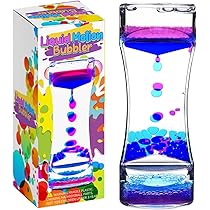
A child watching a colorful liquid motion bubbler

Visual Stimulation Toys

These toys provide predictable, engaging visual input for children who are visually seeking.

  • Slow-Motion Sand Timers & Liquid Bubblers: Hypnotic and calming.
  • Projection Night Lights & Color-Changing Lamps: Create a soothing ambiance.
  • Spinning Tops & Visual Wheels: Offer captivating, repetitive motion.

Visual Calming Demo:

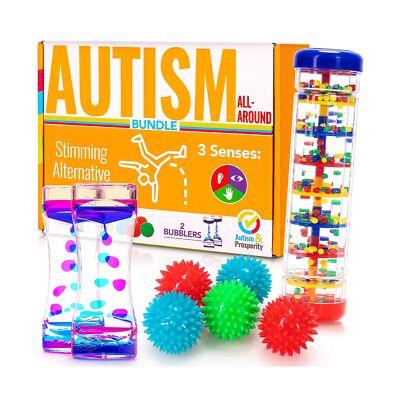
Gentle auditory toys like a music box and a rainmaker

Auditory Sensory Toys

Designed to provide gentle, controlled sound input for children who are sensitive to noise.

  • Wind-Up Music Boxes: Predictable, melodic tunes.
  • Sound Machines & Rainmakers: Produce calming nature sounds.
  • Simple Instruments: Like egg shakers, tone blocks, or a small keyboard with volume control.

Note: Avoid loud or sudden noises. Always prioritize toys with adjustable volume.

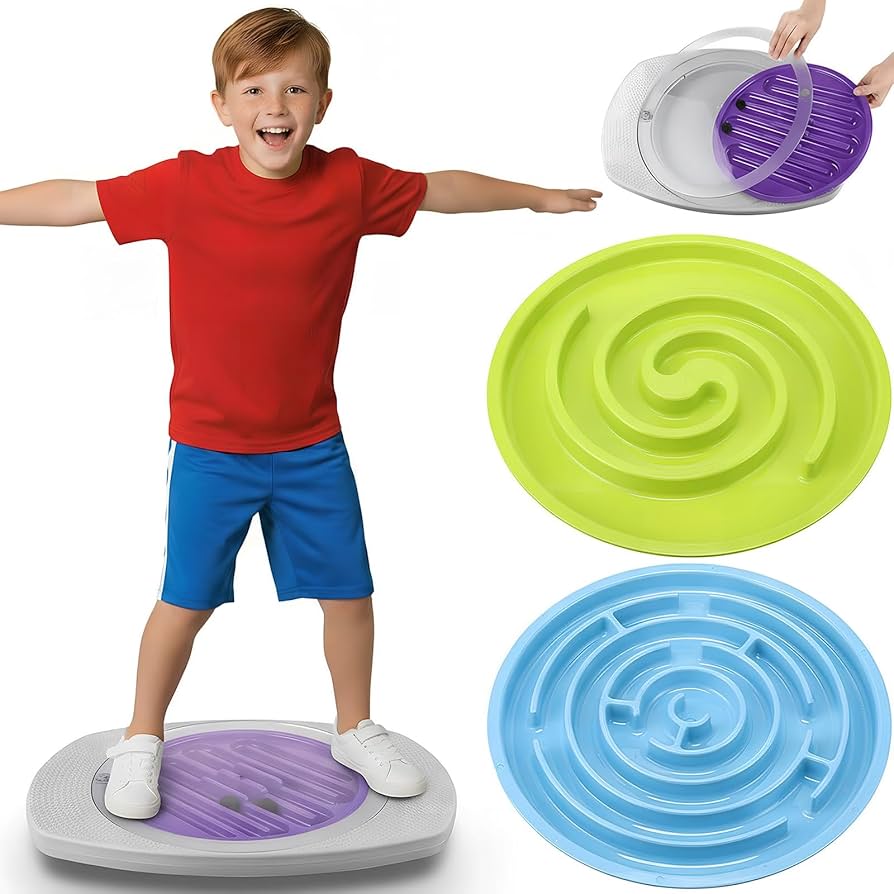
A child using a wobble balance board for proprioceptive input

Proprioceptive & Gross Motor Toys

These toys provide deep pressure and joint input, improving body awareness, balance, and security.

  • Wobble Balance Boards & Rocking Boards: Excellent for core strength and vestibular input.
  • Hop Balls & Crash Pads: For safe jumping and controlled crashing.
  • Indoor Swings & Mini Trampolines: (With supervision) Provide powerful movement input.
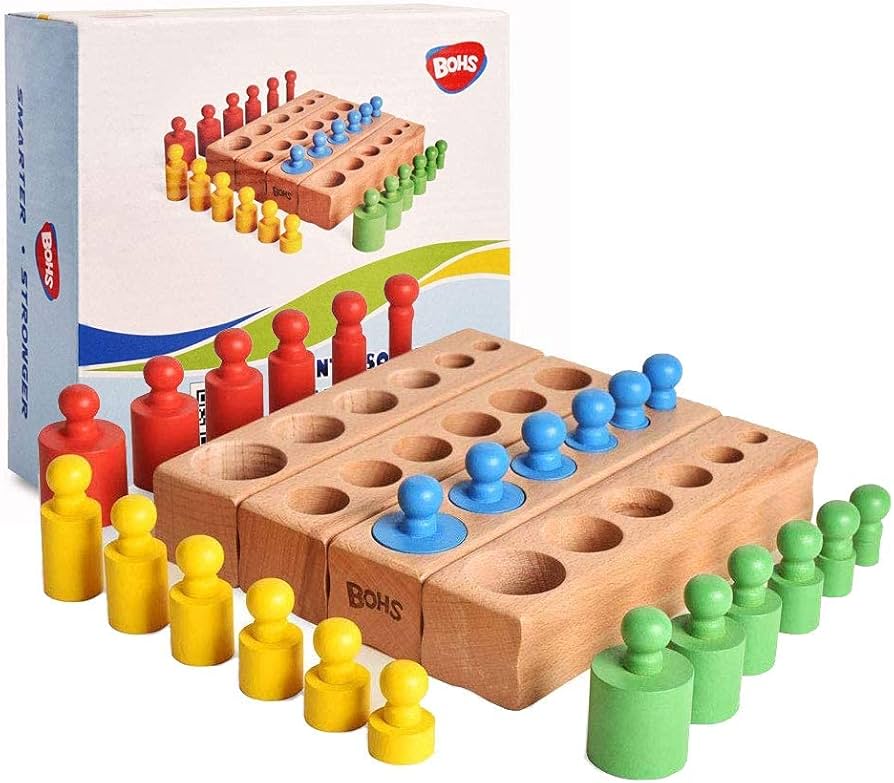
Fine motor toys like a shape sorter and threading beads

Focus & Fine Motor Training Toys

These toys build cognitive skills like sorting, sequencing, and problem-solving while refining hand dexterity.

  • Chunky Wooden Puzzles (6-12 pieces): Manageable for building confidence.
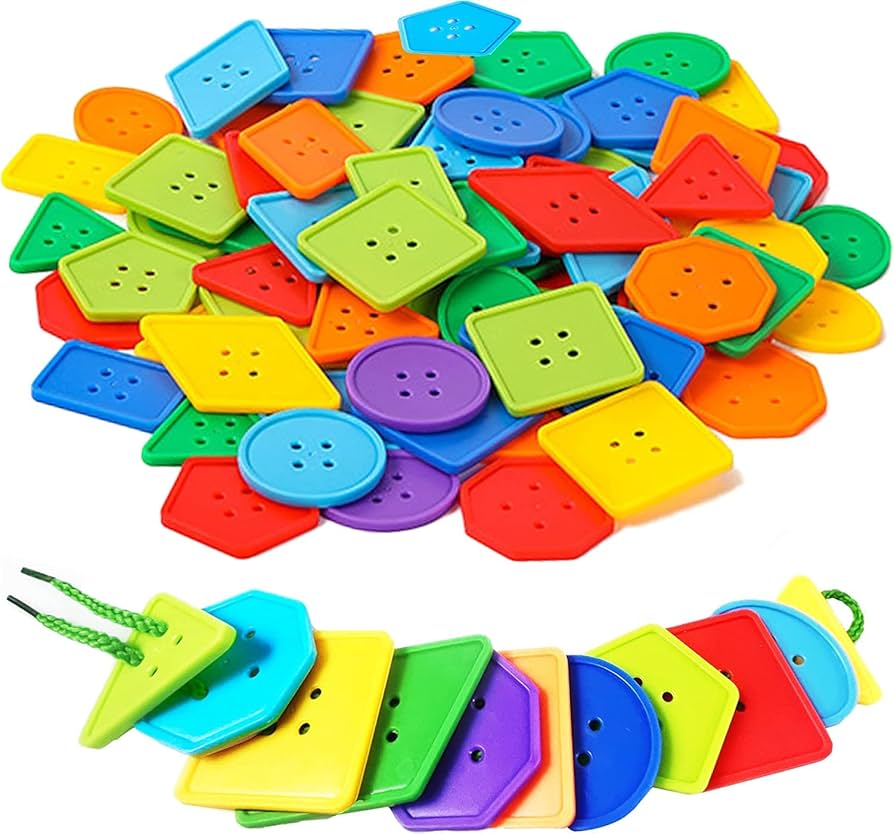
  • Lacing Cards & Large Beads for Threading: Develop pincer grasp and bilateral coordination.
  • Sorting Boxes & Color Matching Games: Introduce early math concepts in a tactile way.

Choosing the Right Sensory Toys: A Parent's Checklist

1

Safety is Paramount

Choose non-toxic, durable materials with no small, detachable parts to prevent choking hazards.

2

Simple & Intuitive Design

Toys should have clear cause-and-effect relationships. Avoid overly complex toys that may cause frustration.

3

Match Sensory Preferences

Observe your child. Do they seek deep pressure or avoid touch? Choose toys that align with their sensory profile.

4

Scalable Difficulty

Opt for toys that can grow with your child, offering new challenges to maintain engagement and build skills.

Effective Strategies for Using Sensory Toys

Create a Sensory Routine

Incorporate sensory play into daily schedules (e.g., after breakfast, before transitions). Consistency helps children feel secure and know what to expect.

Follow Your Child's Lead

Observe closely. If a child turns away, covers ears, or becomes agitated, the toy or activity may be overstimulating. Respect their "no."

Use Toys to Foster Interaction

Model play, then pause and wait. Use simple language: "My turn. Your turn." "Push the button." "More?" This builds communication opportunities.

⚠️ Avoid Sensory Overload

Introduce one new toy at a time. A cluttered, overstimulating play space can be counterproductive. Watch for signs of overwhelm: covering eyes/ears, withdrawal, or increased stimming.

Real-World Example

For example, one 4-year-old child who struggled with transitions between activities was introduced to a 5-minute sensory routine using a wobble board followed by deep-pressure squeezes with a soft therapy pillow. After several weeks of consistent use before transitions, caregivers observed fewer emotional escalations and improved cooperation.

Note: Outcomes vary significantly between children. Strategies should be individualized.

Common Myths About Sensory Toys for Autism

Myth: More Toys = Better Results

Truth: Quality and appropriateness trump quantity. A few well-chosen toys that meet your child's specific needs are far more effective than a room full of random items.

Myth: Stronger Stimulation is Always Better

Truth: For hypersensitive children, intense input can be painful and trigger meltdowns. The goal is "just right" stimulation to organize the nervous system, not overwhelm it.

Myth: One Toy Fits All Autistic Children

Truth: Autism is a spectrum. A toy that is calming for one child may be aversive to another. Individual preference and sensory profile are everything.

Safety & Professional Guidance

Sensory toys are supportive tools, not medical treatments. If your child shows signs of severe sensory distress, regression, self-injury, or significant developmental concerns, consult a licensed pediatrician, developmental specialist, or occupational therapist.

All movement-based equipment (swings, trampolines, balance boards) should be used under direct adult supervision and according to manufacturer safety guidelines.

This article does not diagnose, treat, or cure any medical condition. Always seek professional advice for individualized care.

Conclusion: Toys Are Tools, Love & Understanding Are the Core

Sensory toys are not a replacement for therapy or a "cure," but they are powerful allies in supporting the growth of a 4-year-old with autism. For a young child, play is the primary language of learning. Through appropriate sensory toys, children can explore their world, regulate their emotions, and develop crucial skills in a safe and joyful environment.

"The most important thing is not what toy your child plays with, but whether they feel understood, respected, and patiently supported on their unique journey."

Research Insight

Research suggests that up to 90% of children with autism experience sensory processing differences (Ben-Sasson et al., 2009). Sensory-based strategies are commonly incorporated into occupational therapy plans to support regulation, participation, and daily functioning.

References

  • American Academy of Pediatrics (AAP). (2020). Identification, Evaluation, and Management of Children With Autism Spectrum Disorder.
  • Ben-Sasson, A. et al. (2009). A meta-analysis of sensory modulation symptoms in individuals with autism spectrum disorders.
  • Schaaf, R.C., & Mailloux, Z. (2015). Clinician's Guide for Implementing Ayres Sensory Integration.
  • CDC – Autism Spectrum Disorder Developmental Information.

Recent Guides & Updates