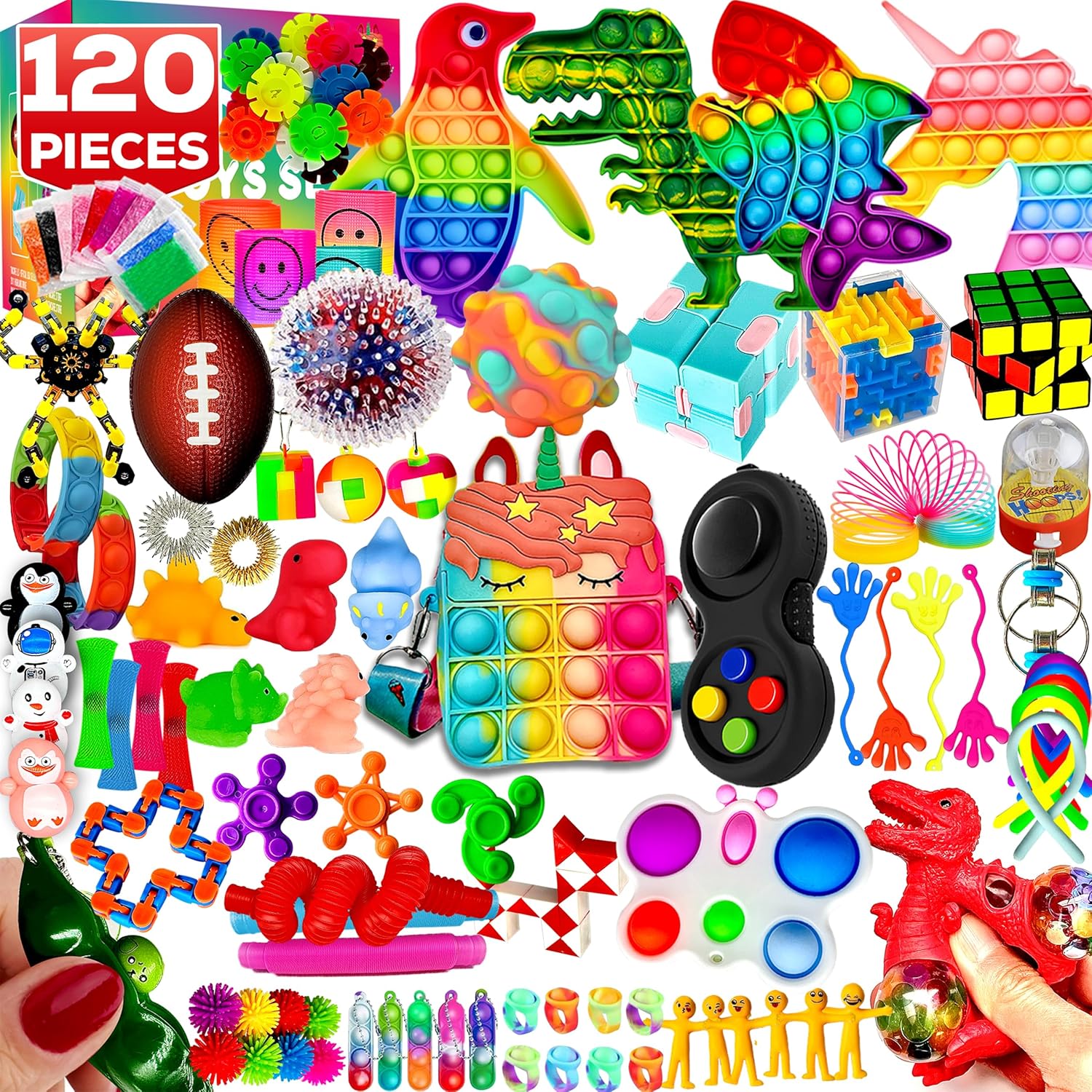
Sensory Toys for Autism: A Complete Guide for Your 3-Year-Old Boy
Discover how carefully chosen sensory toys can help your autistic 3-year-old boy develop essential skills, find calm, and engage in meaningful play through tactile, visual, and proprioceptive stimulation.
Sensory toys for a 3-year-old boy with autism focus on tactile, visual, and calming stimulation to aid in regulation and skill development. These specially designed tools can enhance fine motor skills, reduce stress and anxiety, encourage focused play, and support sensory integration. When chosen thoughtfully, they become powerful aids in your child's daily routine and developmental journey.
Best Sensory Toys for 3-Year-Old Autistic Boys: Top Picks for 2024
Tactile & Fidget Items
Perfect for keeping hands busy and reducing anxiety through tactile input.
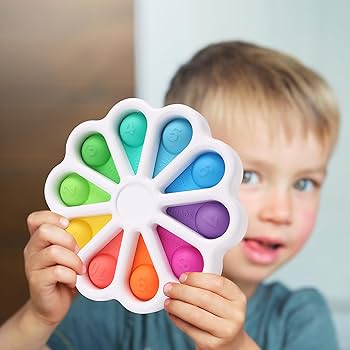
- Pop-it boards
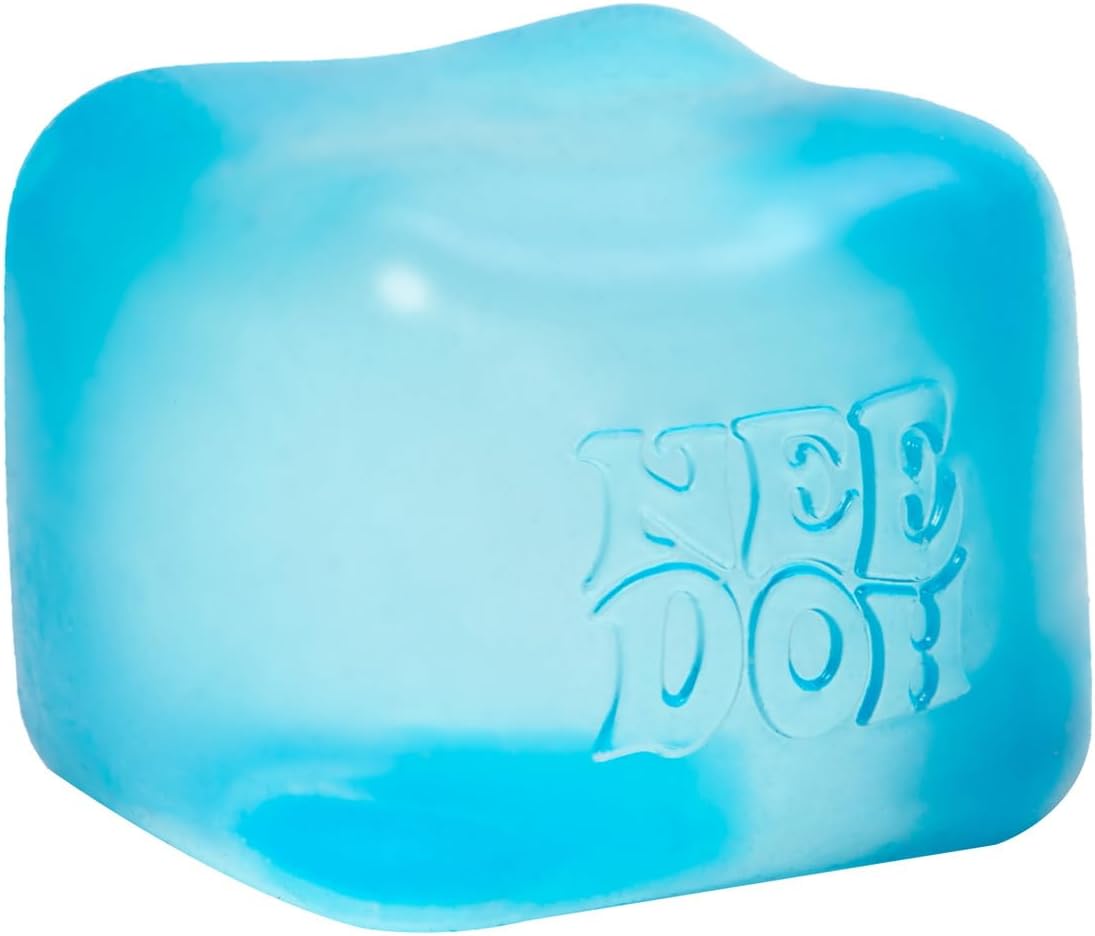
- Silicone squeeze toys
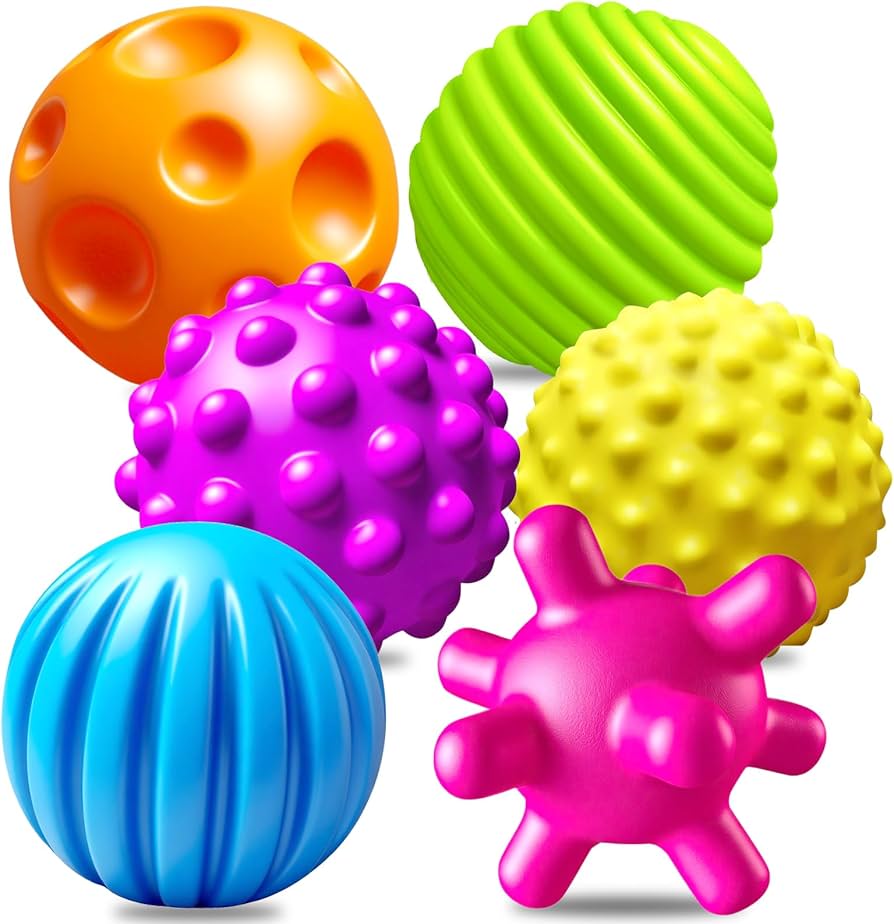
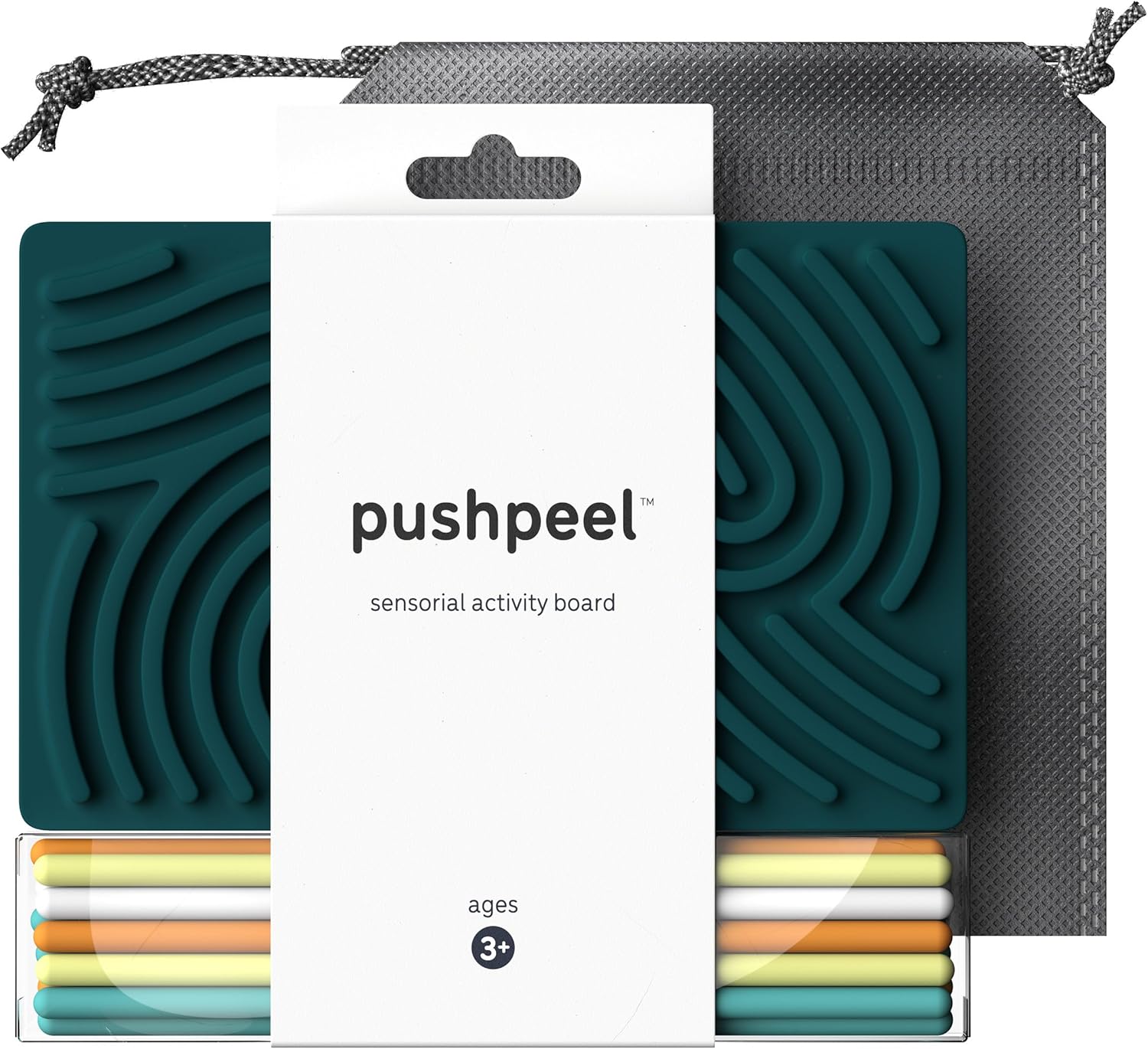
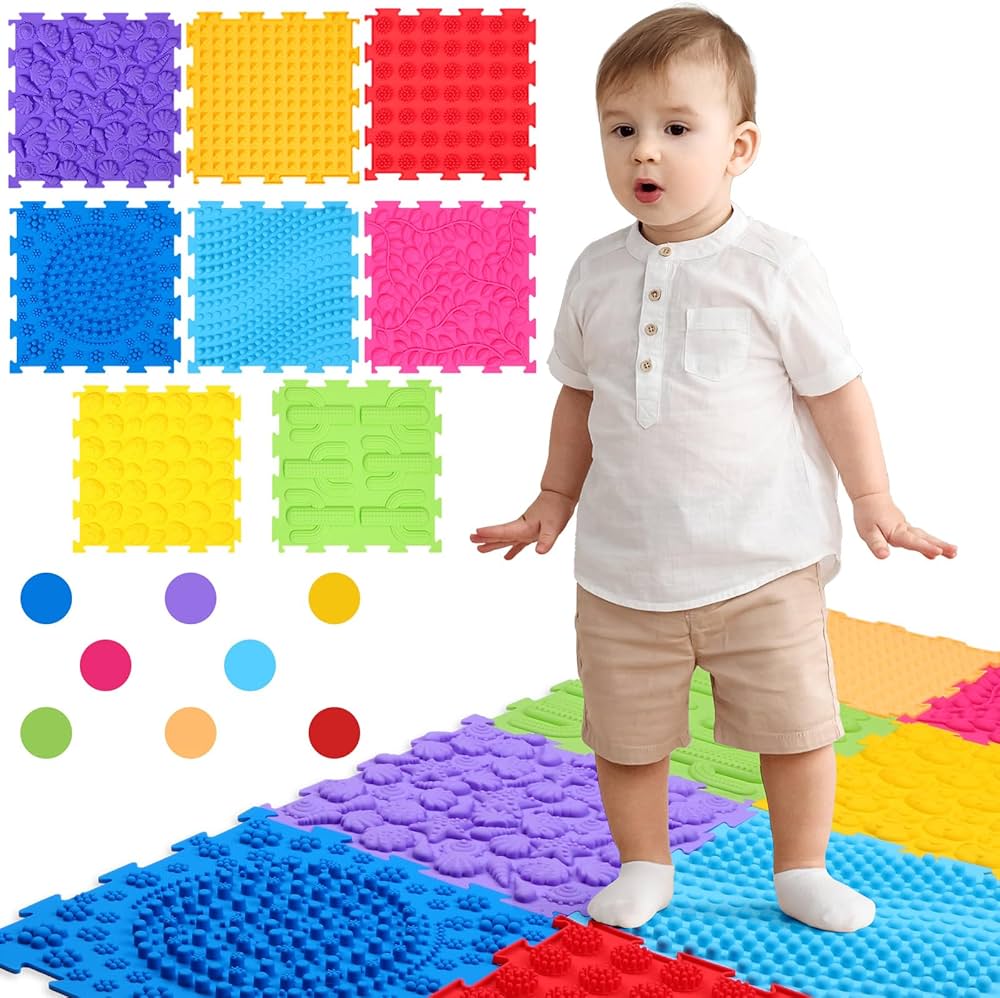
- Textured sensory squares
- Therapy putty
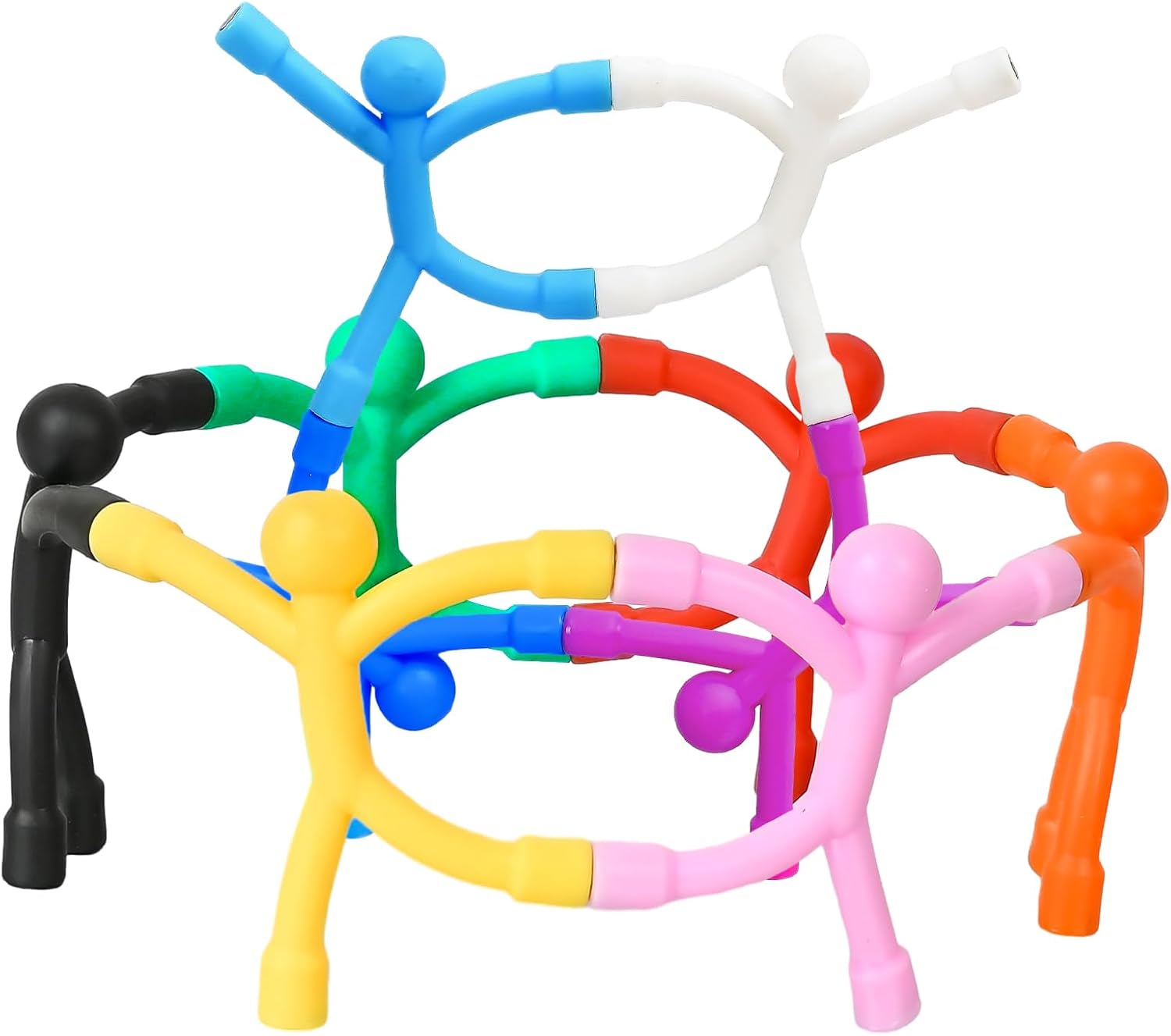
- Fidget tubes

Visual Calming Toys
Mesmerizing items that provide focused visual input and promote calm.
- Liquid motion bubblers
- Glitter sensory wands
- Fiber optic light wands
- Slow-rising light-up balls
- Projector night lights
Weighted & Soft Comfort
Deep pressure stimulation to promote relaxation and emotional regulation.
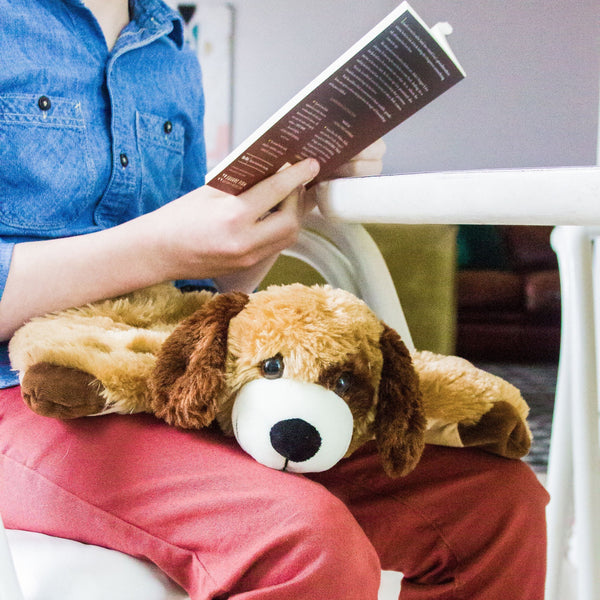
- Weighted lap pads (1-3 lbs)
- Plush weighted octopus toys
- Weighted stuffed animals
- Compression vests
- Weighted blankets (for supervised use)
Sensory Toys for Motor Skills Development in Autistic 3-Year-Olds
Active & Gross Motor Skills
These toys help develop core strength, balance, and body awareness through movement-based sensory input.
- 1 Ride-on horses: Excellent for core strength and vestibular input
- 2 Balance boards: Improve coordination and proprioception
- 3 Sensory body socks: Provide deep pressure and spatial awareness
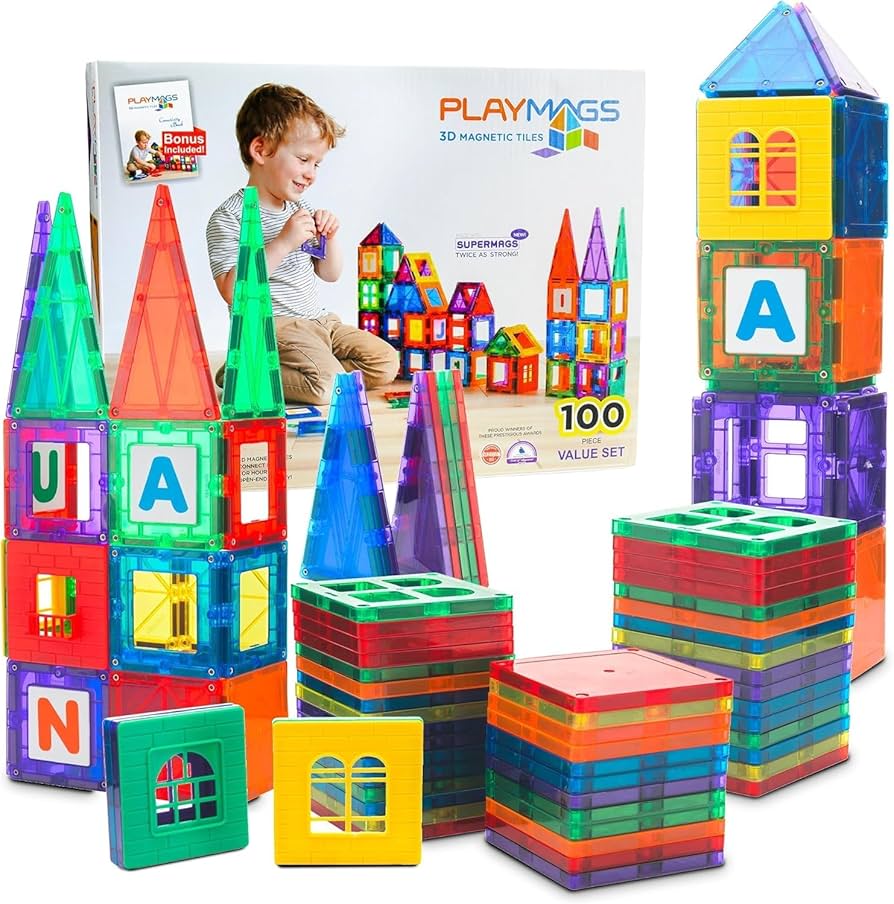
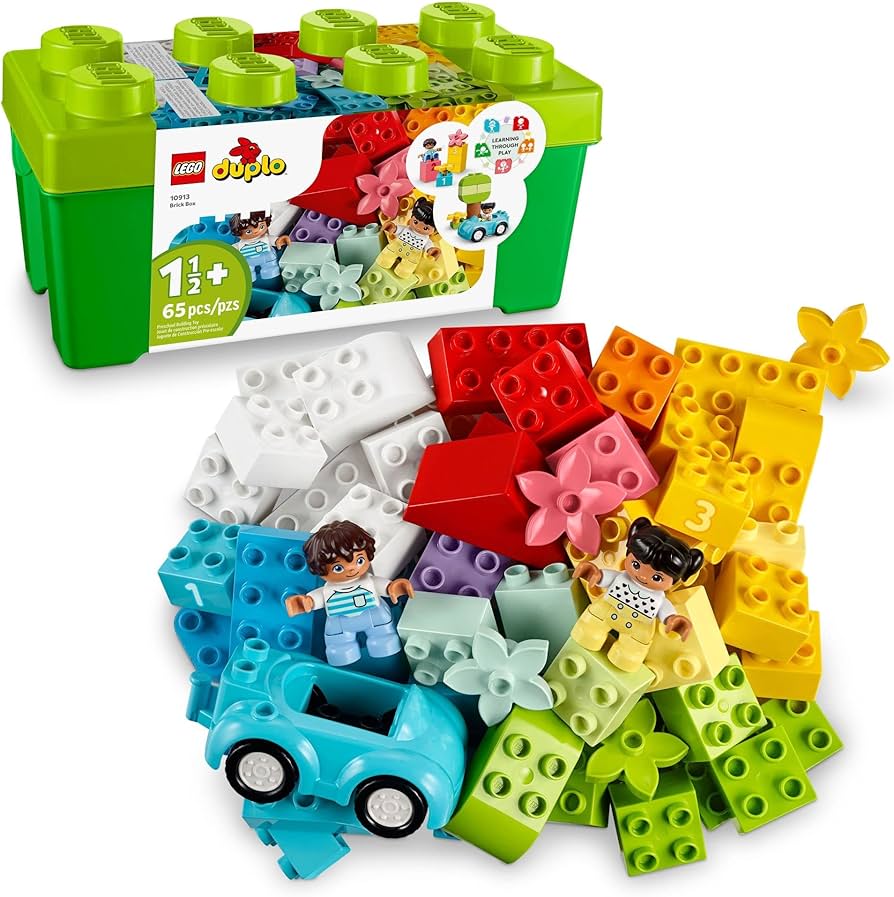
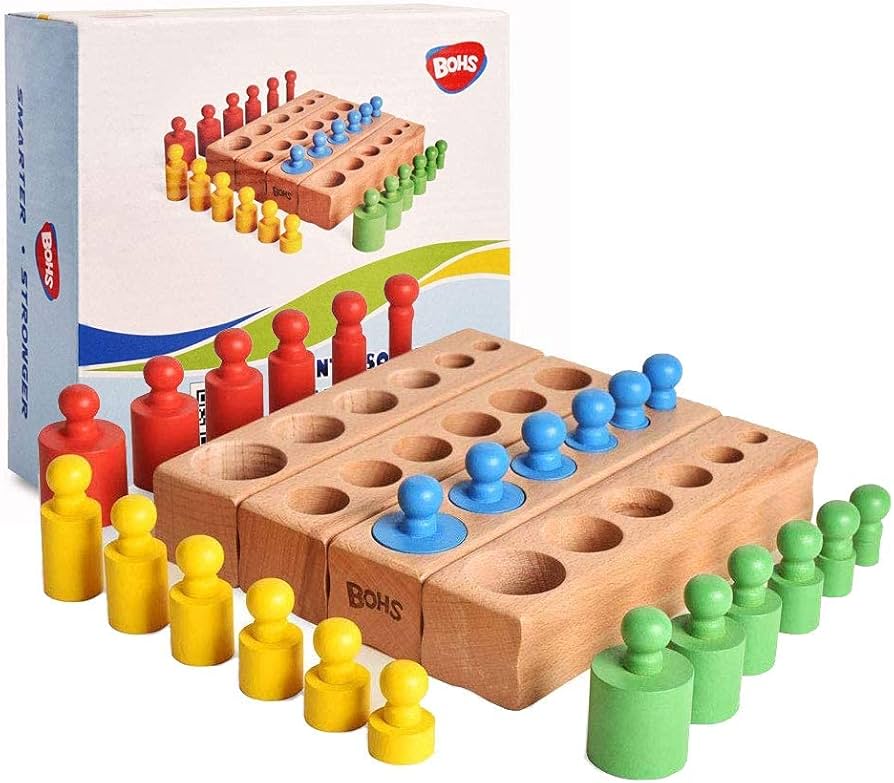
Building & Fine Motor Skills
Enhance hand-eye coordination, grip strength, and problem-solving abilities.
- 1 Magnetic mazes: Develop precision and cause-effect understanding
- 2 Foam building blocks: Safe, lightweight construction play
- 3 Suction cup toys: Great for hand strength and tactile exploration
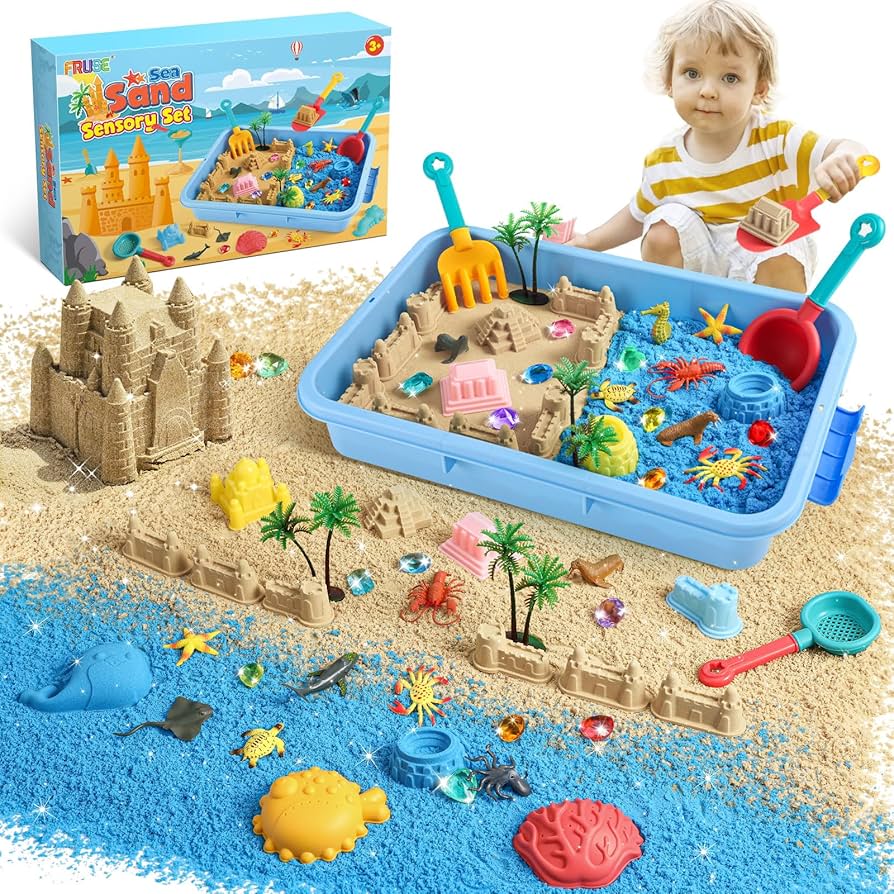
Sensory Play in Action: Therapeutic Activities for 3-Year-Olds
Choosing the Right Sensory Toys: Key Considerations for Your Autistic Child
Sensory Profile Match
Identify whether your child is sensory-seeking or sensory-avoiding. Choose toys that either provide needed input (for seekers) or offer gentle stimulation (for avoiders).
Safety & Durability
Ensure toys are non-toxic, BPA-free, and durable enough to withstand intense sensory exploration. Check for small parts and weight limits for 3-year-olds.
Developmental Value
Select toys that encourage cause-effect understanding, sorting, stacking, or problem-solving while providing sensory input. Multi-sensory toys offer the most benefits.
Expert Tips for Using Sensory Toys with Your 3-Year-Old Autistic Boy
Introduce gradually: Present one new sensory toy at a time to avoid overwhelming your child. Observe his reactions and preferences.
Create a sensory corner: Designate a quiet space with a mat, storage for sensory toys, and calming elements for regulated play.
Follow your child's lead: Allow him to explore toys at his own pace. Some days he may seek intense input, other days he may prefer gentle stimulation.
Combine with routines: Incorporate sensory toys into daily transitions (before/after meals, bedtime) to help with regulation.
Start Your Sensory Journey Today
Remember that every autistic child is unique. What works for one 3-year-old boy may need adjustment for another. Start with 2-3 different types of sensory toys, observe your child's responses, and build from there. Sensory play should be joyful, regulating, and developmentally supportive.