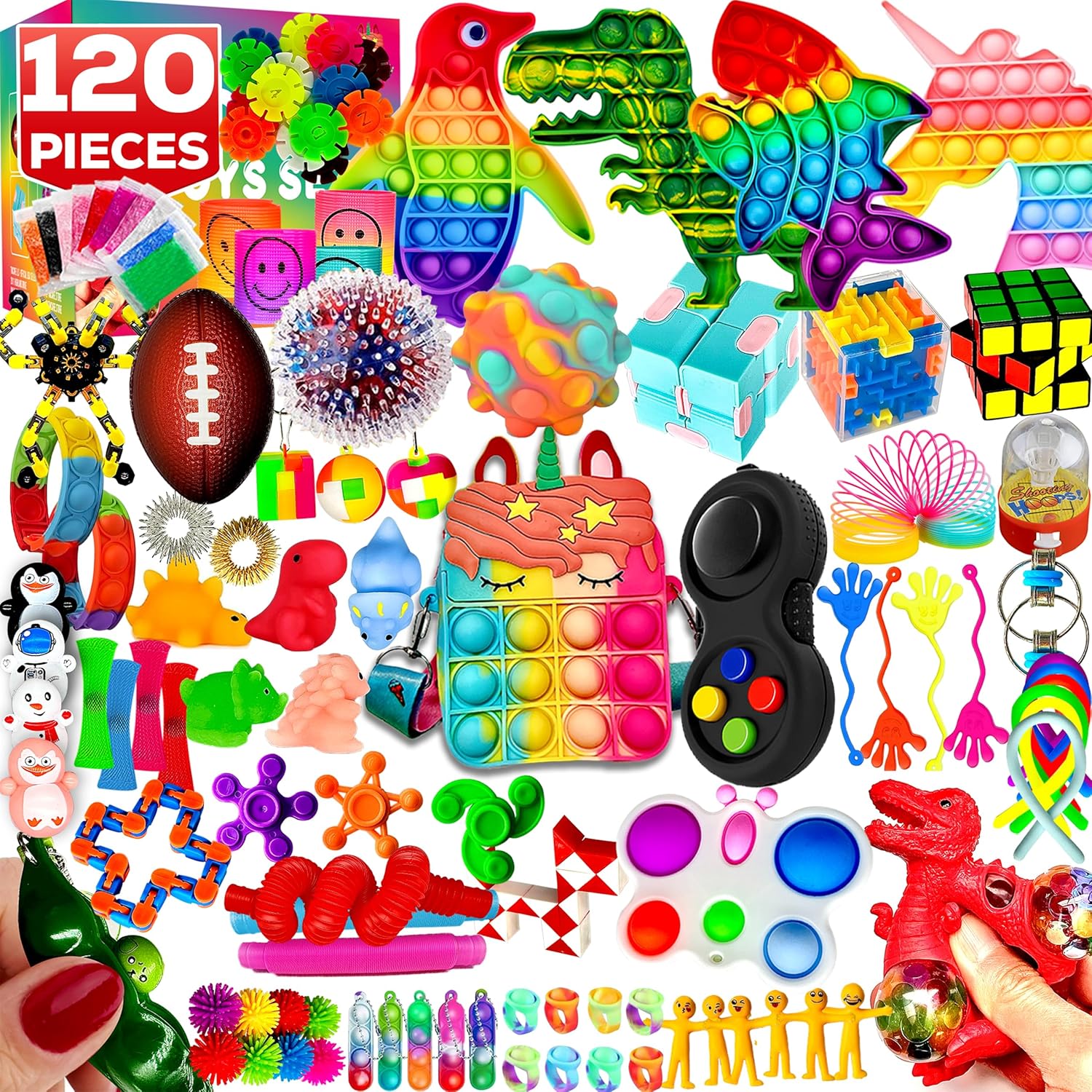
Sensory Toys for Autism: A Guide for Your 3-Year-Old's Development
Discover how the right sensory toys can support emotional regulation, boost attention, and lay the foundation for learning in 3-year-old autistic children.
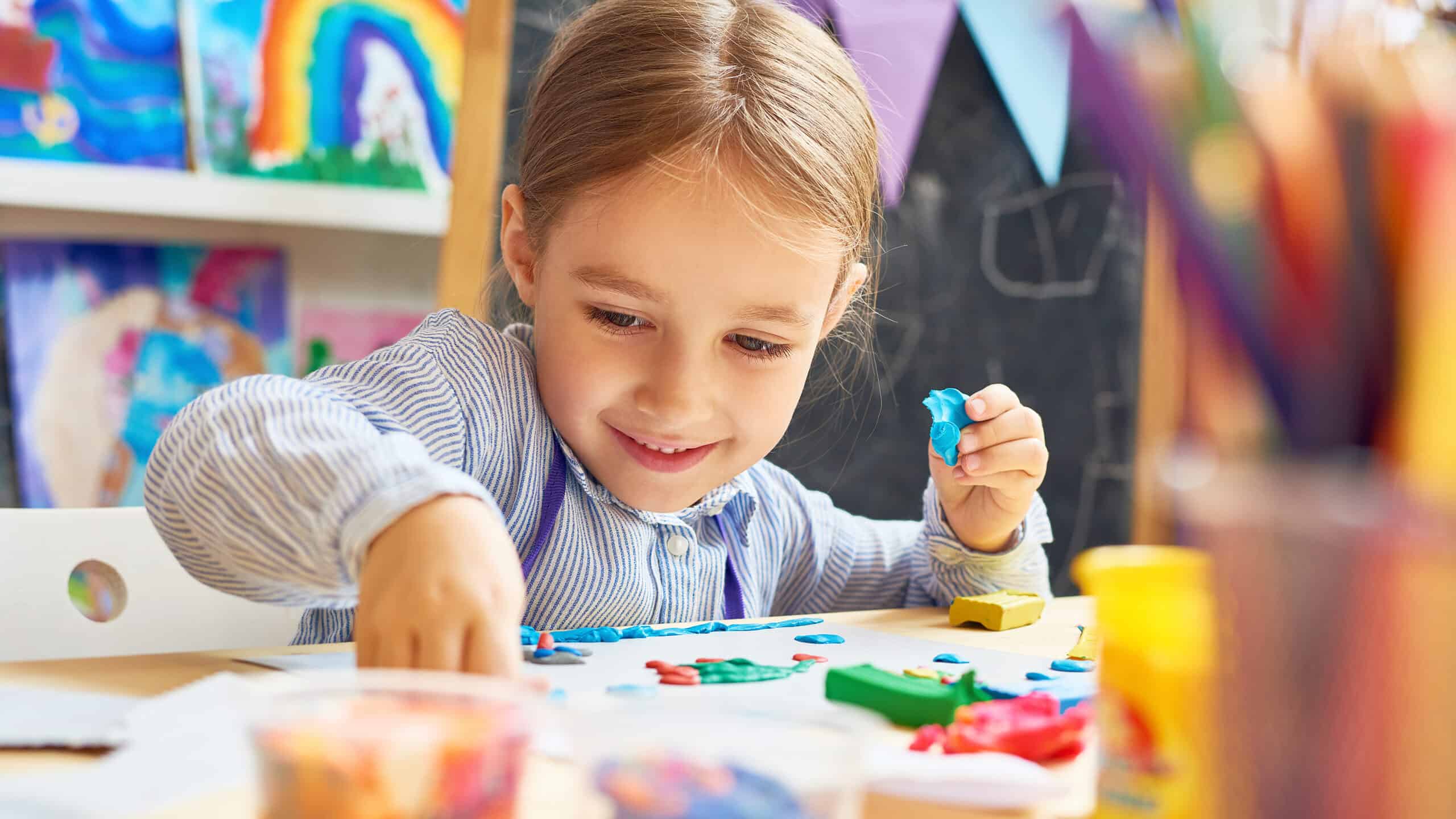
Why Systematic Sensory Support is Crucial for 3-Year-Olds with Autism
Age three is a pivotal stage in child development, marked by rapid growth in language, cognition, and social awareness. While neurotypical children begin to form simple sentences and engage in interactive play, autistic children often face sensory processing challenges that can hinder these milestones.
Key Developmental Milestones at Age 3
- Using short phrases to express needs
- Understanding simple instructions
- Showing interest in others and attempting imitation
- Engaging in basic pretend play
Common Sensory Challenges in Autism
- Over-Responsiveness: Strong reactions to sounds, lights, or touch.
- Under-Responsiveness: Needing intense input to register sensation.
- Sensory Seeking: Repetitive movements like spinning or hand-flapping.
The Role of Sensory Toys
Emotional Regulation
Provides safe, rhythmic input to calm anxiety.
Improved Attention
Structured play extends focus and engagement.
Learning Readiness
Stabilizes the sensory system for better instruction-following.
Developed with Occupational Therapy Principles
This guide is informed by widely accepted frameworks in pediatric occupational therapy and developmental psychology, including Sensory Integration Theory (A. Jean Ayres, PhD) and early childhood intervention practices used by licensed occupational therapists (OTs) and speech-language pathologists (SLPs).
Content reviewed for alignment with recommendations from organizations such as the American Occupational Therapy Association (AOTA) and CDC early development guidelines.
What Are Sensory Toys? A Foundation for Development
Sensory toys are specifically designed to stimulate and support the development of a child's senses. Unlike typical toys focused on entertainment, their core purpose is to help children process sensory information, regulate emotions, and improve focus—making them essential "training tools" for autistic children.
Sensory Systems and Toy Examples
Tactile
Touch & Texture
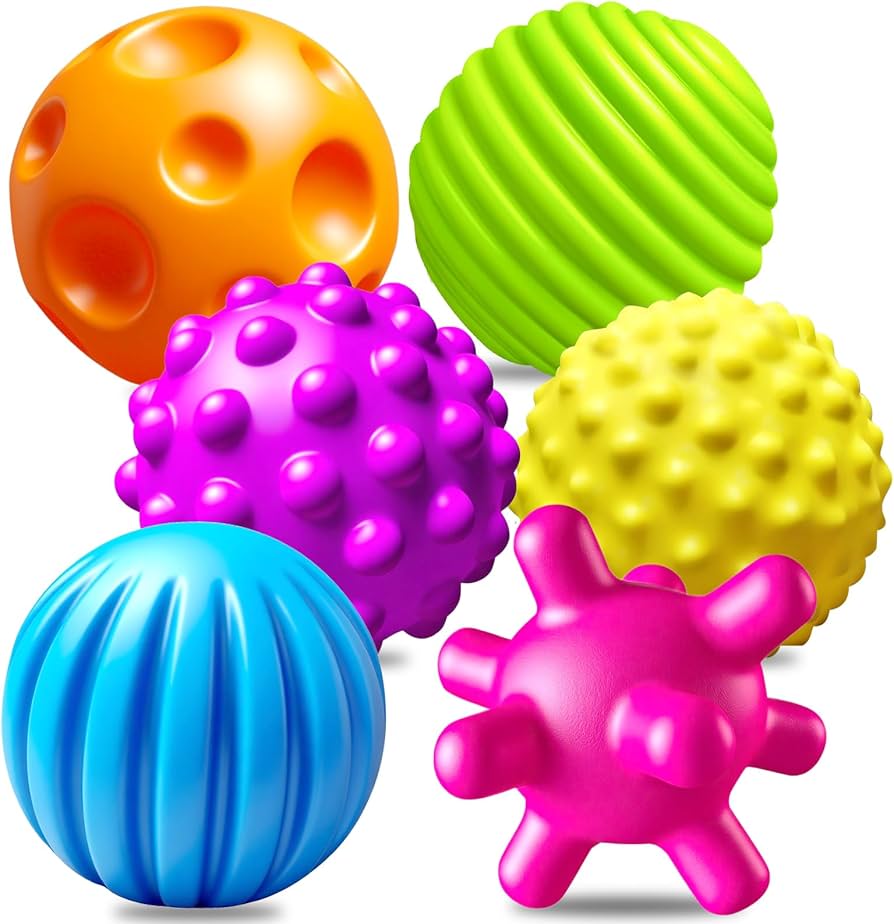
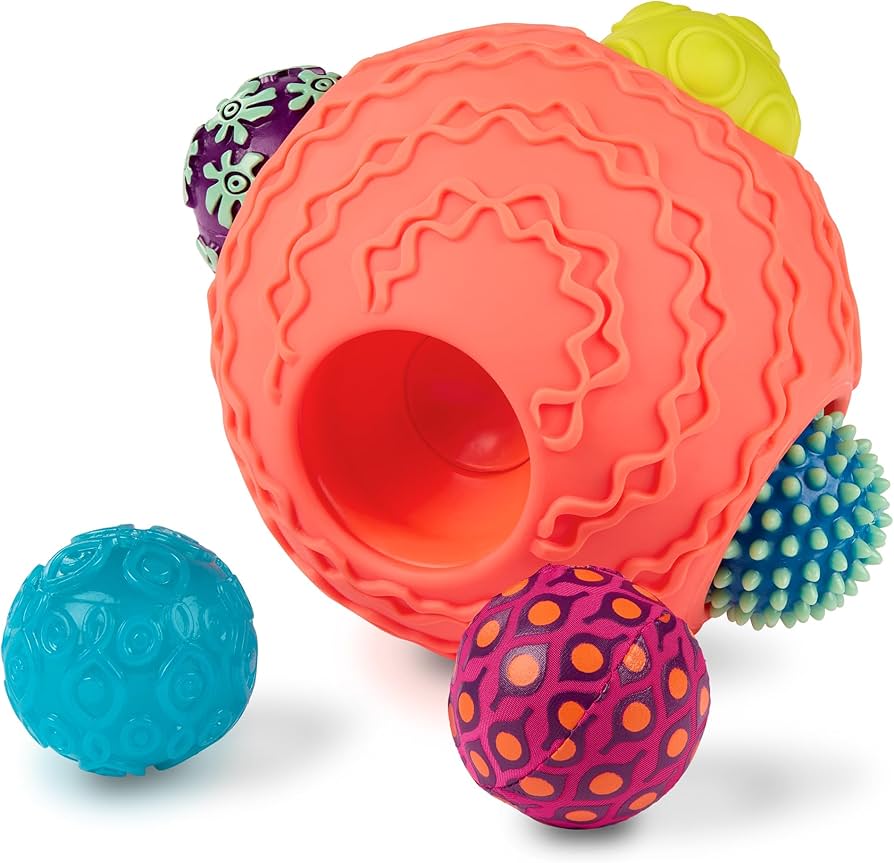
Pop-its, textured balls, sensory bins
Visual
Sight & Tracking
Liquid timers, light projectors, high-contrast mobiles
Auditory
Sound & Rhythm
Soft-sound shakers, gentle music boxes, sound puzzles
Proprioceptive/Vestibular
Movement & Balance
Balance boards, rocking horses, weighted blankets
Sensory Toys vs. Regular Toys
| Aspect | Regular Toys | Sensory Toys |
|---|---|---|
| Primary Goal | Entertainment, fun | Sensory regulation, developmental support |
| Stimulation | Random, varied | Targeted, controllable |
| Usage | Free play | Guided, therapeutic play |
| Value for Autistic Child | May be overstimulating | Safe, calming, skill-building |
How to Choose Sensory Toys for Your 3-Year-Old: 5 Core Principles
Safety & Durability
Choose non-toxic, sturdy materials with no small parts. Must withstand chewing, throwing, and frequent washing.
Moderate Stimulation
Avoid sensory overload. Opt for toys with soft sounds, steady lights, and clear but not chaotic colors.
Promotes Interaction
Toys should encourage turn-taking, imitation, and simple language use, acting as a bridge to social engagement.
Clear, Guided Play
Look for toys with intuitive steps (matching, sorting) that offer success experiences and room for guided learning.
Respect Individuality
Observe your child's preferences. There's no one-size-fits-all toy. Adapt choices based on their unique sensory profile.
Watch: Understanding Sensory Preferences
Top Sensory Toys for 3-Year-Old Autistic Children: A Category Guide
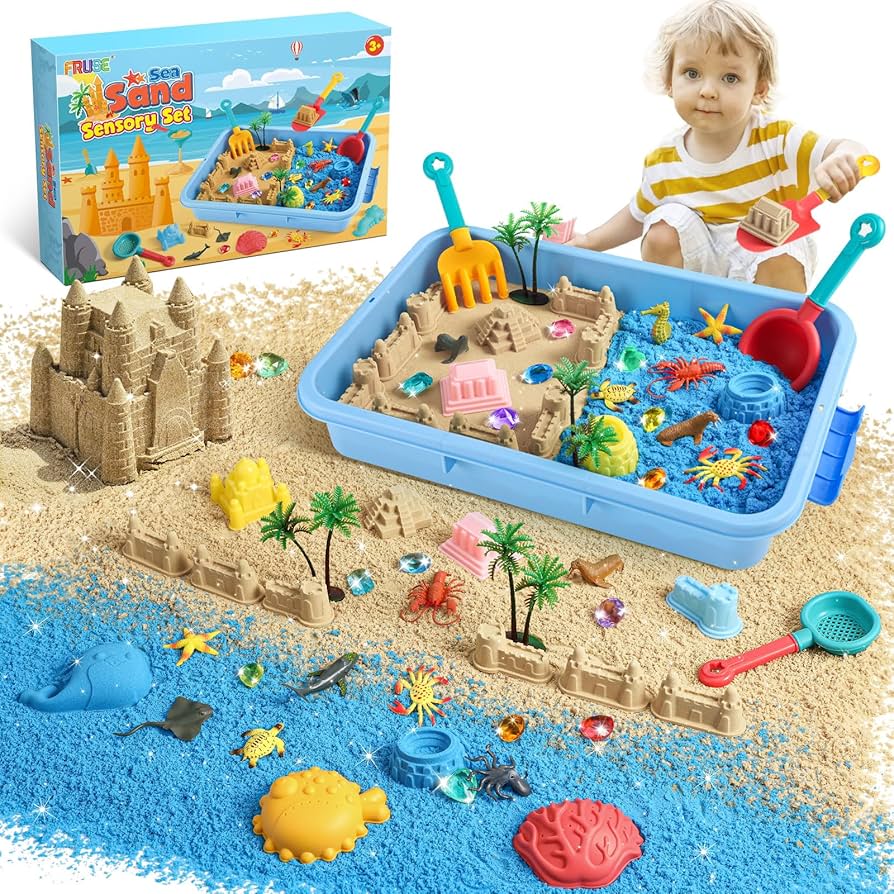
Hands-On Exploration Toys
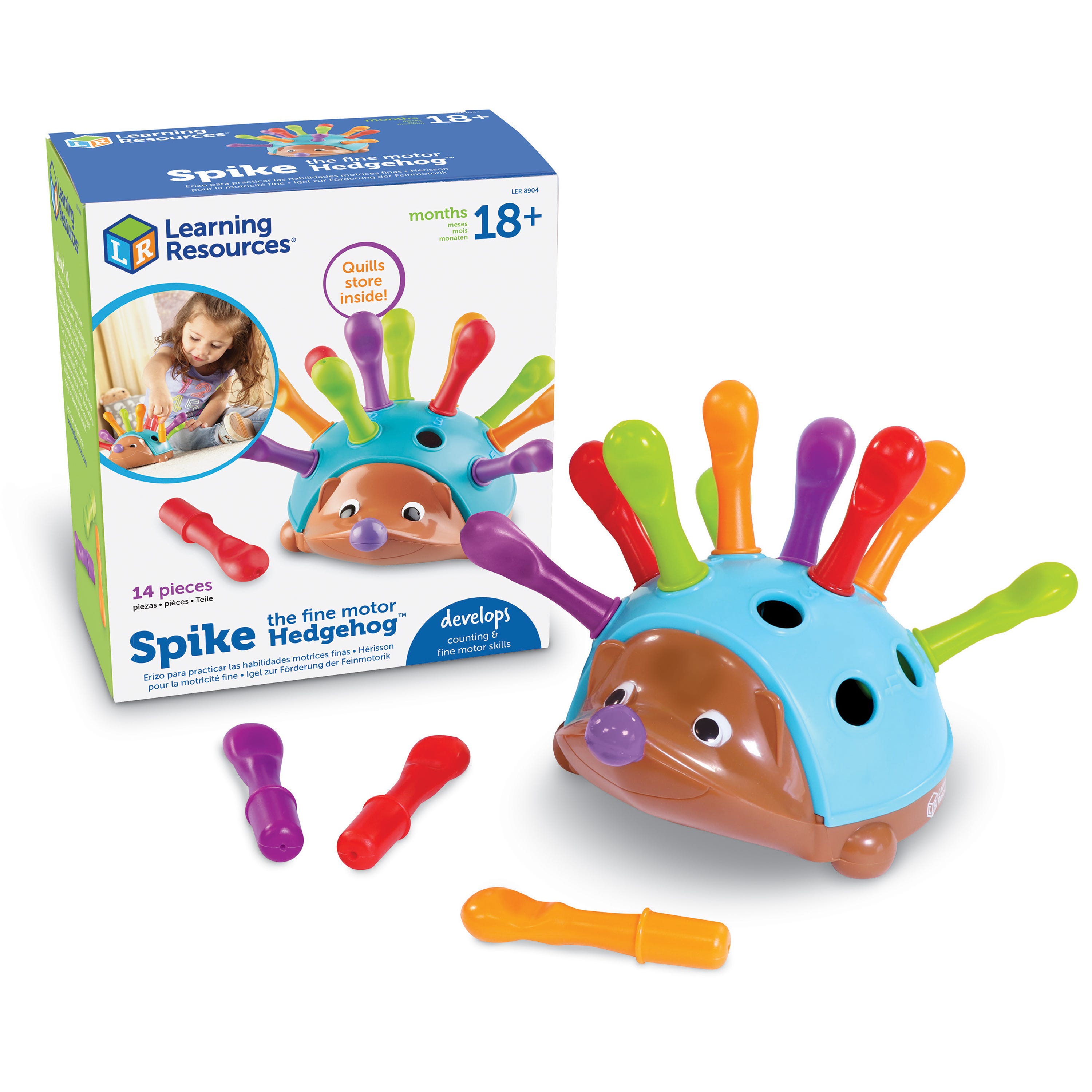
These toys provide rich tactile input and develop hand strength and coordination.
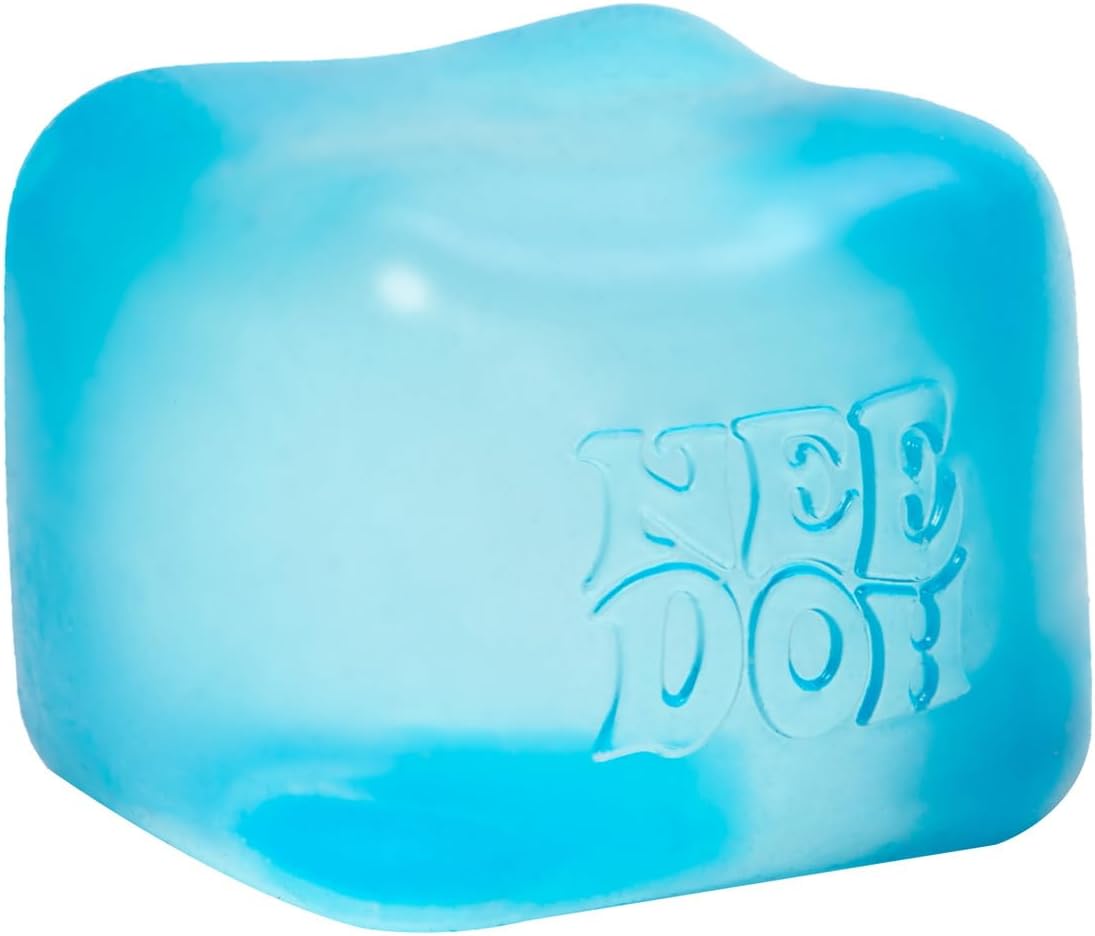
- Examples: Playdough kits, sensory bins with rice/beans, lacing beads, squishy fidget toys.
- Best for: Children who seek touch input or need fine motor practice.
- Develops: Finger control, hand-eye coordination, calm focus.
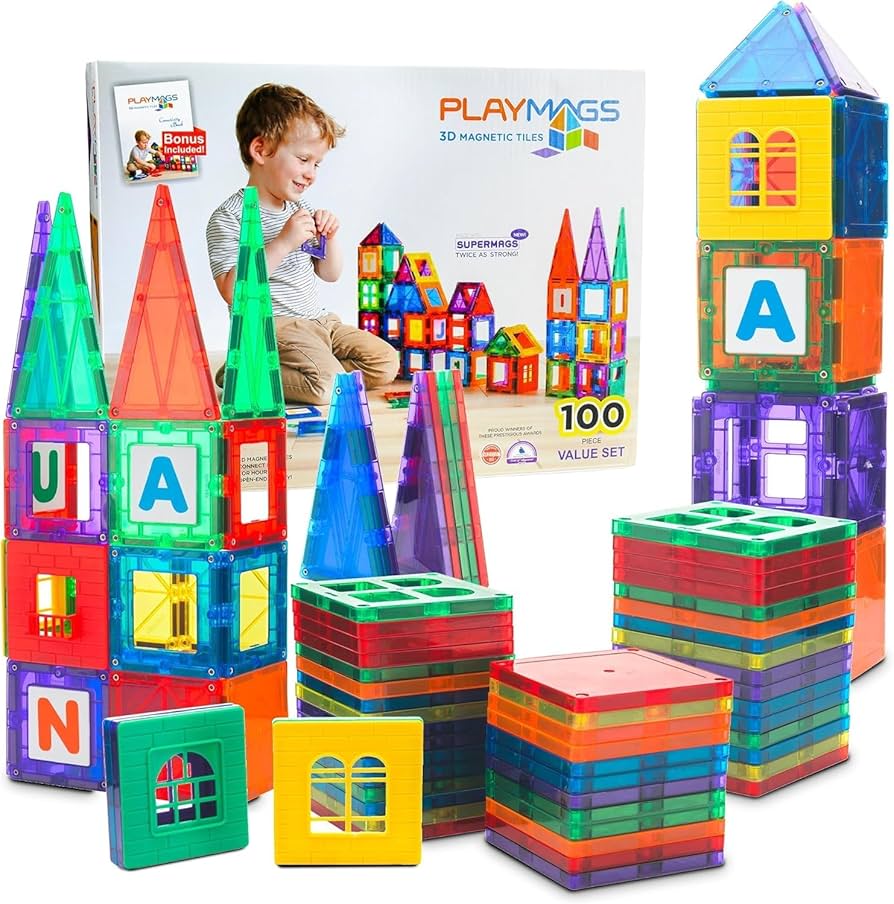
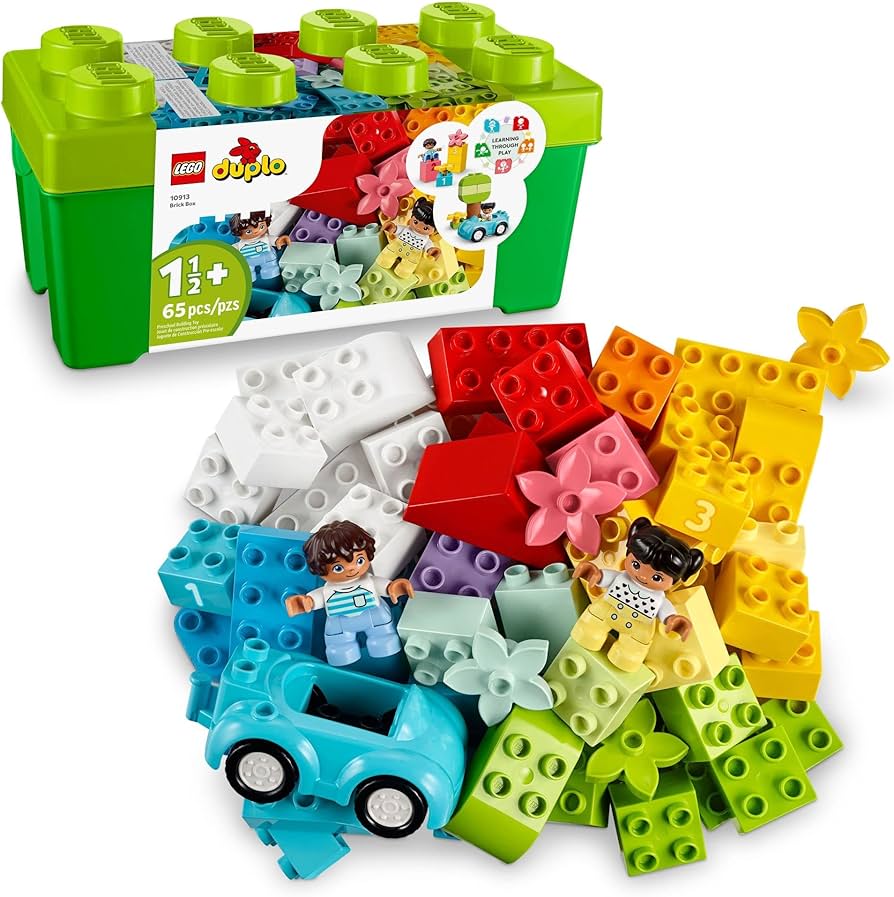
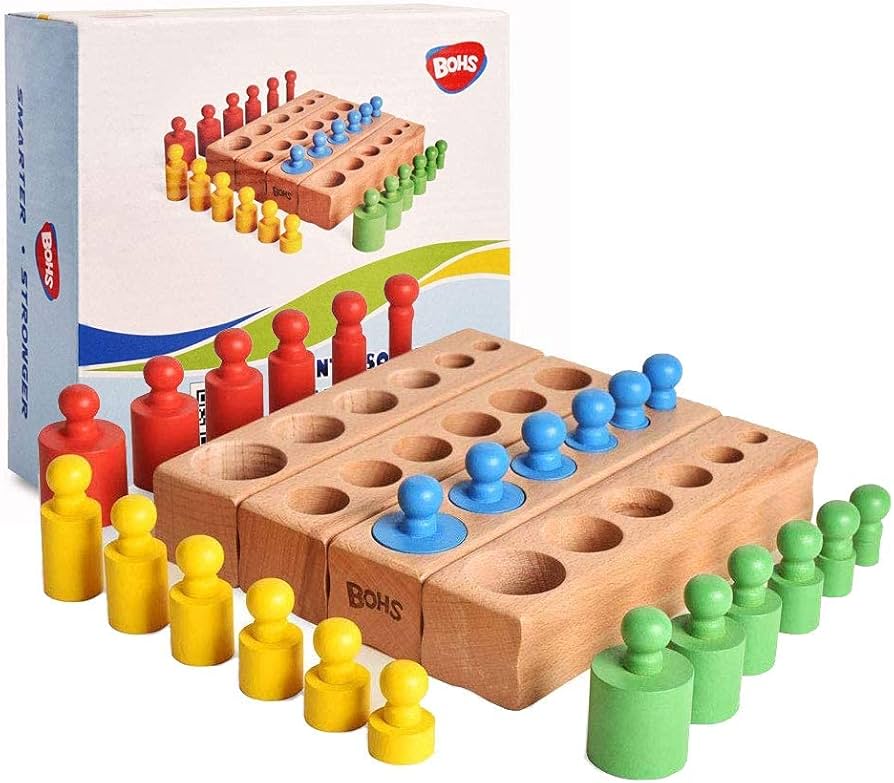
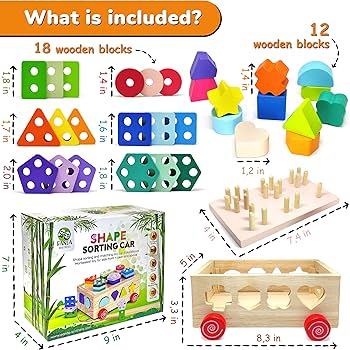
Seeing & Thinking Toys
Stimulate visual tracking and build early cognitive skills like sorting and matching.
- Examples: Shape sorters, simple 4-6 piece puzzles, color-matching games, marble runs.
- Best for: Visually-oriented children or those needing help with attention.
- Develops: Visual processing, problem-solving, concentration.
Sound & Speech Builders
Connect sounds to meaning and encourage vocal imitation and language development.
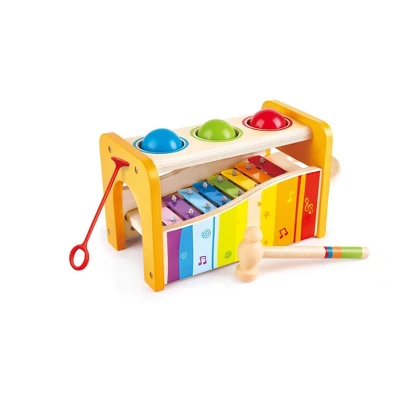
- Examples: Sound puzzles, simple musical instruments (xylophone, drum), talking picture books.
- Best for: Children with auditory interests or delayed speech.
- Develops: Sound discrimination, imitation skills, vocabulary.

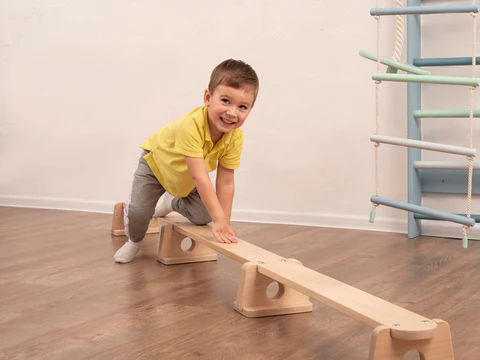
Body Movement & Regulation Toys
Through physical movement, these toys provide deep sensory input that helps regulate emotions and behavior.
- Examples: Balance beams, balance boards, soft climbing mats, crawling tunnels, push-pull toys, ride-on toys.
- Best for: Hyperactive children who can't sit still, or children who get easily excited or have difficulty calming down.
- Develops: Body control and coordination, provides safe "energy release", helps children enter a focused state more easily after exercise.
Cause & Effect & Problem Solving Toys
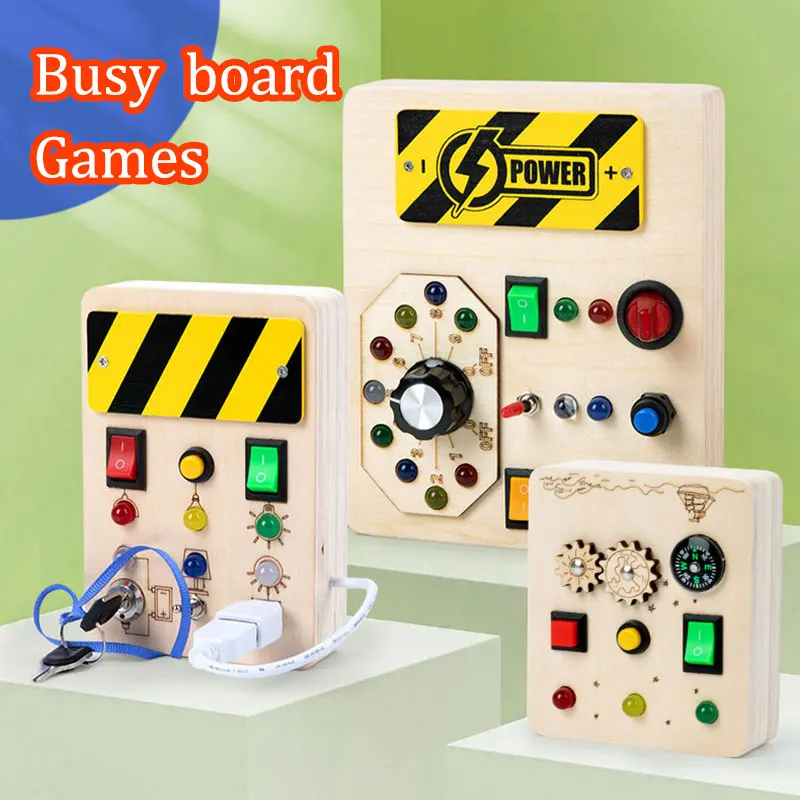
These toys help children understand "what I do → what happens," which forms the foundation of cognition and logical thinking.
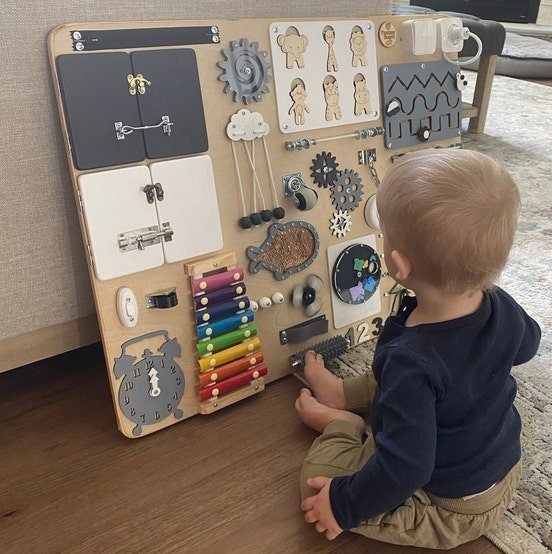
- Examples: Switch boards, gear boards, mechanical panels, logic boxes, multi-functional activity boxes.
- Best for: Children who enjoy repetitive operations and exploring mechanisms, or children with some focus ability willing to try new play methods.
- Develops: Cause-and-effect cognitive abilities, enhances problem-solving skills, cultivates sustained focus and thinking capacity.
Real-Life Example: How Sensory Toys Support Daily Routines
Case Snapshot: Leo, a 3-year-old autistic child, struggled with transitions and frequent meltdowns before bedtime.
- Before bath time, he used a weighted lap pad for 10 minutes.
- Then played with a tactile sensory bin (beans + scoops).
- Parents narrated actions: “Scoop… pour… stop.”
After 2 weeks, Leo showed fewer meltdowns, longer focus, and more eye contact during routines.
*Example adapted from common occupational therapy home program structures.*
Maximizing Benefits: How to Use Sensory Toys at Home
1. Scheduled Play Time
Establish a consistent 10-20 minute daily session in a calm environment. Routine helps predictability.
2. Language Integration
Narrate actions ("Squeeze the ball!"). Use simple questions to encourage communication.
3. Interactive Play
Join in! Take turns, model actions, and use play to build connection and social skills.
Key Takeaway for Parents
Sensory toys are most effective when used as part of a structured, interactive, and language-rich play routine. They are tools to connect with your child and support their unique developmental journey.
Quick Sensory Preference Checklist
- ☐ Prefers soft textures
- ☐ Avoids loud sounds
- ☐ Seeks movement (jumping, spinning)
- ☐ Enjoys visual patterns/lights
- ☐ Calms with deep pressure
Common Mistakes When Choosing Sensory Toys for Autism
More Toys = Better
Overwhelming choices can be counterproductive. Start with 2-3 types.
Louder & Brighter is Best
Intense stimuli often cause overload, not engagement.
One Toy Fits All
Every child's sensory needs are unique. Personalization is key.
Is the Toy Working? 3 Signs It's a Good Fit for Your Child
1 Self-Initiated Play
Your child independently reaches for the toy and engages with it repeatedly.
2 Extended Focus
The toy helps them maintain attention longer than with other activities, reducing aimless wandering.
3 Increased Interaction
You notice more eye contact, shared enjoyment, or attempts to communicate during or after play.
Sensory Toys + Your Loving Presence = The Ultimate Support System
For your 3-year-old autistic child, the right sensory toys are powerful tools. But remember, they are tools, not replacements for your engaged presence. The magic happens when these toys become a medium for connection, understanding, and guided growth.
Observe, adapt, and play alongside your child. You are their best guide on this sensory journey.
Medical & Educational Disclaimer: This content is for educational purposes only and does not replace professional diagnosis or therapy. Always consult a licensed occupational therapist, pediatrician, or developmental specialist for individualized guidance.
Last updated:
References & Professional Resources
- Ayres, A. J. – Sensory Integration and the Child
- American Occupational Therapy Association (AOTA): aota.org
- CDC Developmental Milestones: cdc.gov/ncbddd/actearly
- Zero to Three – Early Childhood Development: zerotothree.org